







By Ben Musanje
The Inter-Religious Council of Uganda (IRCU) has disclosed that it previously engaged herbalist David Ssenfuka over his research into herbal medicines for diabetes and cancer before recommending his work for further attention, following testimonies from individuals who reported benefiting from his interventions, including the Council’s Secretary General, Joshua Kitakule.
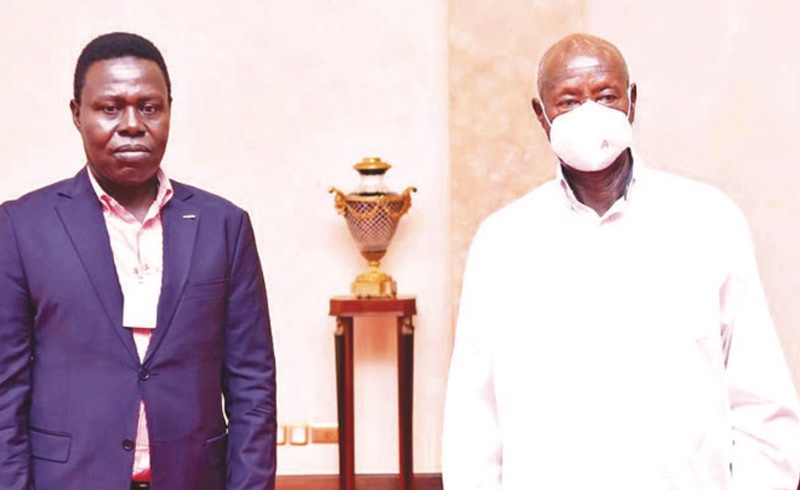
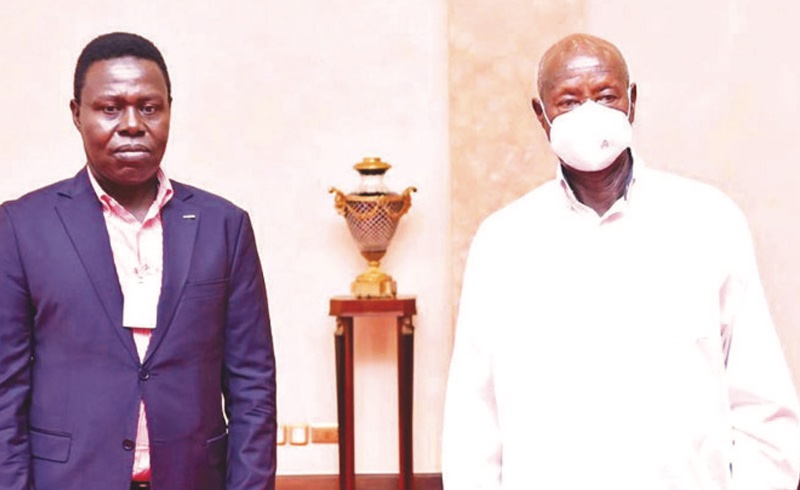
The revelation comes after the IRCU Council of Presidents met President Yoweri Museveni on June 30, 2026, and later participated in a side meeting with Ssenfuka, where the herbalist presented his research journey, development of herbal formulations and his vision of making affordable treatment options available to Ugandans and the wider African continent.
In a statement issued on Wednesday, the IRCU said it had taken note of testimonies from people who reported positive experiences with Ssenfuka’s herbal interventions, including Kitakule, who serves as the Council’s Secretary General.
The Council said it had first interacted with Ssenfuka about seven years ago through Bishop Joshua Lwere, a member of the IRCU Council of Presidents, and made recommendations regarding his research work.

The IRCU said it was encouraged by the progress made in Ssenfuka’s efforts and believed Uganda should create an environment that supports and protects local innovation, especially in areas involving indigenous medical knowledge.

The religious leaders said Uganda possesses abundant medicinal plants, skilled researchers and indigenous knowledge that, if subjected to proper scientific research and development, could make a significant contribution to healthcare delivery, economic growth and scientific advancement.
The Council commended President Museveni for supporting indigenous research and innovation and for creating an opportunity for innovators such as Ssenfuka to interact with relevant government institutions.
According to the IRCU, strengthening research programmes in herbal medicine would help build public confidence in local remedies, noting that uncertainty about the effectiveness and safety of some herbal products has contributed to public scepticism.

The Council argued that investment in credible scientific research could enable Uganda to unlock the potential of its indigenous knowledge, reduce dependence on imported pharmaceutical products and position the country as a contributor to global medical innovation.
It said supporting genuine herbal research could also improve access to affordable healthcare for Ugandans while creating opportunities for the growth of local pharmaceutical innovation.
However, the IRCU cautioned the public against misinformation, speculation and premature conclusions regarding herbal products while scientific and regulatory processes are still ongoing.
The Council stressed that herbal medicines must undergo appropriate scientific evaluation and regulatory approval to establish their safety, effectiveness and reliability before being widely promoted for public use.
At the same time, the religious leaders urged government to strengthen regulation of the herbal medicine sector to eliminate fraudulent practitioners who exploit vulnerable patients seeking treatment.
The IRCU said proper regulation would ensure that genuine herbal practitioners are protected while members of the public are safeguarded from individuals who use unverified claims to make financial gains.
The Council said Uganda’s growing interest in herbal medicine should be matched with stronger research systems, scientific oversight and accountability to ensure that indigenous remedies contribute positively to national healthcare.
The religious leaders also noted that faith, science and innovation should work together in improving human wellbeing.
They said collaboration between scientists, healthcare professionals, policymakers and regulators was necessary to develop safe, effective and affordable solutions to health challenges facing the country.
The IRCU further maintained that indigenous medical knowledge should neither be dismissed without investigation nor promoted without evidence, but should instead be subjected to rigorous research to establish its potential contribution to modern healthcare.
The statement was issued by Kitakule, the IRCU Secretary General, who said the organization remained committed to promoting life, supporting responsible innovation, encouraging scientific excellence and safeguarding the health and dignity of every Ugandan.
The Council reaffirmed its commitment to working with government and other stakeholders to promote responsible medical research and ensure that innovations that benefit society are developed through proper scientific and regulatory channels.