




By Guest Writer
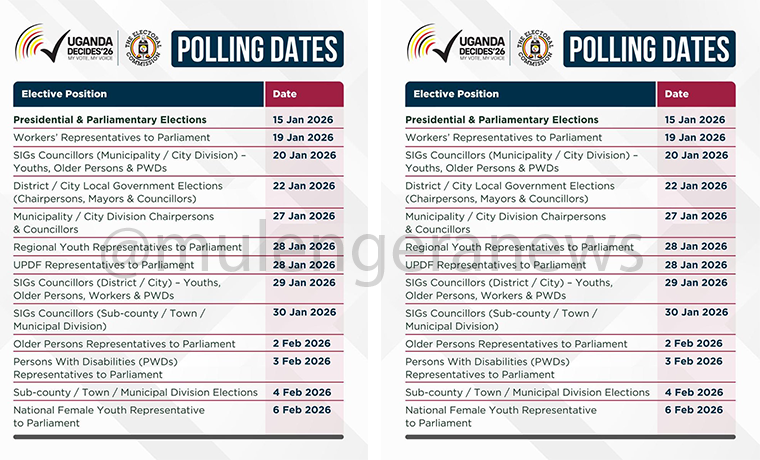
Next week’s elections in Uganda will take place in an environment marked by widespread repression and intimidation against the political opposition, human rights defenders, journalists and those with dissenting views, says a report from the UN Human Rights Office. The report is titled-‘Uganda: Repression and impunity impacting right to participation in leadup to elections.’
The report highlights how the authorities have used a series of laws enacted or amended since the last election in 2021, entrenching repression and impunity, particularly against the opposition, and restricting the rights to freedom of expression, association and peaceful assembly ahead of the 15 January polls.
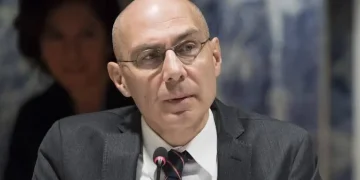
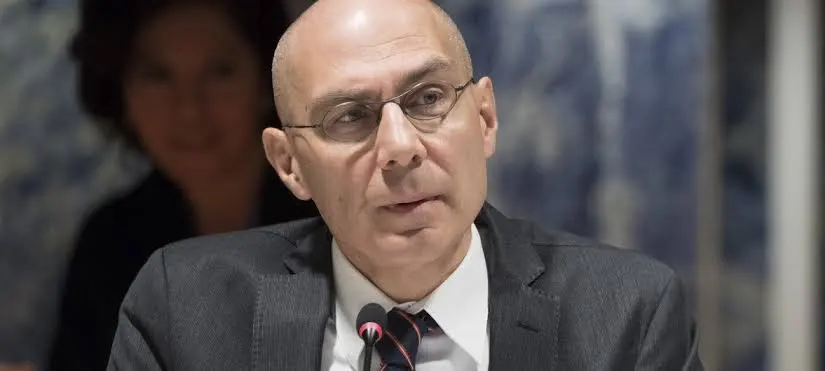
The UN High Commissioner for Human Rights Volker Türk, has accordingly called on the Ugandan authorities to uphold the rights of all Ugandans to take part in the public affairs of their country.
“The Ugandan authorities must ensure all Ugandans can participate fully and safely in the election, as is their right under international law,” said Türk. “They must, among others, ensure that no unnecessary or disproportionate force, including lethal force, is used to disperse peaceful protests.”

Under international human rights law, firearms must only be used as a measure of last resort to prevent imminent death or serious injury.
The UN Human Rights Office report details how the Ugandan authorities have used legislation, including the Computer Misuse (Amendment) Act of 2022, the Non-Governmental Organizations (Amendment) Act of 2024 and the Uganda People’s Defense Forces (Amendment) Act of 2025, to silence those with dissenting views. The laws have been used to arrest and detain opposition leaders and activists, raid the premises of political opposition parties and confiscate their property, as well as to suspend radio stations, arrest bloggers, and tighten control over NGOs.
The report states that “undue restrictions have been imposed on opposition parties, particularly the National Unity Platform (NUP), through various means, including roadblocks, raids, seizure or blocking of access to party headquarters/offices, forced confinement at residences, and forced dispersal” of their gatherings.
Leading opposition figure Kizza Besigye remains in detention on what the UN calls questionable treason charges since he was abducted in neighboring Kenya in November 2024. He and his associate Obeid Lutale have been repeatedly denied bail on unclear grounds. The recent arrest of renowned human rights defender Sarah Bireete, as well as the Government’s recent directive imposing a blanket ban on live broadcasting of “riots” and “unlawful processions” are the latest in a series of concerning developments, according to the UN.
The report says security forces, including police, the military and the Joint Anti-Terrorism Task Force, have unlawfully used firearms and live ammunition to disperse peaceful assemblies in the lead up to the elections, and to carry out arbitrary arrests and prolonged pre-trial detentions, particularly targeting the political opposition. It says that security forces have often used unmarked vans – commonly known as “drones” – to abduct opposition party members and supporters, and held them in incommunicado detention at unauthorized sites known as “safe houses”.
“Such tactics – grounded in vague or obscure legal justifications – have also disproportionately restricted the freedom of movement of opposition party leaders and supporters, hindering their ability to travel across the country for political rallies and mobilization efforts,” says the report.
The UN Human Rights Chief called for those responsible for election-related human rights violations, including unresolved violations from the 2021 elections, to be held to account through fair proceedings following effective, thorough, and impartial investigations. (For comments on this story, get back to us on 0705579994 [WhatsApp line], 0779411734 & 041 4674611 or email us at mulengeranews@gmail.com).
To read the full report, click here
Executive Summary
Respect for all human rights, protection of democratic institutions and principles, and the promotion of the rule of law are interdependent and mutually reinforcing. To facilitate free, fair, and inclusive elections, it is paramount to ensure an enabling human rights environment where the rights to freedom of peaceful assembly and of association, the right to freedom of opinion and expression, and press freedom, equality and non-discrimination among others, can be fully exercised and protected. The Republic of Uganda is set to hold general elections from 15 January to 6 February 2026. President Yoweri Kaguta Museveni seeks a seventh term in office amid a fragile multi-party democracy, characterized by fragmented opposition actors and allegations of entrenched corruption in the electoral process.
As part of its work to ensure that elections are held in a conducive environment where everyone can exercise their fundamental rights, the Office of the United Nations High Commissioner for Human Rights (OHCHR) monitors and reports on human rights situation in the electoral context, including factors that may potentially undermine the right to take part in the conduct of public affairs, including the right to vote and to stand for election, or impose undue restrictions to the enjoyment of other civil and political rights.
This report highlights how the democratic and civic space in Uganda has shrunk since the 2021 general elections due to a range of repressive and discriminatory legislation and measures, including physical and digital surveillance and legal harassment, that have severely curtailed civil and political rights guaranteed under the International Covenant on Civil and Political Rights (ICCPR), to which Uganda acceded on 21 June 1995. These include the rights to freedom of association and of peaceful assembly, and freedom of opinion and expression and the right to privacy, both online and offline.
The Government continues to intimidate and arbitrarily arrest, often with the use of unnecessary or disproportionate force, opposition party members and their supporters, journalists, human rights defenders, and other people holding dissenting views, which instills fear and division and forces self-censorship. This situation is further exacerbated by the selective enforcement of existing legislation and recent legislative amendments that are likely to diminish space for expression of dissenting views.
The avenue for seeking effective remedies is also shrinking, contributing to pervasive impunity for past and ongoing human rights violations perpetrated by a range of law enforcement and security operatives, particularly as the judicial and quasi-judicial authorities are increasingly susceptible to political interference, coupled with chronic funding constraints.
These are alarming trends that will likely not only impede the exercise of meaningful participation in the upcoming elections but also contribute to escalating tensions and increased violence.
The Government of Uganda is urged to take appropriate measures to ensure transparent, free, and fair elections, to guarantee a process free from violence, intimidation and coercion; and to hold perpetrators of related past human rights violations accountable with a view to preventing their reoccurrence.
- Introduction and methodology 1. OHCHR is the leading United Nations entity for human rights. The United Nations General Assembly mandated the High Commissioner for Human Rights under General Assembly resolution 48/141 to promote and protect the enjoyment and full realization of all human rights by all people.
- The United Nations Charter, the Universal Declaration of Human 3 Rights (UDHR), other international human rights treaties and law have consolidated and developed those rights. Human rights monitoring and reporting remains an essential tool for advocating for the full realization of all human rights for all.
These are alarming trends that will likely not only impede the exercise of meaningful participation in the upcoming elections but also contribute to escalating tensions and increased violence. The Government of Uganda is urged to take appropriate measures to ensure transparent, free, and fair elections, to guarantee a process free from violence, intimidation and coercion; and to hold perpetrators of related past human rights violations accountable with a view to preventing their reoccurrence.
- Introduction and methodology 1. OHCHR is the leading United Nations entity for human rights. The United Nations General Assembly mandated the High Commissioner for Human Rights under General Assembly resolution 48/141 to promote and protect the enjoyment and full realization of all human rights by all people. The United Nations Charter, the Universal Declaration of Human 3 Rights (UDHR), other international human rights treaties and law have consolidated and developed those rights. Human rights monitoring and reporting remains an essential tool for advocating for the full realization of all human rights for all.
- The present report, informed by OHCHR’s remote monitoring grounded in the OHCHR methodology for human rights monitoring 1 in accordance with the global mandate conferred on the High Commissioner for Human Rights, provides an overview of the human rights situation in Uganda from the 2021 elections up to September 2025. Particular attention is paid to legislative and policy developments as well as their impact and implications on the exercise of the right to participate in elections. The report highlights human rights violations that have occurred as a direct consequence of the application and abuse of these laws and policies. As the right to participate in elections cannot be realized in a vacuum, the report examines a range of prerequisite rights, including the prohibition against discrimination, the rights to freedom of opinion and expression, freedom of movement, freedom of association and of peaceful assembly, the right to security and liberty of a person, as well as the right to a fair trial and an effective remedy as guaranteed under the ICCPR.
2 The report concludes with recommendations addressed to the State of Uganda and other stakeholders to ensure the full and meaningful participation of all in the upcoming elections and to further encourage an environment conducive to free, fair, and transparent elections.
- This report incorporates gender perspectives and is primarily conducted through a desk review of national legislation, policies, directives, and judicial decisions, as well as open source digital information. The report also refers to information provided by a variety of sources assessed as credible to corroborate and contextualize information gathered from primary sources. The thematic human rights issues and concerns detailed in this report do not reflect the whole human rights questions arising from the electoral processes. Instead, they were selected for their significance and to illustrate the patterns and trends of human rights violations during the period covered in the report.
- General context
- The Republic of Uganda is scheduled to hold general elections from 15 January to 6 February 2026.3 The election will be held amid an eroding rule of law, a lack of respect for human rights, and growing public frustration with poor governance and allegations of entrenched corruption. The country has been governed for almost four decades under the leadership of President Yoweri Kaguta Museveni. Under his rule, there has been a history of violence and intimidation by security forces, including police, military, and paramilitary forces, against political opponents, journalists, human rights defenders, and other critics of the Government.
Notwithstanding human rights and fundamental freedoms being guaranteed under the country’s Constitution, the level of alleged State-sponsored violence and persecution is regularly heightened prior to, during, and after elections.4 Considering the current political dynamics, there is a strong indication that continued repressive and militarized forms of control will significantly undermine Ugandans’ right to meaningfully participate in the upcoming elections.
- The previous general elections, held in 2021, were marred by widespread arbitrary arrests and detention, and abduction of members and supporters of opposition parties, particularly those associated with the National Unity Platform (NUP).
For example, security operatives used disproportionate or unnecessary force during the management of an opposition-led peaceful protest ahead of the elections in November 2020, resulting in the extrajudicial killing of at least 54 people and the disappearance of hundreds of NUP supporters.
- The human rights situation in Uganda has further deteriorated since the previous election, illustrated through a rapidly shrinking democratic and civic space and the increasing suppression of dissent targeting political opposition members, human rights defenders, and journalists, as well as other critics of the government.
7 Stigma, prejudice, and discrimination remain prevalent against groups in vulnerable situations such as women, persons with disabilities (PWDs), ethnic minorities, lesbian, gay, bisexual, and transgender (LGBT) persons.8 Women among these groups often face intersectional discrimination.
- The deep-rooted political polarization, along with rising tensions and rivalry within the ruling party, the National Resistance Movement (NRM), poses significant challenges and uncertainty to governance, social cohesion, and democratic processes. The recent NRM party primary elections for various elective positions in July 2025 were marred by violence, intimidation, and numerous allegations of electoral fraud. 9 More broadly, OHCHR continues to document increasing restrictions on freedom of expression, of association, and of assembly, including the adoption of draconian legislation, combined with the arbitrary interpretation and misapplication of existing legislation by the security sector, as well as the deployment of multiple surveillance tactics, including spyware. 8. Ahead of the 2026 elections, a range of human rights violations have been perpetrated against opposition parties, particularly the NUP members and supporters, including enforced disappearances, use of excessive and disproportionate force, arbitrary arrest and detention, politically motivated prosecutions, in addition to the banning of party gatherings and activities.
Additionally, OHCHR has documented several incidents that demonstrate coordinated efforts by state authorities linked to acts of transnational repression. 9. A combination of numerous corruption allegations, controversial prioritization decisions of the national budget, growing public debt, and tightening control over the informal economy has also triggered the public, particularly younger populations, who account for over 70 percent of the population10 and market vendors, to express their political and economic grievances in both online and offline spaces. These expressions manifested themselves in the organization of numerous protests and marches on Uganda’s Parliament and key state institutions between July and August 2024.
- Restrictions on freedoms of opinion and expression, including media freedoms, have also deepened, and self-censorship by media outlets often hinders coverage of sensitive topics. From 2022 to 2024, 326 incidents of human rights violations and abuses were reported against journalists, media practitioners, and media institutions, which included 109 cases of restricted access to locations and incidents, 70 cases of assault, 54 cases of arrest, and 34 cases of damage to property.
11 Incidents of online threats and harassment of journalists have also been increasing, disproportionately affecting women. The practice of assaulting and arresting journalists on sham grounds, as widely observed during the Kawempe North by-election in March 2025, has an adverse impact on their work, as these actions not only intimidate and punish the individuals charged but also create a climate of fear, discouraging journalists from fulfilling their roles as public watchdogs.
- Concerning the legacy of the 2021 general elections, there has been no substantive accountability for violations committed in the context of the elections, such as prosecution of the officials suspected to be responsible, including of alleged enforced disappearances of NUP supporters and compensation for victims of extrajudicial killings, despite the President’s pledge to compensate victims.
12 The families of 18 NUP supporters who allegedly disappeared have reportedly been left feeling abandoned following the announcement of the Uganda Human Rights Commission (UHRC) in January 2024 to close the investigation relating to their enforced disappearance 13 and the dismissal of the families’ petition by the High Court in Kampala in October 2024 citing a lack of substantive evidence.
14 Moreover, at least 40 NUP male members and supporters who were initially court-martialed during the previous electoral period have been under prolonged pre-trial detention despite the Supreme Court’s January 2025 ruling, which ordered the transfer of their cases to civilian courts.15 12.
The institutional mechanisms for promoting and protecting human rights in the country, such as the UHRC and the Equal Opportunities Commission (EOC), have been under increasing strain and pressure due to chronic funding shortages and concerns over a lack of impartiality and independence in their work.
International and regional human rights bodies, including the Global Alliance of National Human Rights Institutions (GANHRI), have repeatedly called for increased funding and enhanced functionality. The absence of substantive improvement led GANHRI to defer the UHRC’s “A” status review twice during the period covered.
16 The ongoing discussion on rationalizing government institutions, including the merger of the EOC with the UHRC, will likely undermine the functionality and effectiveness of national human rights mechanisms.
- Despite Uganda’s strong economic performance in recent years, the country continues to fall short of the commitments outlined in its national development plan – particularly in critical sectors such as health, housing, employment, and natural resources. The health sector, despite noticeable progress over the years, is reportedly yet to address long-standing obstacles towards the delivery of quality healthcare services, such as the over-reliance on external funding, the lack of a national health insurance scheme, limited qualified staff, particularly in rural areas and certain specialized areas, and low health worker remuneration.
18 The population’s housing standards have reportedly worsened due to the increasing number of informal settlements in many urban centers, as well as numerous forced evictions orchestrated by private actors, government institutions, or triggered by natural hazards.
19 A range of employment challenges persists, including the expansion of lower productivity activities, a high level of informal employment, youth unemployment in the labor market, and pervasive gender disparities.
20 Furthermore, challenges associated with governance and regulatory frameworks have increasingly driven youth and other segments of the Ugandan population to demand accountability and the protection of their fundamental freedoms. This underscores the growing public frustration and mobilization of its citizenry as Uganda approaches the 2026 general elections.
- Legislative framework for fundamental freedoms 14. Uganda’s Constitution guarantees fundamental rights, including non-discrimination, equality, freedoms of expression, assembly, and association, and the rights to privacy, liberty, fair trial, and protection from torture and cruel, inhuman, or degrading treatment.21 Uganda is a State party to nine of the 10 core international human rights instruments, including the ICCPR, the Convention against Torture (CAT), the Convention on the Elimination of All Forms of Discrimination against Women (CEDAW), the Convention on the Rights of the Child (CRC), and the Convention on the Rights of Persons with Disabilities (CRPD). However, Uganda has yet to ratify the International Convention for the Protection of All Persons from Enforced Disappearance (ICPPED).
- Uganda is also a State party to the African Charter on Human and People’s Rights. 15. Despite the strong constitutional protection of rights, the human rights situation in Uganda during the period under review has been characterized by increasingly restrictive legislation and their arbitrary and discriminatory application. The Government of Uganda has continued to rely on legislation such as the Public Order Management Act (POMA), the Anti-Terrorism Act, the NGO Act, the Computer Misuse (Amendment) Act and the Penal Code Act to shrink civic and democratic space and further weaken political participation, particularly of political opponents and their supporters, as well as the work of civil society, including journalists and human rights defenders.
- These frameworks, often written in vague and overly broad terms, in violation of the legality principle that is enshrined in Article 15(1) of the ICCPR, have facilitated the arbitrary enforcement of laws, coupled with the Government’s disregard for landmark judicial rulings such as on the POMA and Uganda Peoples’ Defence Force (UPDF) Act22, resulting in serious human rights violations. These include arbitrary arrests, prolonged pretrial detention, undue restrictions on the right to freedom of peaceful assembly especially when exercised by political opposition, censorship and intimidation of dissenting voices. Consequently, the human rights environment remains deeply restricted, eroding the essential conditions for political participation and for the conduct of free, fair, and inclusive elections in Uganda.
- Anti-Terrorism Act, 2002 and subsequent amendments The Anti-Terrorism Act criminalizes and purports to suppress acts of terrorism, ranging from violent acts to the provision of financial support and membership in terrorist groups.23 It lacks adequate safeguards for human rights, including a judicial review, grants and empowers State authorities sweeping powers to intercept and surveil communications, and criminalizes the spread and dissemination of materials deemed to support or promote terrorism. The Minister of Internal Affairs is also granted full authority to designate “authorized officers” to assist in dissolving organizations labeled as terrorists, in processes that lacked transparency and respect for due process rights, including the execution of the seizure of their assets. The Act is particularly significant as it exemplifies how securityfocused legislation is being abused and misused to constrict the country’s civic space. It specifically targets the opposition and those with dissenting views, expands state surveillance over citizens, undermines fundamental freedoms, and serves as a central driver of ongoing human rights concerns.
- During the period covered by the report, the Act’s overly broad definitions, including what constitutes an act of terrorism, combined with its expansive surveillance powers, have continued to pose serious human rights risks – particularly to the rights to freedom of expression, peaceful assembly, and privacy – directly undermining both Constitutional guarantees and international human rights obligations. For example, on 29 July 2024, 36 supporters of the opposition party Forum for Democratic Change (FDC), were formally charged with terrorism-related offenses after being forced to return from Kisumu in Kenya, where they had reportedly attended a leadership and governance training course.24 The prosecution alleged that these supporters had traveled to Kenya for the “purpose of providing or receiving terrorist training”, which was denied by the lawyer(s) representing the defendants. In May 2025, the International Crimes Division of the High Court in Kampala dismissed the charges against the 36 defendants.
- 25 This case represents a wider trend of using and misusing the Anti-Terrorism Act to target the political opposition and to silence dissent. b. Uganda Communications Act, 2013 and other relevant legislation 18. The Uganda Communications Act, 2013 consolidated the Uganda Communications Act and the Electronic Media Act, revitalizing and establishing the Uganda Communications Commission (UCC) as the sole regulatory authority for telecommunications, broadcasting, data communications, and other related services.26 To harmonize its oversight, the Act granted the UCC significant control over the communications sector, with broad powers over licensing, content regulation, and sanctions, enabling directly or indirectly, undue restrictions on press and online freedoms.
- The Press and Journalist Act mandates the Media Council as the statutory body responsible for regulating mass media, which has been reported to be susceptible to political interference. 27 The Stage Plays and Public Entertainments Act also imposes “prior permit” for theatrical performances and public entertainment nationwide.28 The Uganda Communications Act and its accompanying frameworks continue to raise concern as they have deepened the restrictive environments for independent media, online expression, and artistic freedom, as well as raising serious human rights concerns over Uganda’s compliance with Constitutional and international human rights standards on freedom of expression.
- Public Order Management Act, 2013
- Since its introduction in 2013, the POMA has been used to repress political opposition activities and other dissenting voices critical of the government. The Act grants the Inspector General of Police (IGP) and other members of the Uganda Police Force (UPF) untrammeled discretionary powers to regulate, restrict, or disperse public meetings on grounds of public order, safety, and security. 29 The legislation sets out requirements to be met before a person can lawfully organize a public gathering including the requirement of prior notification to the police.
- 20. The Constitutional Court, in two rulings of 2020 and 2023, declared Sections 5(8), 8, and 10(3) and (4) of the POMA null and void because they contravened multiple articles of the Constitution, including Article 29(1) which guarantees the right to freedom of peaceful assembly.30 Nevertheless, the Attorney General has appealed the 2020 ruling, and the Police continue to demand “prior authorization” for any public gatherings and to disperse “illegal assemblies” despite the rulings.31 The Human Rights Committee and the African Commission on Human and Peoples’ Rights called for the revision of the legal framework, and for the governance of public assemblies to ensure the right is exercised without undue restriction or the threat of criminal proceedings. This includes adopting a declaratory system regarding the notification requirement for public gatherings.
- Relevant legislative developments since the 2021 General Elections 21. Since the 2021 elections, the Government of Uganda has embarked on significant legislative changes with direct implications on the overall enjoyment of human rights and fundamental freedoms. Some amendments such as Political Parties and Organizations (Amendment) Act and Uganda Peoples’ Defence Forces (Amendment) Act were hastily adopted without adequate consultation with key stakeholders. The sub-section below highlights some of these developments, which have continued to narrow civic and democratic space and hinder the exercise of the rights to freedoms of peaceful assembly, opinion and expression in the country.
- Computer Misuse (Amendment) Act, 2022 The Computer Misuse (Amendment) Act, 2022 introduced undue restrictions, particularly on online expression and information sharing in contravention of international human rights law, including Article 19(3) of the ICCPR, which allows for reasonable restrictions to the right to freedom of expression. The Computer Misuse (Amendment) Act, amongst others, includes provisions prohibiting unauthorized access to or sharing of information, restrictions on publishing or transmitting content about children without consent, malicious information, unsolicited information, and the misuse of social media under real or false identities. Often framed by authorities as a move to enhance protection against cybercrime and safeguarding children, this Act broadens the criminalization of the exercise of human rights online, including through broad definition of hate speech, with penalties of up to 10 years’ imprisonment. For example, section 26A on hate speech provides that “a person shall not write, send, or share any information through a computer, which is likely to: (a) ridicule, degrade, or demean another person, group of persons, a tribe, an ethnicity, a religion or gender; (b) create divisions among persons, a tribe, an ethnicity, a religion or gender; or (c) promote hostility against a person, group of persons, a tribe, an ethnicity, a religion or gender”. If convicted, the accused may face a fine of up to 15 million Ugandan shillings (equivalent to 4,100 USD) or imprisonment for up to seven years, or both.33 The offence of unsolicited information (section 26B) and malicious information (section 26C) are punished by similar penalties upon conviction.
- Anti-Homosexuality Act, 2023 23. Assented to by President Yoweri Museveni in May 2023, the Anti-Homosexuality Act (AHA) prescribes severe penalties for consensual same-sex activities, including the offence of so-called “aggravated homosexuality” which is punishable by death and violates rights to, inter alia, life, privacy, equality before the law, liberty and security of the person and non-discrimination, and that of so-called “promotion of homosexuality” which is punishable with up to 20 years in prison and violates rights to, inter alia, non-discrimination, freedom of expression, association, peaceful assembly and the work of human rights defenders. 34 The Act’s discriminatory provisions compounds other discriminatory provisions such as sections 145, 146 and 148 of the Penal Code Act on “unnatural offences”, “attempt to commit unnatural offences” and “indecent practices”, which have been used to criminalize consensual same-sex relations. In April 2024, the Constitutional Court unanimously annulled four provisions of the Act for being incompatible with the Constitution.35 Notably, these sections punish the act of allowing the use of or leasing and subleasing premises for so-called ”purposes of homosexuality” (sections 9 and 11(2)(d)), impose the duty to report acts of homosexuality (section 14), and prescribe the offence of aggravated homosexuality sanctioned by the death penalty for homosexual acts where the other person contracts a terminal illness, including through the unintentional transmission of HIV (section 3(2)(c)).
- While the annulment of these provisions was welcome, the Act’s remaining broad and vague discriminatory provisions continue to actively negatively harm fundamental freedoms, resulting in an increase in arbitrary arrests and detention, extortion, harassment, and violence against LGBT persons and human rights defenders as well as deepening systemic discrimination. Over the past two years, human rights organizations have documented over 1,000 individuals having been subjected to some form of discrimination and violence based on their actual or imputed sexual orientation or gender identity, highlighting the law’s devastating impact on Uganda’s LGBT community. International human rights mechanisms, including the Human Rights Committee, the High Commissioner for Human Rights and Special Procedures of the Human Rights Council have called for the repeal of the AHA and Section 145 of the Penal Code Act.36 c. Non-Governmental Organizations (Amendment) Act, 2024 25.
- The Non-Governmental Organizations (Amendment) Act, 2024, effectively dissolved the National Bureau for Non-Governmental Organizations (NGO) and integrated it within the Ministry of Internal Affairs.37 This enabled excessive governmental control over the work of civil society organizations and centralized regulatory authority, for instance, in terms of licensing, permit issuance, and permit renewal. This raises serious human rights concerns, particularly regarding the likelihood of increased political oversight and administrative control over NGOs. Such measures directly undermine their independence, expose them to heightened risks of political interference, especially in areas such as licensing and operational decision-making, and are inconsistent with respect for the right to freedom of association.
- Political Parties and Organizations (Amendment) Act, 2025 In May 2025, the Parliament adopted the Political Parties and Organizations (Amendment) Act, 2025, which conditions access to State funds for political parties that are members of the Inter-Party Organization for Dialogue (IPOD).38 Before the amendment, political parties and organizations represented in Parliament were entitled to receive government’s funding.39 The Amended Act formally recognize the IPOD as a “statutory” organ under the National Consultative Forum, which is established under section 20 of the Political Parties and Organizations Act with several functions, including fostering inter-party political dialogue as a means of strengthening democratic governance in the country.40 Such condition of membership to receive state funding may amount to interference in a party’s independence and thus amount to an unreasonable restriction on the right to freedom of association. e.
- Uganda People’s Defence Force (Amendment) Act, 2025 27. In an apparent effort to circumvent the Supreme Court’s ruling in Attorney General vs. Hon. Michael Kabaziguruka (Constitutional Appeal No. 2 of 2021), which declared the trial of civilians in existing military courts unconstitutional, the UPDF (Amendment) Act, 2025 was hastily amended to restructure the military justice system.41 The Amended Act reintroduces the provisions allowing military trials for a broad list of persons including civilians and offences under “exceptional circumstances” (section 117(A)). The military courts retain the broad jurisdiction to try “any offence under this Act and under any other written law” and offences falling short of service offences. Notwithstanding several new provisions protecting the right to a fair trial and due process in military courts’ proceedings, serious concerns remain over their independence and impartiality, particularly considering the appointments of heads of the military courts by the Commander-in-Chief and the absence of the legal competence requirement for members of military courts.42
- V. Impacts of the legislative developments on the exercise of pre-requisite rights for the right to participate in elections a. Non-discrimination 28. Uganda, as a party to the ICCPR, is obliged to respect and ensure the rights and freedoms recognized without “any distinction, exclusion, restriction or preference which is based on any ground such as race, colour, sex, language, religion, political or other opinion, national or social origin, property, birth or other status, and which has the purpose or effect of nullifying or impairing the recognition, enjoyment or exercise by all persons, on an equal footing”.43 29. The requirement of membership to the IPOD to receive State funding under the amended Political Parties and Organizations Act has a discriminatory effect on political parties that are not members of the IPOD, raising concerns with respect to the enjoyment of freedom of association. As of the reporting date, six political parties have formally joined IPOD, including NRM, FDC, Democratic Party, Justice Forum, People’s Progressive Party, and Uganda People’s Congress.44 Other parties such as NUP and People’s Front for Freedom (PFF) have not yet signed up due to concern over its credibility.45 However, the question of how the amended Act will be operationalized remains to be seen, as the adoption of statutory instruments remain pending.46 30.
- The enactment of the AHA in May 2023 (see above section on the AHA’s broad negative impacts on human rights) has worsened the situation for LGBT persons, which often manifests as hate speech, incitement to hatred and hate crimes, incitement to violence and discrimination, disinformation, and disregard for fundamental rights and freedoms. 31. Prevalent anti-LGBT rhetoric across society, legitimized by a repressive and criminalizing legal framework and the reluctance of the authorities to acknowledge or prosecute alleged human rights violations and abuses have negative impacts on the exercise of LGBT persons’ suffrage rights, ranging from voter registration, particularly for transgender persons, to standing for office. The existing legal instruments, for instance, bar an individual who “has, within the seven years immediately preceding the election, been convicted by a competent court of a crime involving dishonesty or moral turpitude” from running for the office of President and Parliament. 47
- This also means that a person convicted of “unnatural offence(s)” based on sexual orientation and gender identity would be deprived of the right to fully participate in elections. There have been multiple instances where certain politicians weaponized the homophobic agenda to bolster their campaigns and popularity, which would likely compromise full and equal effective participation of LGBT persons in elections. b. Freedom of expression 32. Uganda, as a party to the ICCPR, guarantees that “everyone shall have the right to freedom of expression; this right shall include freedom to seek, receive and impact information and ideas of all kinds, regardless of frontiers, either orally, in writing or in print, in the form of art, or through any other media of his choice”.48 This right, however, is not absolute and is subject to limitations under the ICCPR (19(3)).
- These limitations must be necessary, proportionate, and provided by law for the purpose of protecting the rights or reputation of others, or to protect national security, public order, public health, or morals. 33. The Government imposed nationwide social media and internet blockage before and after the 2021 general elections, directly undermining the right to freedom of expression and access to information. Social media platforms such as Facebook remain inaccessible. While VPN is not formally illegal, the Uganda Communications Commission (UCC) has cautioned against its use, warning users that they could face legal consequences. The authorities monitor internet traffic and employ amongst other things deep packet inspection technology to detect VPN usage. Since the previous elections, State authorities have introduced and implemented broad, restrictive legislative measures, undermining freedom of expression and, more broadly, civic and democratic space. Ahead of the upcoming elections, the UCC tightened oversight, aimed at enforcing “more responsible journalism and reporting on both traditional and digital media platforms”. 49
- It also mandates that social media and content creators register with the UCC and adhere to national laws, enabling further monitoring and control over online activities.50 Of note, the Human Rights Committee accepts that States “may regulate the media by a system of registration” but only if it is “compatible with the requirements of Article 19(3)”.51 In this respect, the Committee stresses that registration rules must not be arbitrary, noting that “any restrictions must be provided by law and must not confer unfettered discretion on the authorities” (para. 25). It further affirms that bloggers and online communicators are fully protected, stating that “generic bans on operating… websites and blogs are incompatible with paragraph 3” (para. 43). 34. In the context of the elections, media serves multiple functions, ranging from watchdogs to enablers for voters to make informed decisions. However, journalists and media practitioners in Uganda are continuously subjected to (or at heightened risk of being subjected to) various types of physical assaults, intimidation and harassment, both online and offline, threatening press freedom. During the Kawempe North by-election in March 2025 (one of the constituencies in Kampala), 32 journalists, including three women, were either assaulted by security operatives (e.g., police, military, other security and/or intelligence officers including in civilian clothes) or their equipment confiscated or damaged.
- 35. The imposition of “professional standards” under the Press and Journalist Act and “minimum broadcasting standards” under the UCC Act52, along with sweeping suspensions and threats of license revocation, appears arbitrary and disproportionate, further undermining public discourse and imposing self-censorship. Such measures have also threatened press freedom and meaningful and effective access to information, contravening Uganda’s obligations under the ICCPR. 36. For example, in March 2025, the UCC announced the indefinite suspension of Pearl FM (107.9 FM) in Kampala on the grounds that its MPULIDDE KAMENYA programme aired unverified and alarmist allegations of vote-rigging and ballot stuffing relating to the Kawempe North by-election, which amounted to violation of professional journalistic standards under the Press and Journalist Act.53 The UCC also ordered the radio station to halt its programming until the conclusion of its investigation, instructing the submission of a certification, written representation, and registration details of its editorial team, as well as any information on any pre-listening or time-delay equipment used during its recording.
- Similarly, the UCC suspended a Boona FM’s radio presenter the Rukungiri District on 4 July 2025, owing to alleged violation of overbroad and vaguely defined “minimum broadcasting standards”. It accused the presenter of undermining the Government’s efforts and misleading the public during a broadcast aired on 3 July 2025 by reporting a power extension project launched by the Minister of Energy and Mineral Development, Ruth Nankabirwa in partnership with Kuwait Energy as a “hoax to hoodwink voters”.54 38. While the Constitutional Court voided section 25 of the 2011 Computer Misuse Act (“offensive communication”) in January 202355, other restrictive provisions, as indicated above, remain, thereby unduly reducing the scope of the right to freedom of expression and directly threatening the parameters of journalists, bloggers, and activists’ work.
- Moreover, the vague and overly broad terms under the Amended Computer Misuse Act such as “unauthorized sharing of information” and “hate speech” make critical voices susceptible to government targeting, resulting in a series of arrests of TikTokers and other critics who were accused of remarks against President Museveni, his family and the Speaker of Parliament. For instance, one TikToker was sentenced to six years’ imprisonment in July 2024 for having insulted President Museveni and his family members through his TikTok video.56 Another TikToker disappeared on 8 June 2025 and was later charged with offensive communication against President Museveni and the Speaker of Parliament and sentenced to two months imprisonment in August 2025 after having pleaded guilty.57As highlighted by the Human Rights Committee, with regard to comments about public figures, consideration should be given to avoid penalizing comments on public figures, and in any event a public interest in the subject matter should be recognized as a defence.58Equally, the protection of freedom of expression is heightened in circumstances of public debate concerning figures in the public and political domain.59 39.
- Additionally, the AHA imposes several criminal offences, including the “promotion of homosexuality”, which has directly impacted advocacy, reporting, and the overall sharing of health and rights information related to sexual orientation and gender identity. Such provisions are in direct violation of the right to equality and the prohibition of discrimination, but also the right to freedom of expression, which are essential elements for an inclusive participatory environment. c. Freedoms of association, movement, and peaceful assembly 40. Uganda, as a party to the ICCPR, is obliged under Articles 21 and 22 to respect and ensure the exercise of the right of peaceful assembly and of association, and under Article 12 to guarantee the exercise of the right to liberty of movement.60 Limitations to the exercise of these rights must be prescribed by law, necessary, and proportionate in the interest of public safety, order, health measures, or infringement on fundamental freedoms of others.
- 41. While the 2016 Non-Government Organization (NGO) Act and its 2017 Regulations officially aim to create a conducive environment for NGOs, in practice the Act imposes several unreasonable/ excessive restrictions – including by use of vague provisions – which interfere with the operations of the organizations.61 For instance, Section 44(a) of the Act prohibits NGOs from carrying out activities in any part of the country unless they have approval from the District Non-Governmental Monitoring Committee, and local governments are required to sign a memorandum of understanding to that effect. Sections 44(d) and (f) of the Act forbid NGOs from engaging in any act “which is prejudicial to the security and laws of Uganda” and “which is prejudicial to the interests of Uganda and the dignity of the people of Uganda”.62 Section 47 of the Act permits an NGO to affiliate only with another organization registered by the National Bureau for Non-Governmental Organizations (NGO Bureau), while informal coalitions among NGOs without valid permits are prohibited.63
- 42. The Government has increasingly viewed NGOs as “foreign agents” promoting antiAfrican values.64 It has tightened control over their work by adopting the NGO Act in 2016, which imposes onerous compliance burdens. As a result, several organizations, including those defending the rights of LGBT persons, have been denied registration or undergone heavy scrutiny in the registration process owing to the provision under the NGO Act, which bans the registration of an organization whose objectives are against the laws in Uganda.65 For instance, on 3 August 2022, the NGO Bureau suspended the operations of Sexual Minorities Uganda (SMUG) for failing to register with the NGO Bureau despite the fact that the SMUG registration application was dismissed due to the name of the organization being considered “undesirable and unregistrable”.66 The organization’s appeal is pending before the Supreme Court, following the dismissal by the Court of Appeal in March 2024.67 43. As part of the Government’s rationalization and public expenditure exercise, the NGO (Amendment) Act was enacted in July 2024, resulting in the dissolution of the semiautonomous NGO Bureau and the transfer of its function into the NGO department within the Ministry of Internal Affairs.
- The impact of this restructuring remains to be seen; however, the reduced functionality of NGO management is anticipated, and concerns have been raised that the securitization of the NGO sector may well be deepening. 68 On a positive note, Parliament in January 2025 decided to delist NGOs from the list of “accountable persons” provided under the Anti-Money Laundering Act.69 This is expected to reduce NGOs’ compliance costs by easing burdensome reporting requirements.70 44. In addition, undue restrictions have been imposed on opposition parties, particularly NUP, through various means, including roadblocks, raids, the seizure or blocking of access to party headquarters/offices, forced confinement at residences, and forced dispersal. When the NUP leader, Robert Kyagulanyi Ssentamu, disembarked from an airplane at Entebbe International Airport on 5 October 2023, he was grabbed by several unidentified men and whisked away to his residence.
- 71 In January 2024, the NUP leader and Dr. Kizza Besigye were blocked from leaving their homes due to heavy security deployment after having announced a protest against poor road conditions across the country. The Uganda Police Force (UPF) justified the intervention, calling such demonstrations unlawful and potentially violent; however, the practice of “preventive arrest” failed to constitute exceptional circumstances under either Article 43 of the Constitution72 or Article 9 and 12(3) of the ICCPR73. In February 2025, joint security forces unlawfully conducted a raid at two NUP offices in Kampala and ransacked office equipment and documents.74 Such tactics – grounded in vague or obscure legal justifications – and often applied without apparent necessity have disproportionately restricted the freedom of movement of opposition party leaders and supporters, hindering their ability to travel across the country for political rallies and mobilization efforts.
- 45. It has been observed that peaceful assemblies also continue to be prohibited and restricted, often under the pretext of curbing threats to public order and through selective enforcement of legislation. Ahead of the anti-corruption protest in July 2024, for instance, President Museveni called protesters “playing with fire,” while the UPF warned that such a protest would not be tolerated, as it could potentially incite public disorder.75 Moreover, the authorities have frequently resorted to other legislative provisions such as the Penal Code Act (PCA) and Roads Act to crackdown on demonstrations and protests – these provisions include unlawful assembly and riot, common nuisance, incitement to violence, unlawful drilling and nuisance on the road.
- Dr. Kizza Besigye was arrested in May 2022 for having organized a peaceful demonstration against high commodity prices and charged with incitement to violence.76 Over 120 youth involved in the July 2024 march-to-Parliament protest (including at least 19 women) were mainly charged with common nuisance and unlawful assembly. PFF members and supporters who organized demonstrations on various occasions to call for the release of Dr. Kizza Besigye and his associate Hajji Obeid Lutale were accused of the crime of nuisance on the road or illegal assembly.77 These current practices also suggest that the notification requirement to the authorities is considered equivalent to seeking prior authorization. The failure to notify is used as a basis for heavyhanded intervention. As highlighted by the Human Rights Committee, notification requirements should not be used to stifle peaceful assemblies.78 46.
- Equally, there has been an increasing number of crackdowns on peaceful assemblies and political rallies and campaigns of opposition parties with unnecessary and disproportionate force, including the use of both lethal and non-lethal weapons such as tear gas, hand-held chemical irritants, and kinetic impact projectiles. For instance, the authorities responded heavy-handedly to the peaceful demonstrators involved in the July 2024 anti-corruption protest, leading to thephysical assault of some during arrest and detention. Alarmingly, security forces have even used firearms in the context of peaceful assemblies. In March 2025, peaceful political rallies of the NUP for the by-election for the Kawempe North constituency for Members of Parliament were quashed by combined security forces comprising the UPF, the Joint Anti-Terrorism Task Force (JATT), the UPDF, and plainclothed security forces, indiscriminately resorting to live bullets and teargas, and physical assaults by baton and cane against the party members and anyone wearing a red overall or red berets, perceived as NUP symbols.79 Security forces also used live bullets and teargas while apprehending the NUP party candidate and his supporters shortly after being nominated on 26 February 2025.
- 80 Additionally, several JATT operatives were totally masked in a way to conceal their identities, which contravenes the Basic Principles on the Use of Force and Firearms by Law Enforcement Officials.81 47. These incidents are explicit instances of non-compliance with the standards for the use of force in the context of peaceful assemblies under international human rights law, which requires that any use of force follow the principles of legality, necessity, proportionality, precaution, and non-discrimination, and that those who unlawfully use force be held accountable.82 The punitive and indiscriminate use of force constitutes a violation of international human rights law. In the context of peaceful assemblies, firearms must only be used if the high threshold is met of being “strictly necessary to confront an imminent threat of death or serious injury”.83 The blanket use of teargas or other non-lethal weapons as a means of policing peaceful assemblies and gatherings could not only breach international human rights standards on the use of force but could also amount to illtreatment.84
- d. Right to liberty and security of person 48. Uganda, as a party to the ICCPR, is obliged under Article 9 to respect and ensure the exercise of the right to liberty and security of a person. It stipulates that “everyone has the right to liberty and security of person” and that no one “shall be subjected to arbitrary arrest or detention” and “shall be deprived of his liberty except on such grounds and in accordance with such procedure as are established by law”.85 49. Throughout the period under review, there were credible reports of human rights violations, including arbitrary arrest and detention, enforced disappearance, and torture and illtreatment, particularly targeting opposition parties and dissenting voices. These violations were allegedly perpetuated by the UPF, UPDF, the JATT, and unidentified security operatives. They often resorted to using unmarked Toyota HiAce vehicles, commonly known as “drones”, for abducting opposition party members and supporters and other dissenters and keeping them in incommunicado detention at unidentified location or unauthorized “safe houses” for varying periods ranging from hours to months.
- The UPDF’s Chief of Defense Forces, General Muhoozi Kainerugaba, admitted the use of this tactic in the case of Edward Sebuufu, one of the NUP party president’s security guards, who was reportedly kept for a week in his “basement”.86 Some NUP supporters were released without charges after being held incommunicado, while others, including Noah Mutwe, who was abducted from his house by unknown security operatives on 15 May 2025, were later arraigned before court on inconspicuous charge(s).87 50. Other opposition figures were also detained, often without charges or with trumped-up allegations under the guise of terrorism or security-related offenses. As noted earlier, 36 supporters of the FDC were charged in July 2024 with terrorism-related offenses after being forced to return from Kenya. In November 2024, Dr. Kizza Besigye and his associate Hajji Obeid Lutale were abducted in Nairobi, Kenya and forcibly returned to Uganda.
- 88 They were arraigned before the General Court Martial after having been held in incommunicado detention. 51. Furthermore, some court release orders have been widely ignored or followed by re-arrests, further undermining habeas corpus guarantees under the Constitution. In September 2021, after being granted bail on murder-related charges, two NUP legislators were re-arrested by the UPF and formally subjected to trumped-up charges of treason and incitement to violence.89 In July 2024, another Member of Parliament, after being granted bail by the Anti-Corruption Court, was violently apprehended outside the court by armed security operatives in plain clothes and was arraigned before court with fresh charges a week later. 90 Such blatant disregard for court orders continues to be used as a tool to intimidate and stifle political dissent, directly undermining judicial authority, violating the constitutional right to liberty and contravening Article 9 of the ICCPR.
- e. Right to a fair trial and to an effective remedy 52. Uganda, as a party to the ICCPR, is obliged under Article 2(3) and 14 to guarantee the exercise of the right to an effective remedy and to a fair trial. The ICCPR obliges State Parties to ensure that “any person whose rights or freedoms are violated shall have an effective remedy” and that “all persons shall be equal before the courts and tribunals”, with rights to a fair and public hearing, the presumption of innocence, and adequate time and facilities for defence.91 53. Uganda’s judiciary, despite its efforts, continues to face challenges associated with prolonged pre-trial detention. The Constitution and Bail Guidelines92 guarantee the right to bail and set clear timelines, including the requirement for mandatory bail after 180 days on remand without committal to the High Court with regard to an offence being triable by the High Court.
- The guidelines also outline specific criteria, including emphasizing the “seriousness of one’s offense”, “the risk of absconding”, “interference with witnesses”, and “health, age, and residence of the accused”. While the guidelines generally represent a step towards safeguarding against arbitrary detention and ensuring consistency in the judicial process, their implementation appears to have been selective and political, particularly concerning opposition members and supporters and other individuals expressing dissent, further weakening the right to a fair trial and effective remedy and narrowing the civic and democratic space. 54. Regarding the practice of penalizing individuals who hold dissenting political opinions by military courts, the Supreme Court’s decision in Attorney General vs. Hon. Michael Kabaziguruka sought to advance the exercise of the right to a fair trial and effective remedy.
- It also reinforced the judiciary’s independence and impartiality, including ensuring that competent civilian courts make decisions on a person’s liberty, further underscoring moves to strengthen due process guarantees under Articles 28 and 44(c) of the Constitution and Articles 2(3) and 14 of the ICCPR aimed at promoting access to an effective remedy and a fair trial. 55. Nonetheless, the Government swiftly amended the UPDF Act in a way to retain the military’s jurisdiction over civilians and has failed to expeditiously enforce the Supreme Court’s order to transfer pending cases before military courts to civilian courts with competent jurisdiction. Several attempts by Dr. Besigye and Lutale, and NUP supporters such as Yasin Ssekitoleko and Anthony Agaba, to seek bail have been repeatedly denied.93 These cases underscore how prosecutorial delays, and procedural ambiguities continue to undermine the right to liberty and fair trial. 56.
- The Human Rights Enforcement Act, 2019, a statutory instrument under Article 50(4) of the Constitution, affords individuals and organizations the authority to seek redress in the High Court or Magistrates’ Courts. Enforcement has reportedly been limited in scope, with few cases being litigated and remedies rarely implemented. On the other hand, the UHRC handles complaints in accordance with its mandate under the Constitution. The UHRC’s capacity to provide effective remedies or to enforce its decisions, however, has been curtailed, partially due to meagre resourcing.94 Lack of access to legal representation in criminal proceedings has reportedly led some individuals to plead guilty in certain instances, thereby directly undermining their right to a fair trial and resulting in arbitrary detention.95 VI. Conclusions 57.
- Uganda’s human rights situation continues to reflect a narrowing of democratic and civic space, marred by restrictive legislation, including amendments that curtail the exercise of human rights and in many cases facilitates the violation of rights. As illustrated in this report, legislative amendments and provisions under the Computer Misuse (Amendment) Act, 2022, the Political Parties and Organizations (Amendment) Act, 2025, and the NonGovernment Organizations (Amendment) Act, 2024 have increased state control, while authorities’ arbitrary interpretation and selective enforcement of these pieces of legislation have continued to violate fundamental rights and freedoms guaranteed under the Constitution. 58. Increased crackdowns by security operatives on peaceful assembly and association, coupled with increased state surveillance of digital spaces, continues to instill fear, silence opposition parties, journalists and media practitioners, human rights defenders and other critics, and effectively curtail the exercise of the right to participate in the entirety of the electoral process. VII. Recommendations 59. As elections approach, such concerns, paired with continued impunity for violations, continue to adversely affect democratic participation, the rule of law, and accountability in the country.
- OHCHR makes the following recommendations in the short/immediate and medium/long-terms to ensure a conducive environment for Ugandans’ participation and respect for their prerequisite human rights in the upcoming January 2026 elections and subsequent ones: A. In the short/immediate term, a. To the Government of Uganda and relevant State authorities: i. Immediately and unconditionally release political detainees and other individuals being arbitrarily held, and ensure that those held legally are accorded their full due process and fair trial rights. ii. Ensure that the UPF and other security operatives effectively facilitate peaceful assemblies and gatherings in line with international human rights law and refrain from the use of force. This also includes sensitizing security operatives on integrating human rights-based, including gender-sensitive approaches to the execution of their duties and encouraging them to refrain from penalizing people involved in peaceful assembly.
iii. Ensure that human rights defenders, election observers, journalists and media practitioners are protected from threats and attacks and are free to carry out their work without fear of reprisals and undue restrictions. iv. Refrain from prosecuting or filing civil cases against journalists, human rights defenders and other individuals expressing political dissent as a means of deterring or discouraging them from freely expressing their opinions. v. Urge the expeditious enforcement of the Supreme Court’s January 2025 decision on the transfer of pending cases from military courts to civilian courts with competent jurisdiction. b. To the UHRC: i. Ensure that all allegations of human rights violations are investigated promptly and independently, that those responsible are held accountable and that effective, including gender-responsive, remedies are provided to victims. This should include alleged human rights violations committed in the context of the general elections held in 2021.
B. In the medium to long-term a. To the Government of Uganda and relevant State authorities: i. Repeal or amend its current legislation including the Anti-Terrorism (Amended) Act, Anti-Homosexuality Act, Computer Misuse (Amendment) Act, Uganda Communications Act, NGO Act and Political Parties and Organizations (Amendment) Act to bring legislation into alignment with the State’s obligations under international human rights law. ii. Decriminalize defamation against journalists, human rights defenders and other individuals expressing political dissent as a means of deterring or discouraging them from freely expressing their opinions. iii. Revise the UPDF (Amendment) Act, 2025, to ensure that it fully aligns with the Supreme Court’s January 2025 decision and is in line with international human rights standards.
iv. Consider the receipt of technical assistance and support from OHCHR to enhance the State’s efforts to uphold its obligations under international human rights law. b. To the UHRC: i. Take appropriate actions to strengthen its functions with consideration to GANHRI’s recommendations. 24 ii. Advocate for reviewing restrictive legislation including the Public Order Management Act, the Computer Misuse (Amendment) Act, and the UPDF (Amendment) Act, in compliance with Constitutional and international human rights obligations. (For comments on this story, get back to us on 0705579994 [WhatsApp line], 0779411734 & 041 4674611 or email us at mulengeranews@gmail.com).