







By Mulengera Reporters
When 26-year-old Cissy Nafula left Busia and relocated to Zigoti in Mityana District, she had one pressing priority: finding a reliable source of income to support her two children.
Like many women seeking financial independence, she initially hoped to start her own business. But an opportunity at Zigoti Coffee Works Limited earlier this year introduced her to a different path, one that has since provided her with a steady income and renewed hope for the future.
“I came here looking for something I could do to support my children. When I got the opportunity to work, I took it. It gives me an income and something I can depend on,” she says.

Nafula is among dozens of women whose livelihoods are being transformed through employment, collective savings and entrepreneurship at the women-led coffee enterprise headed by Managing Director Rose Kato Nakayenga.

At the farm, women play an integral role in coffee production and processing, undertaking activities such as sorting and cleaning coffee beans, tending coffee gardens, mulching fields and preparing harvested coffee for processing.
According to Operations Manager William Muyanja, the company employs eight women on permanent contracts and engages an average of 20 others daily, particularly during peak post-harvest periods.
For many of these women, however, working at the coffee farm has become more than an opportunity to earn a wage. It has opened doors to saving, entrepreneurship and greater financial security.
Loyce Nakitende, a mother of two, is among those whose plans have evolved since joining the enterprise.
“I came here hoping to start my own business, but getting work on the farm has given me another opportunity. I can earn, save and think about what I want to do next,” she says.
For Nakayenga, creating opportunities for women to earn an income is an important step towards strengthening families and communities.
“When you empower a woman, you empower a community. A woman who earns an income can support her children, contribute to her household and create opportunities for others,” she says.
Turning agricultural waste into wealth
While employment in coffee production provides the women with an initial source of income, their ambitions have extended beyond the farm.
Through the Women in Coffee Savings and Credit Cooperative Organisation (SACCO), the women have embraced collective savings and entrepreneurship, establishing small businesses that generate additional income from agricultural waste.
Among their initiatives is the production of organic fertiliser using black soldier fly larvae.
The process involves feeding the larvae on organic waste, which they convert into nutrient-rich material that can be processed into organic fertiliser for sale to farmers.
The initiative is helping the women turn materials that would otherwise be discarded into commercially valuable agricultural inputs, while contributing to more sustainable farming practices.
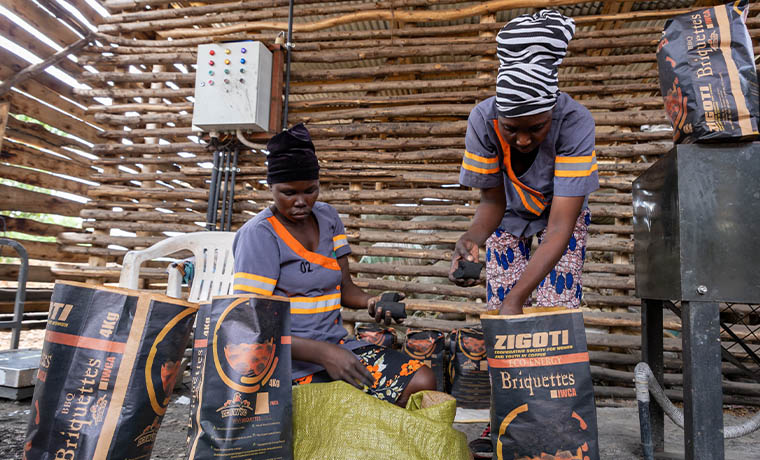
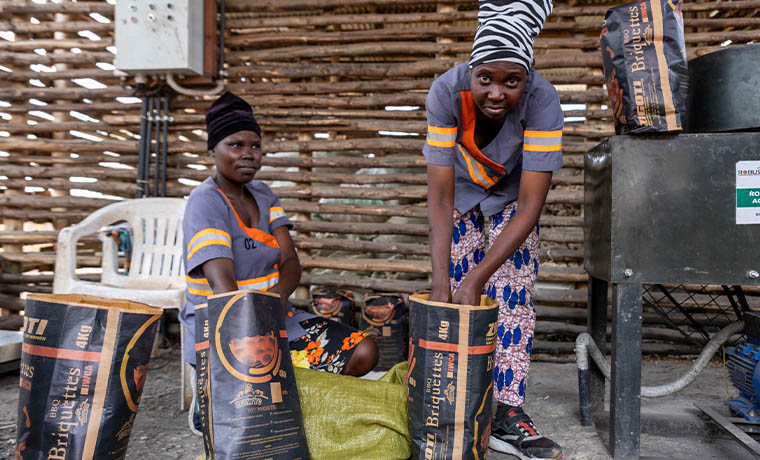
Another enterprise involves making fuel briquettes from locally available materials, including coffee husks, maize cobs, charcoal dust and cassava flour.
The briquettes provide an alternative cooking fuel for households while offering SACCO members another source of revenue.
A four-kilogramme pack currently sells for Shs10,000.
Through these ventures, the women are demonstrating how agricultural by-products can create economic opportunities beyond the coffee harvest, while supporting environmental sustainability.
Savings and financial literacy strengthen independence
Beyond providing a platform for entrepreneurship, the SACCO has become an important financial support system for its members.
Through regular contributions, women build their savings and gain access to loans that can support emergencies, household needs and small business investments.
For women raising families on modest incomes, access to these financial services provides an opportunity to plan ahead rather than rely entirely on daily earnings.
Their efforts have also been strengthened through financial literacy training supported by Equity Bank Uganda.
The training equips members with practical knowledge in budgeting, saving and investing, helping them make better financial decisions and manage the income generated from their various activities.
By combining employment with savings, access to credit and financial education, the women are gradually building a stronger foundation for financial independence.
Building opportunities across generations
The impact of the initiative is also beginning to extend beyond the current generation of workers.
Some women have spent years working at the farm while raising their children, exposing them to coffee production, processing and other agricultural activities.
Today, some of those children, having grown up around the enterprise, are beginning to participate in the business themselves.
This growing involvement points to the potential of the coffee enterprise to transfer practical agricultural skills, work experience and entrepreneurial knowledge from one generation to another.
For Zigoti Coffee Works, the women’s participation is therefore contributing not only to the company’s operations but also to the development of livelihoods and enterprises within the surrounding community.
As the women continue to produce coffee, manufacture briquettes, process organic fertiliser and grow their savings, they are building income streams that extend beyond employment on the farm.
For Nafula, the journey began with a search for work that would help her provide for her children. For Nakitende and other SACCO members, it has become an opportunity to save, invest and explore business ventures of their own.
Their experiences illustrate how agricultural employment, when combined with collective savings, financial literacy and entrepreneurship, can create opportunities for women to move beyond earning a daily income towards building sustainable livelihoods.
At Zigoti, coffee is no longer just a crop. It is becoming a starting point for women to turn agricultural waste into wealth, strengthen their financial independence and create opportunities for future generations.