










By Mulengera Reporters
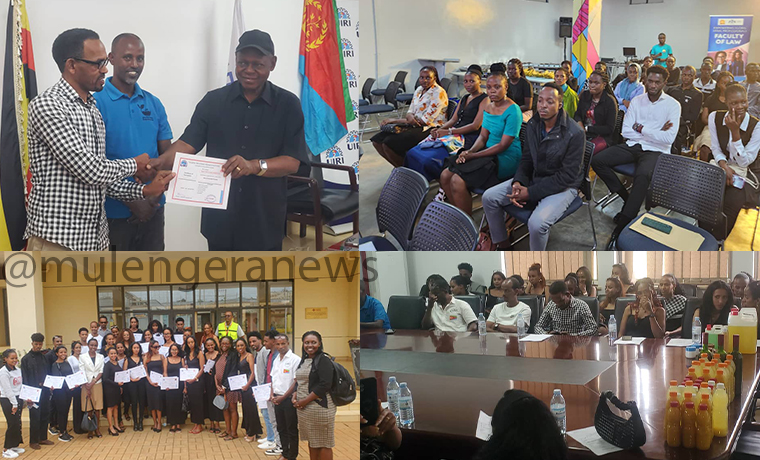
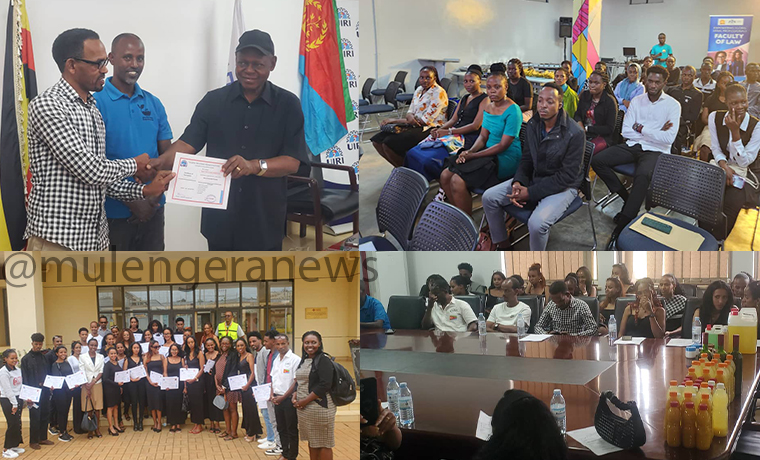
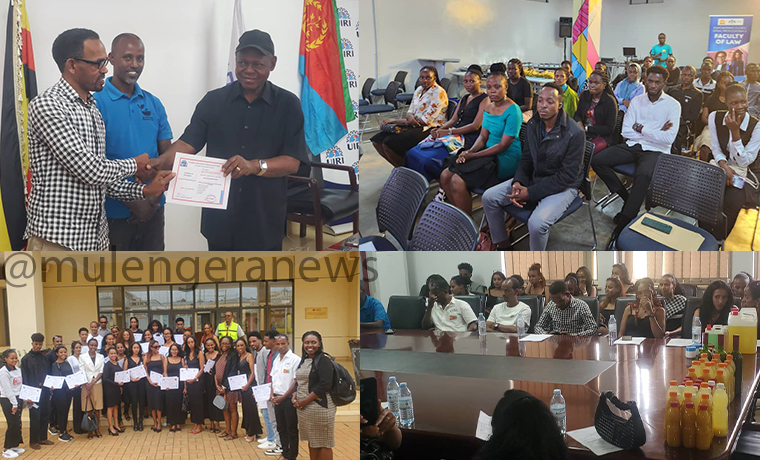
The Uganda Industrial Research Institute (UIRI) has extended its life-changing impact to 35 Eritrean refugees who have completed a one-week intensive training in juice and wine production, as well as cosmetics making, in a programme which was conducted at UIRI’s Nakawa campus and concluded with a colourful graduation ceremony on Tuesday at the Institute’s headquarters in Namanve.
The graduates, a group of both men and women, were awarded certificates by UIRI’s Executive Director, Prof. Charles Kwesiga, and their training marks a new chapter in their quest for survival and dignity as they rebuild their lives far away from their homeland.
According to their team leader, Mr. Yonas Hadgu, the General Manager of Zara Hydroponics, the organisation that linked them to UIRI, the Eritrean refugees have been in partnership with UIRI for the last five years. He explained that this collaboration was initiated to help members of the Eritrean community in Uganda acquire practical skills that would empower them to earn a living, integrate into society, and support themselves despite being away from home.
Mr. Hadgu commended UIRI’s contributions, noting that the Institute has been a steady partner, opening its doors to the refugees and equipping them with vital knowledge in product formulation, production processes, quality control and packaging, pointing out that such interventions have gone a long way in strengthening the refugee community’s capacity to sustain themselves.
During the graduation, Prof. Kwesiga inspired the trainees by sharing his own journey of once being a refugee. He recounted how, in the 1970s under the regime of Idi Amin, he was arrested and detained in Mutukula Prison for over a year before escaping into Kenya. Still being pursued, he fled to America where he pursued higher education in industrial engineering and built his career.

Kwesiga noted that it was this very foundation abroad that later led President Museveni to call him back home after 26 years in exile, eventually appointing him as the Executive Director of UIRI. He told the Eritrean youth that their current status as refugees should not deter them from pursuing their dreams, as resilience and determination can transform their lives just as his own experience demonstrated.
The skills acquired by the group at UIRI are expected to open doors to entrepreneurship and self-reliance. With training in juice and wine production as well as cosmetics formulation, the graduates are now equipped to produce market-ready goods that can compete in both local and regional markets.
UIRI’s continued support, coupled with its partnerships with organisations like Zara Hydroponics, reflects its broader mandate of building capacity, encouraging innovation, and empowering communities (both Ugandan and foreign) to create livelihoods through science, research and industrial skills.
For the Eritrean community, this training was not just about acquiring certificates, but about finding hope, dignity and a pathway to independence in their new country or home.