







A faction of the Democratic Party (DP) calling itself DP at Heart has rejected a proposed power-sharing arrangement between the National Resistance Movement (NRM) and opposition parties, warning that the initiative could weaken multiparty democracy and push Uganda towards a one-party state.
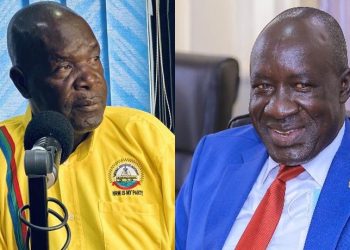
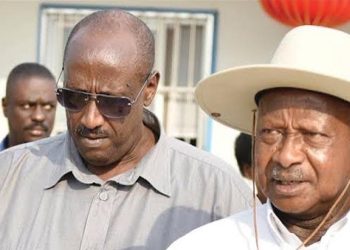
Led by spokesperson Ismael Kiirya, the group argues that the consociational democracy model being promoted by Gen Salim Saleh and Prof Ogenga Otunnu (who happens to be Saleh’s personal assistant) risks concentrating political power in the hands of a few people while shutting ordinary party members out of decisions that could determine the political future of Uganda.
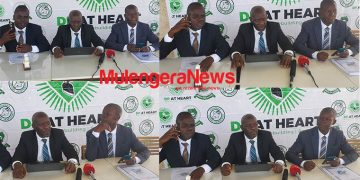
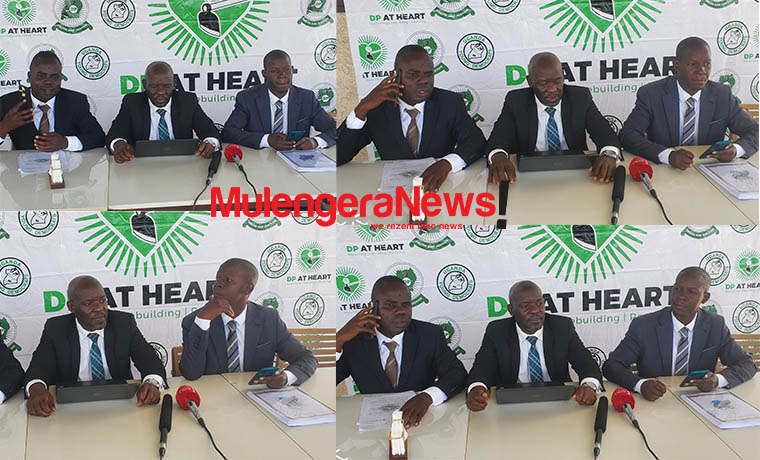
Addressing journalists at H2W Restaurant in Kyebando on Saturday, October 31, Kiirya, who is also the Uganda Young Democrats emeritus, said DP at Heart was not opposed to dialogue or cooperation with the government but strongly objected to what it described as secret negotiations conducted without consulting party members like them (Kirya and the group).
DP at heart cited a 137-page document presented during a two-day political retreat held in Jinja on October 15 and 16, 2026, where leaders of some opposition political parties reportedly discussed post-election tensions, dialogue and possible cooperation with the NRM.
According to the document, opposition leaders were given two weeks to consult their respective parties and report back on the proposed arrangement. However, DP at Heart says the deadline expired on Thursday this week, without any opposition party publicly explaining the proposal to its grassroots membership.
“We are not against any dialogue or any cooperation with the NRM. What we are against is secrecy,” Kiirya said, accusing opposition leaders of keeping their members in the dark about negotiations that could fundamentally change the country’s political system.
He was accompanied by Kamya Kasozi, the DP chairman for Mpigi District, and Anthony Wadimba, the DP chairman for Kayunga District.
The group is particularly concerned about what it called a repeat of the controversial DP-NRM cooperation agreement associated with DP president general Norbert Mao, who also serves as the minister for Justice and Constitutional Affairs in president Museveni’s government, despite being the top leader of Uganda’s oldest political party.
Kiirya said the document itself acknowledges that the earlier arrangement was negotiated behind closed doors by DP political elites without involving the party’s wider membership, contributing to its rejection by sections of the Balintuma road based political outfit.
DP at Heart argues that opposition leaders should not repeat what it considers a costly political mistake by entering another agreement with Museveni’s government without first securing the views of their respective party organs and members.
Kasozi said the previous cooperation agreement had contributed to internal divisions within the DP and weakened the party’s electoral fortunes.
He cited the defeat of former Mukono South MP Kayongo as an example of the political consequences he believes followed the agreement.
“The members of the Democratic Party cannot afford another behind-the-scenes deal like this one, without giving a chance to institutional organs, which is the National Executive Committee and the National Council, to have a word,” Kasozi said.
The group also expressed concern over reports that the proposed arrangement could culminate in Parliament voting for the President, rather than Ugandans directly participating in a presidential election.
Kasozi argued that such a fundamental change in the exercise of political power should not be left to a handful of politicians negotiating on behalf of millions of citizens.
He recalled the historical struggle for multiparty democracy, arguing that Ugandans should not be pushed into a new political arrangement without their consent.
DP at Heart further contends that the proposed model could weaken opposition parties by encouraging political cooperation that blurs the distinction between those in government and those expected to hold it accountable.
Wadimba said the document raises questions about the future of political competition, warning that opposition leaders risk betraying their supporters if they endorse the proposal without public consultation.
He also questioned the secrecy surrounding the document, claiming that even some party leaders had been reluctant to make its contents available to their members.
The group maintains that its objections are not limited to the Democratic Party but concern the future of all opposition parties and Uganda’s multiparty political system.
Kiirya said DP at Heart would engage other opposition groups to explain its concerns and encourage them to demand accountability from their leaders.
The group called on political parties, religious and cultural leaders, civil society organizations and other Ugandans to scrutinize the proposed arrangement before any decision is taken, warning that without transparency and meaningful public participation, the initiative could undermine political pluralism instead of resolving the tensions it is intended to address. (For comments on this story, get back to us on 0705579994 [WhatsApp line], 0779411734 & 041 4674611 or email us at mulengeranews@gmail.com).