




By Mulengera Reporters
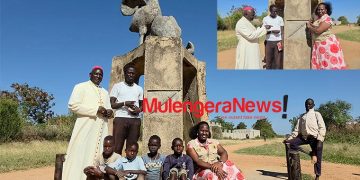
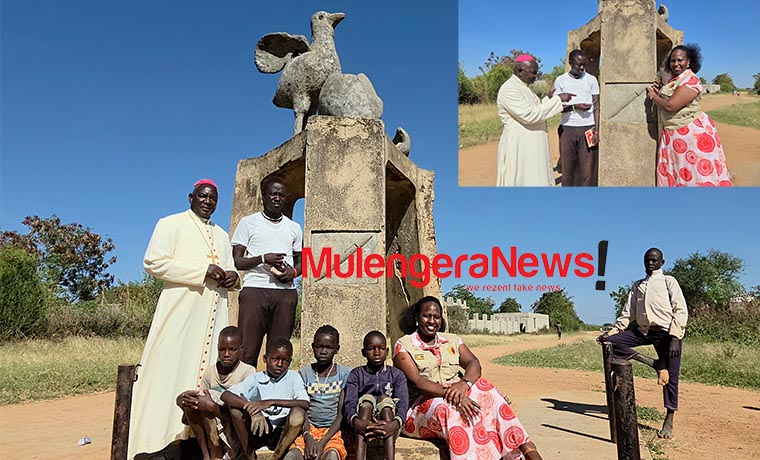
Karamoja, once defined by resistance to formal education symbolized by the historic burial of the pen and book at Lomukura, is now standing at the threshold of an educational revolution — driven by the ambitious Karamoja Peace and Technology University (KAPATU) project.
In an article authored by Counsel Severino Twinobusingye, Chairperson of the KAPATU Council, the powerful history behind Karamoja’s complex relationship with education is revisited, highlighting how colonial-era experiences shaped generations of mistrust toward formal schooling. Elders once viewed the pen as a tool of oppression, linking it to forced conscription into foreign wars and harsh taxation, ultimately leading to the symbolic burial of education itself.
But today, that narrative is being rewritten.
Nearly six decades after elders ceremonially unearthed the pen and book — signaling a renewed openness to education — KAPATU is emerging as a transformative solution aimed at lifting Karamoja’s struggling education system and unlocking opportunities for a region long left behind.

Education indicators remain alarming. Literacy levels stand at just 30.4 percent compared to the national average of 76.1 percent, while more than half of young people between six and twenty-four years have never attended school. Poverty remains widespread, and thousands of youth remain idle without skills, employment, or training.
According to Counsel Twinobusingye’s reflections, these realities demand a bold, holistic intervention — one that goes beyond traditional education models to address peacebuilding, technology, and skills development simultaneously.
Unveiled in November 2025 at Losilang in Kotido Municipality, KAPATU represents a partnership between the Catholic Lawyers’ Society International (CLASI), the Kotido Catholic Diocese, and the Government of Uganda. Leaders believe the institution will serve as a strategic anchor for socio-economic transformation, equipping young people with practical knowledge needed to reshape the region’s future.
Recent inspections by the National Council for Higher Education signal growing momentum toward operationalization, raising hopes that Karamoja could soon transition from decades of marginalization to a new era defined by education-driven growth.
For many residents, the journey from burying books to building a university is more than symbolic — it marks the rebirth of a region determined to reclaim its future through knowledge. (For comments on this story, get back to us on 0705579994 [WhatsApp line], 0779411734 & 041 4674611 or email us at mulengeranews@gmail.com).