







By Ben Musanje
Former Government Chief Whip and Senior Presidential Advisor-designate Dr. Canon Ruth Nankabirwa Ssentamu has advised male Members of Parliament to cultivate supportive family relationships, warning that possessive spouses can easily undermine a legislator’s effectiveness and public service if they fail to appreciate the demanding nature of parliamentary work.
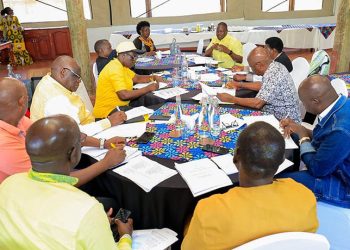
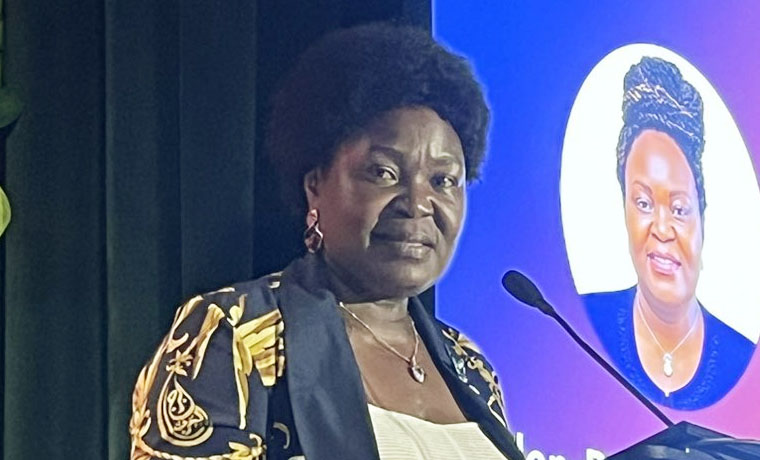
Delivering a lecture during the induction seminar for Members of the 12th Parliament at Speke Resort Munyonyo, Nankabirwa devoted part of her presentation to the often-overlooked domestic pressures legislators face, arguing that parliamentary success depends not only on political ability but also on stability at home. She observed that many MPs struggle to balance parliamentary duties with family responsibilities, businesses, financial obligations and the expectations of constituents, making support from spouses indispensable.
Speaking candidly, the veteran legislator said some parliamentarians leave home each morning already burdened by unnecessary domestic conflicts. She described situations where an MP is preparing to report to Parliament only for a spouse to suddenly demand attention to routine household matters despite the availability of domestic workers. Such distractions, she said, consume valuable time and create unnecessary tension before legislators even begin their official duties.

Nankabirwa reserved special advice for male MPs whose wives are uncomfortable with visitors at their homes. She warned that such legislators would inevitably encounter difficulties because Members of Parliament are public leaders whose homes regularly receive constituents seeking assistance, advice and representation. According to her, a wife who enjoys the prestige of being married to an MP but discourages visitors is inadvertently frustrating the work of her husband and affecting his overall performance as a representative of the people.

She also cautioned against family disagreements arising from the financial demands associated with political leadership. Nankabirwa noted that some spouses become unhappy after watching MPs extend financial assistance to constituents, forgetting that helping members of the public is often an unavoidable aspect of political leadership. She stressed that parliamentary work requires understanding and sacrifice from family members, who should appreciate the pressures elected leaders face instead of viewing every expenditure as a loss to the household.
Drawing from her personal experience, Nankabirwa shared how she successfully balanced a demanding political career with raising a family. She revealed that she gave birth to seven children with one husband while simultaneously serving in Parliament and later Cabinet, attributing much of that success to the unwavering support of her husband, who deliberately stayed away from the limelight and assumed many parenting responsibilities. She said her husband regularly took the children to school and picked them up, allowing her to focus on national responsibilities without neglecting family life.
Nankabirwa encouraged women legislators not to allow pregnancy to interrupt their parliamentary responsibilities. Recalling her own experience, she said she remained active in public office even while expecting children, including serving as Minister of State for Defence during one of her pregnancies. She urged female MPs not to hide from public life because of pregnancy, reminding them that Parliament now has facilities where babies can be cared for while mothers attend sittings. She credited the initiative to former Speaker Rebecca Kadaga, saying it allows mothers to breastfeed during breaks and return to the House to continue their legislative work.

Beyond family matters, the former Government Chief Whip highlighted financial stress as another major challenge affecting legislators. She disclosed that many MPs become trapped in cycles of borrowing from banks and money lenders, leaving them financially distressed and unable to concentrate on effective legislation. She proposed comprehensive financial literacy training and said Parliament should take advantage of the Financial Ombudsman initiative to help members better understand bank charges, loan restructuring and debt management.
Nankabirwa further revealed that during her tenure as Government Chief Whip she occasionally used her own money to assist struggling legislators so they could continue attending parliamentary business before reimbursement was arranged. She explained that a Chief Whip operating in an environment of financial hardship must sometimes go beyond official duties to keep members focused on their legislative responsibilities.
She concluded by urging Members of Parliament to jealously guard their integrity, warning that corruption scandals destroy public confidence and negatively affects both individual families and Parliament as an institution. She said she was grateful to have completed her public service without being implicated in corruption and challenged legislators to uphold the public trust placed in them by Ugandans. Nankabirwa reminded the newly elected MPs that they are custodians of public resources and architects of Uganda’s future, adding that strong family support, sound financial management and personal integrity are essential ingredients for effective representation. (For comments on this story, get back to us on 0705579994 [WhatsApp line], 0779411734 & 041 4674611 or email us at mulengeranews@gmail.com).