





By Mulengera Reporters
As Uganda prepares for the 2026 general elections, the Electoral Commission (EC) faces complex legal challenges in ensuring that all citizens, including prisoners and Ugandans living in the Diaspora, are able to exercise their right to vote. Despite these hurdles, the EC remains committed to following the High Court’s 2020 ruling, which granted voting rights to these groups.
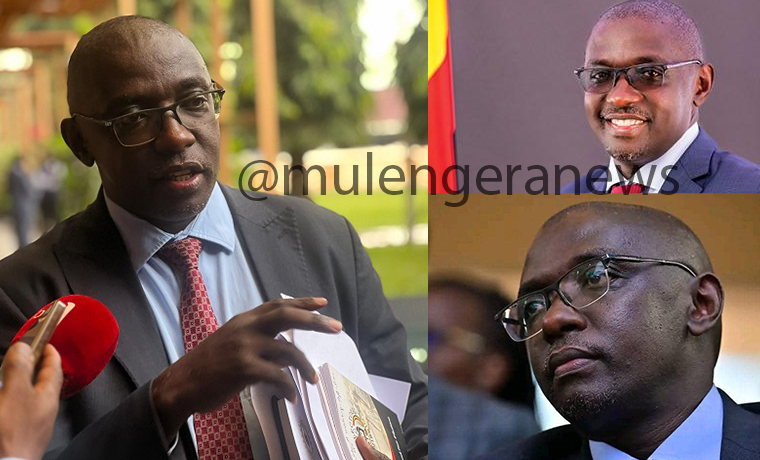
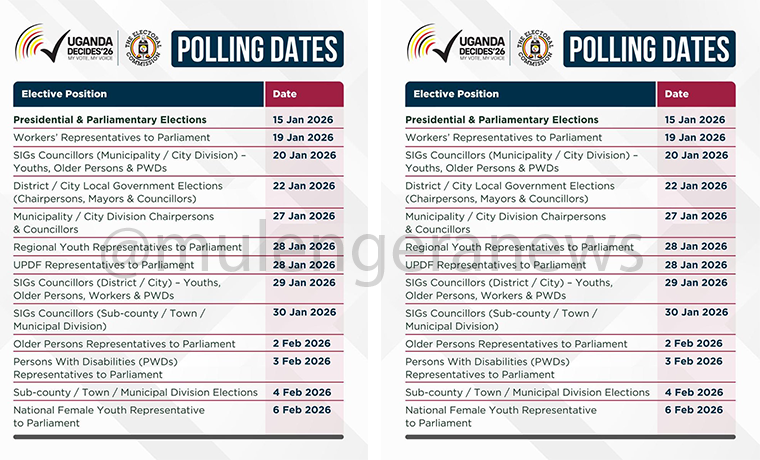
The 2020 High Court decision declared that all Ugandans aged 18 and above, including those incarcerated or living abroad, have the constitutional right to vote. However, the Court also acknowledged that practical and logistical challenges would need to be addressed before these groups could fully participate. The EC, led by Chairperson Justice Simon Byabakama, has faced significant difficulty in implementing the ruling in time for the upcoming 2026 elections, which are scheduled for January 15.
Byabakama explained that the EC is currently unable to establish polling stations in prison facilities or overseas. He stated that, for prisoners, whether on death row or serving life sentences the Commission could not yet establish polling stations within prison walls. Similarly, for Ugandans abroad, the law only allowed voting within Uganda, specifically at polling stations in their area of origin.
Despite these constraints, the Electoral Commission has been proactive in working with Parliament to introduce legal amendments that would address these challenges. Byabakama expressed hope that the necessary changes would be made in time for future elections, particularly the 2026 polls. He reiterated that the EC’s role is to ensure that elections are fair, free, and accessible, but noted that changes in the law are needed to facilitate the inclusion of these two groups.

He added that the Commission was doing everything it could within its mandate but highlighted that the current legal framework simply did not allow for overseas voting or the establishment of polling stations within prisons. He stressed that the EC was working closely with Parliament to address these gaps and was optimistic that these issues would be resolved in the near future.

The EC has also responded to concerns that the exclusion of prisoners and Ugandans abroad might disenfranchise citizens, pointing to the broader efforts they are making to improve voter participation overall. Over the past several years, the Commission has launched multiple initiatives to enhance voter education, improve access to registration, and make polling stations more accessible across Uganda.
While the current limitations might prevent certain groups from voting in 2026, the EC has stressed that they are taking significant steps toward ensuring that these challenges are overcome in future elections. Additionally, the Commission has committed to transparency in its processes, regularly updating the public on the steps being taken to address the legal hurdles.
Byabakama also emphasized that the issue was not one of unwillingness, but rather about complying with the law and ensuring the integrity of the electoral process. He noted that the EC was working within the existing legal framework to ensure that the rights of all Ugandans were respected. He expressed belief that, with time and continued legal reforms, the Commission would be able to include every eligible citizen in future elections.
Despite the ongoing challenges, the EC remains optimistic that the necessary legislative changes will be made to accommodate these groups. While prisoners and Diaspora Ugandans will not be able to vote in the 2026 elections, the Commission is steadfast in its commitment to fulfilling the constitutional rights of all citizens in the years ahead.