








By Aggrey Baba
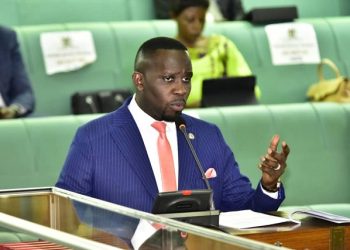
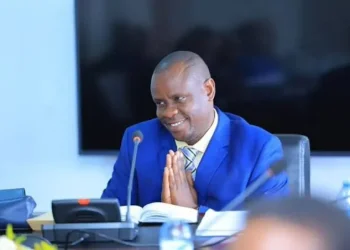
The Democratic Party (DP) has revealed how its National Chairman Dr Kiwanuka Mayambala Ssempala is battling to protect a 12-acre property in Kawanda against what he describes as an elaborate land grabbing scheme involving forgery, manipulation of land records, questionable court orders and violent evictions.
Ssempala says his personal experience has exposed the difficulties ordinary Ugandans face when powerful individuals attempt to take over their property, particularly where those involved have access to government institutions and the resources to sustain expensive legal battles.


He brought his own experience into the debate during the party’s weekly media interface on Tuesday, recounting how the property became the subject of a bitter ownership dispute involving individuals claiming to be descendants of a former landowner.
He said the contested property had a long ownership history dating back several decades, but a group of people had emerged claiming a right to the land on the basis of their alleged family connection to its previous owner.
“Example is me, the national chairman of the Democratic Party. I have my land, just simple twelve acres in Kawanda here. All what I’m talking about is what has transpired concerning the land, which my family has owned from 1949,” Ssempala said.
He added that the individuals seeking to take over the property had exploited weaknesses within the land administration system, including alleged forgery of documents and manipulation of information in the Ministry of Lands’ computerized records.
The DP chairman said the dispute had demonstrated how landowners could lose control of property despite holding documents they believe establish their ownership, particularly when official records are altered or manipulated.
“All what I have spelled out is what we have experienced, right from the lands department, the courts, all forgery. Not forgetting the IT department of lands ministry,” said Dr. Ssempala who ironically can’t be immune to such land grabbing antics even his party president Norbert Mao is the powerful Minister of Justice with some supervisory authority over the country’s judicial system, which many Ugandans believe has become too inefficient.
Ssempala further alleged that the dispute had been accompanied by destruction of houses and other property, as well as theft of household belongings, goats, iron sheets and timber.
He accused individuals involved in the dispute of using intimidation and destruction of property to force their way onto the land, raising questions about the response of security agencies to complaints made by affected occupants.
According to him, police had been alerted about developments on the property but had failed to provide the intervention he expected.
He also raised disturbing allegations of ritual activities on the contested property, claiming that a person had died and that the body was hurriedly removed in circumstances he believes require investigation.
The DP chairman argued that land grabbing has evolved beyond ordinary ownership disagreements, with some disputes now involving organized gangs, forged documents and individuals who use their influence to frustrate genuine landowners.
According to Dr Ssempala, the problem is particularly serious where people suspected of manipulating land records could also exploit the institutions expected to resolve ownership disputes.
He called for investigations into public officers implicated in such practices, insisting that those found responsible should be apprehended and prosecuted.
“The officers who are implicated in such acts, we need examples by apprehending them,” he said.
He warned that ordinary Ugandans were especially vulnerable because recovering grabbed property through the courts requires considerable chunks of money, legal representation and years of persistence.
“The cost of running and pursuing the repossession of the grabbed land is not that easy and very expensive,” he said.
He went further and added that many victims eventually abandon their claims because they cannot afford lawyers, court processes and the other expenses associated with pursuing justice.
It is against this background that DP intends to establish a legal bureau at its headquarters to help people facing land-related injustices.
The proposed facility is expected to provide legal guidance and support to vulnerable landowners seeking to challenge disputed transactions, recover property or pursue complaints against individuals and officials suspected of facilitating land grabbing.
Ssempala said the initiative would not be restricted to DP members, but would be open to Ugandans regardless of their political affiliation, religion or region.
“One of our way forward is DP’s coming up with a legal bureau at our headquarters here, which is going to assist those who are vulnerable to all these land grabbing,” he announced.
He said the party had assembled legal team, comprising advisors and volunteers, who would support the initiative and respond to requests from people seeking assistance.
“We just have to invite or respond to any requests brought to us forward,” he added.
Beyond individual ownership disputes, the Doctor warned that land grabbing was threatening families, ancestral burial grounds (ebijja) and cultural heritage, particularly in communities where land is closely connected to clan identity and traditional inheritance.
He cited ancestral hills and burial grounds in Buganda, arguing that the loss of such land could permanently disconnect communities from places associated with their history and identity.
The DP chairman also questioned the effectiveness of government interventions, including presidential and ministerial directives, arguing that such measures would achieve little if officials within the relevant institutions were themselves implicated in fraudulent land transactions.
He urged government to investigate allegations of collusion within the lands administration system and ensure that officials found culpable are held accountable.
The party also called for broader consultations on land reforms, with Ssempala saying DP had previously developed a land policy document in 2017 and shared it with Parliament
He warned that persistent disputes over ownership could undermine public confidence in the land administration system and discourage investment, as individuals and businesses face uncertainty over the security of property acquired through formal processes. (For comments on this story, get back to us on 0705579994 [WhatsApp line], 0779411734 & 041 4674611 or email us at mulengeranews@gmail.com).