





By Mulengera Reporters
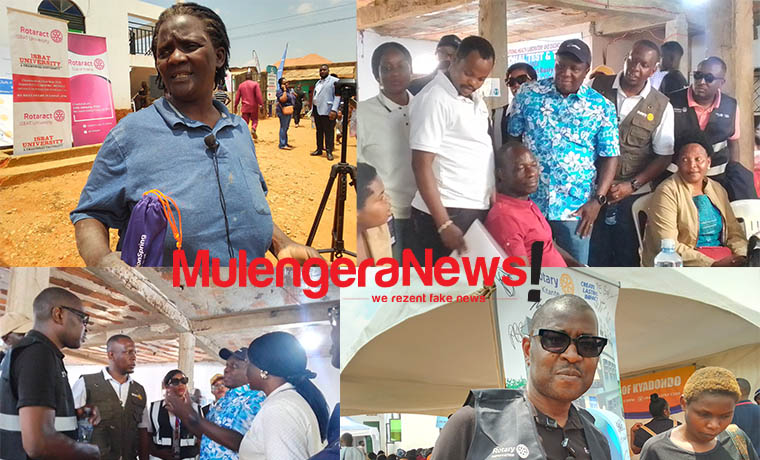
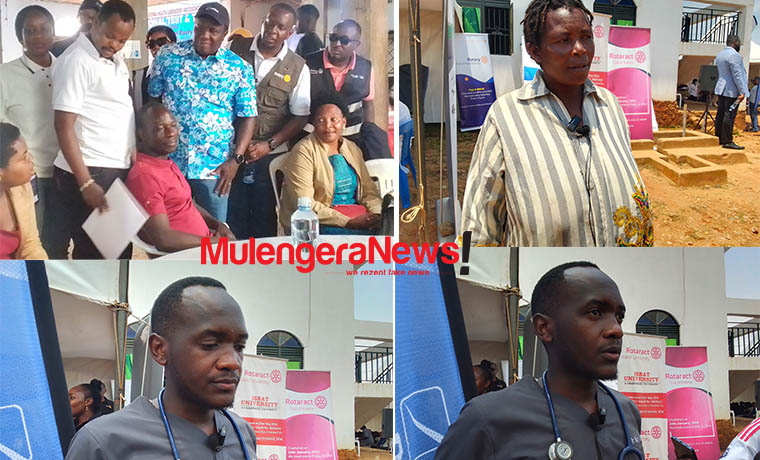
Nearly 1,500 residents of Kamwokya in Kampala Central have turned up at the Seventh-day Adventist Church grounds to access free medical services under a health outreach organised by dfcu Bank in partnership with Rotary Uganda and other stakeholders.
The medical camp brought together health professionals offering consultations, laboratory investigations, screening, treatment and medication for a range of health conditions, including malaria, hypertension, diabetes, skin infections and other illnesses affecting community members.
The initiative forms part of dfcu Bank’s corporate social responsibility efforts and its wider partnership with Rotary Uganda to bring essential healthcare services closer to underserved communities.

For many beneficiaries, the outreach provided an opportunity to receive medical attention they had previously been unable to afford.
Beatrice Nyinahabimana, a street cleaner with Kampala Capital City Authority (KCCA) and a resident of Kamwokya, was among those who accessed the services after experiencing fever and other health complications.
Nyinahabimana said financial constraints had prevented her from visiting a health facility, leaving her to endure the illnesses despite continuing with her daily activities.
She expressed gratitude to dfcu Bank and Rotary Uganda for organising the camp, saying it had given residents an opportunity to seek medical attention without worrying about the cost.

She also encouraged fellow residents and her workmates at KCCA to take advantage of such initiatives and prioritise their health.
Another beneficiary, Bennard Tabu, travelled from Namungona in Rubaga Division after a friend informed him about the medical camp.
Tabu said he had been struggling with skin rashes for about a year and had visited a clinic several times, receiving different medications without improvement.
He estimated that he had spent more than Shs120,000 seeking treatment without achieving the desired results.
At the Kamwokya camp, Tabu underwent medical tests and was awaiting medication for his condition.
He commended dfcu Bank for supporting the initiative and urged other young people to attend similar outreaches, undergo medical tests and seek appropriate treatment.
Undiagnosed chronic illnesses raise concern
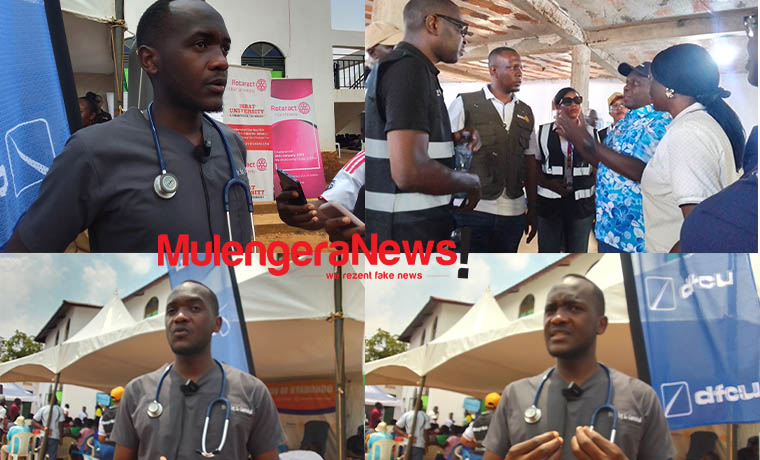
Dr. Alex Lwesabula Lukyamuzi, a medical doctor at Mengo Hospital and a Rotarian, said the large turnout reflected the significant unmet healthcare needs among residents, particularly those from low-income backgrounds.
He said the medical team had attended to more than 500 patients at the time of his interview, providing a range of services through specialised clinics.
These included general medical consultations, ophthalmology, laboratory investigations, hepatitis B screening, sickle cell screening, malaria testing, urinalysis, family planning, gynaecological services and pharmacy services.
Patients requiring eyeglasses or reading glasses were also assessed by eye specialists, while those needing further medical attention could be referred to other health facilities.
Dr. Lukyamuzi identified hypertension and diabetes among the major conditions detected during the outreach, expressing concern that some patients had lived with the illnesses for extended periods without knowing their health status.
He noted that some patients presented with dangerously high blood pressure despite being unaware that they had hypertension.
“Screening and prevention are very key,” he said, urging members of the public to seek regular medical checks rather than waiting until they develop symptoms or serious complications.
According to the doctor, delayed diagnosis can affect patients’ quality of life and increase the risk of complications, while early detection allows timely treatment and better management of chronic conditions.
He also reported cases of malaria, coughs, flu and diarrhoeal illnesses, which he said highlighted the importance of proper sanitation and hygiene.
Dr. Lukyamuzi attributed the prevalence of malaria in the area, in part, to waterlogged surroundings that can provide breeding grounds for mosquitoes.
He called for increased community health education and awareness to help residents understand how diseases spread, recognize warning signs and seek appropriate care.
He further encouraged parents and guardians to ensure children receive recommended immunizations, noting that vaccination remains an important tool in preventing several infectious diseases.
A wider commitment to community healthcare
The Kamwokya outreach builds on dfcu Bank’s longstanding involvement in Uganda’s development, which began in 1964 when it was established as a development finance institution to support projects and businesses contributing to economic growth.
Over the decades, the institution’s work has extended to sectors including agriculture, manufacturing, tourism, education and health.
As part of its partnership with Rotary Uganda, dfcu Bank committed Shs1 billion over three years to support health initiatives, including community medical camps, screening, health education, referrals and access to specialized treatment.
Since the partnership began, more than 30,000 Ugandans have benefited from the programme, including 22 children from western Uganda who received heart surgeries.
Other outreach activities have taken place in communities including Nakivubo, Mbuya, Kasenyi Landing Site, Mbarara, Ibanda and Masaka.
In Mutungo, a separate medical camp organised by the Rotary Club of Kigo Seven Lakes Golf, with support from dfcu Bank and health service providers, served 424 people. Services included outpatient consultations, eye screening, malaria testing, HIV counselling and testing, diabetes screening, triage and medical referrals.
The programme seeks to improve access to healthcare by bringing services directly to communities, particularly those where the cost of medical consultations, diagnostic tests and medication can prevent people from seeking timely treatment.
Dr. Lukyamuzi said the medical camp’s approach went beyond treating existing illnesses to include health education, screening and diagnosis, treatment, rehabilitation and referrals to ensure continuity of care.
He urged residents who had not yet accessed the services to take advantage of the free consultations and screening, while emphasizing the need for regular health checks, improved sanitation and early medical intervention.
The Kamwokya camp underscores the role of partnerships between financial institutions, humanitarian organizations and healthcare professionals in addressing barriers to essential medical services and encouraging preventive healthcare among Ugandans. (For comments on this story, get back to us on 0705579994 [WhatsApp line], 0779411734 & 041 4674611 or email us at mulengeranews@gmail.com).