







By Mulengera Reporters
The National Resistance Movement (NRM) government has taken a moment to showcase its accountability in the education sector, revealing key milestones and investments aimed at revolutionizing Uganda’s educational landscape.
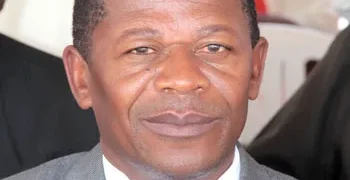
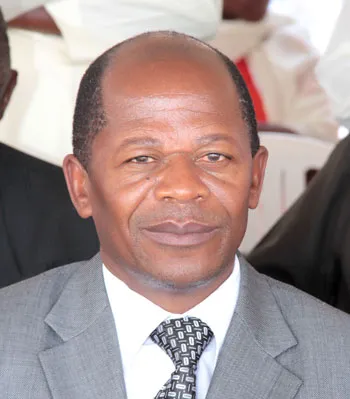
During a media briefing at NRM Secretariat along Kyadondo road in Kampala, Dr. John Chrysostom Muyingo, the state minister for Higher Education, alongside NRM Deputy Secretary General Rosemary Namayanja, shared a series of updates on the government’s efforts to enhance access to education and develop vital infrastructure.
One of the most significant revelations was the allocation of over 29 billion shillings towards the establishment of Mountains of the Moon and Busoga Universities.

This funding is part of the government’s long-term strategy to expand higher education opportunities across the country, with a special focus on underserved regions.

Dr. Muyingo stressed that this move is a crucial step toward achieving equitable access to tertiary education for all Ugandans.
“We are delivering on our promises, not just with words but with actions,” said Dr. Muyingo, highlighting that the NRM government had exceeded its initial pledge to construct 258 new secondary schools by building 259 across the country.
This was a clear reflection of the government’s commitment to ensuring that every Ugandan child, regardless of where they live, has access to quality secondary education.
The NRM also celebrated the success of over 70 universities that have been established under its leadership, marking a significant leap in the country’s higher education capacity.
“With these institutions, we are not only increasing the number of university graduates but also empowering a new generation of Ugandans with the skills and knowledge needed to contribute to the country’s development,” Dr. Muyingo added.
A key aspect of the government’s educational reform is its focus on vocational and technical training.
Dr. Muyingo revealed that substantial progress has been made in the construction of facilities at 21 Tibet institutions, which aim to equip students with practical skills for the job market.
Twelve of these institutions have already been completed and are actively serving students across various regions of Uganda, addressing the growing demand for technical and vocational education.
Rosemary Namayanja, the NRM’s Deputy Secretary General, took the opportunity to praise President Museveni’s leadership, which she credited for providing the peace and stability necessary for these educational developments to take place.
“These achievements are not just numbers; they represent real progress in creating an educated and skilled workforce. It all begins with a stable environment that allows these initiatives to flourish,” Mayanja said.
The government also reiterated its commitment to further reforms, with a continued focus on improving both the quality and accessibility of education.
From the introduction of Universal Primary Education (UPE) to the liberalization of the sector, the NRM has been at the forefront of transforming Uganda’s educational system since 1986.
With these achievements, the NRM government has once again demonstrated its dedication to ensuring that education remains a top priority in Uganda.
The ongoing projects, combined with the successful completion of schools, universities, and vocational training institutions, signal a promising future for the nation’s educational system. (For comments on this story, get back to us on 0705579994 [WhatsApp line], 0779411734 & 041 4674611 or email us at mulengeranews@gmail.com).