




By Guest Writer
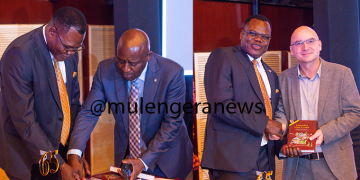
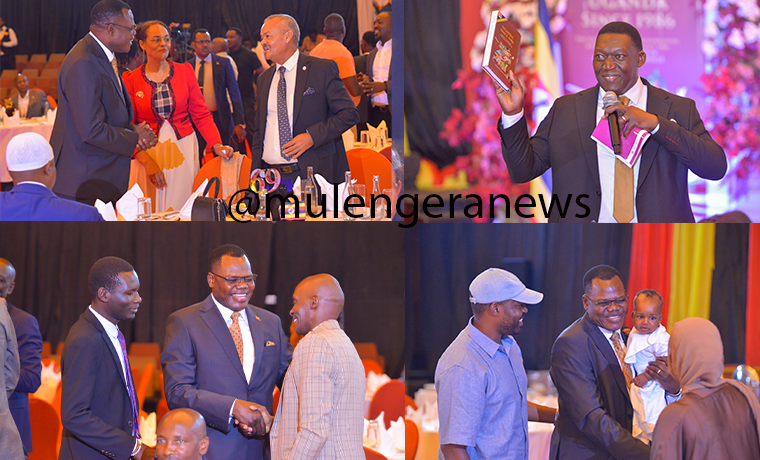
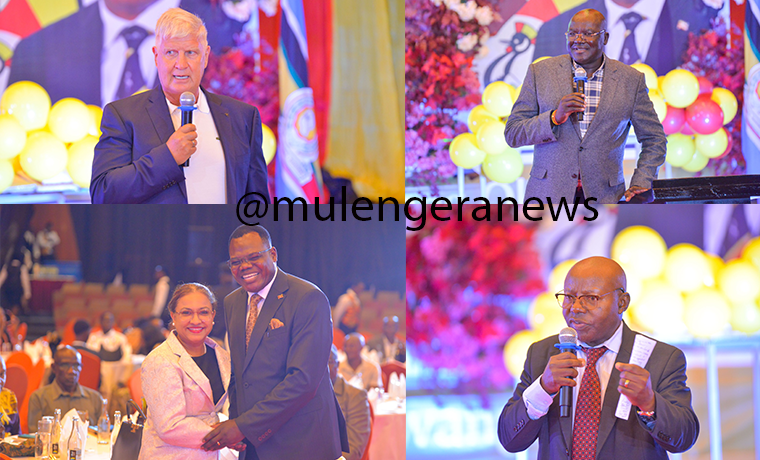
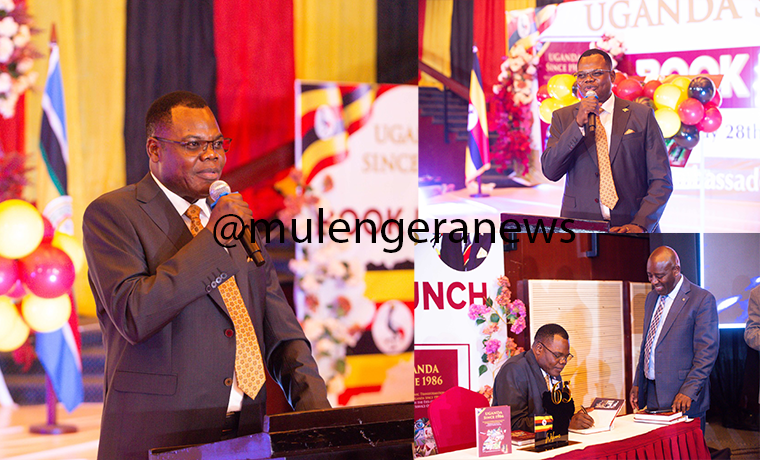
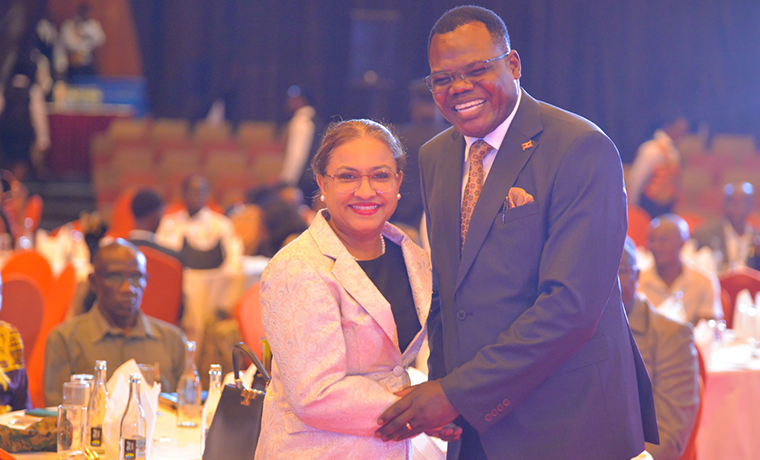
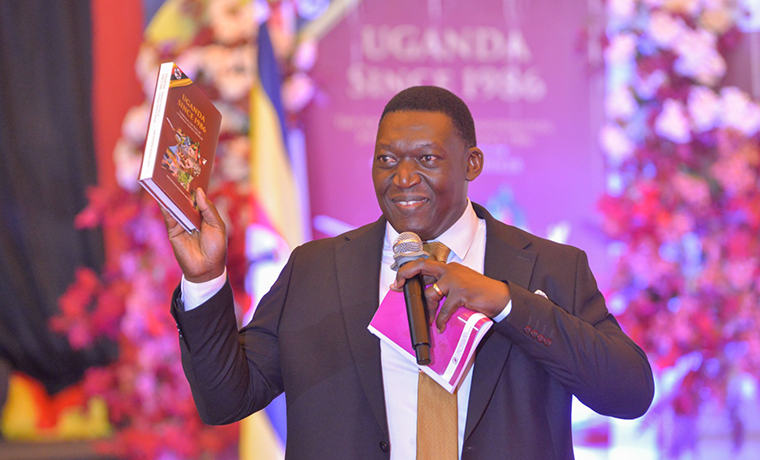
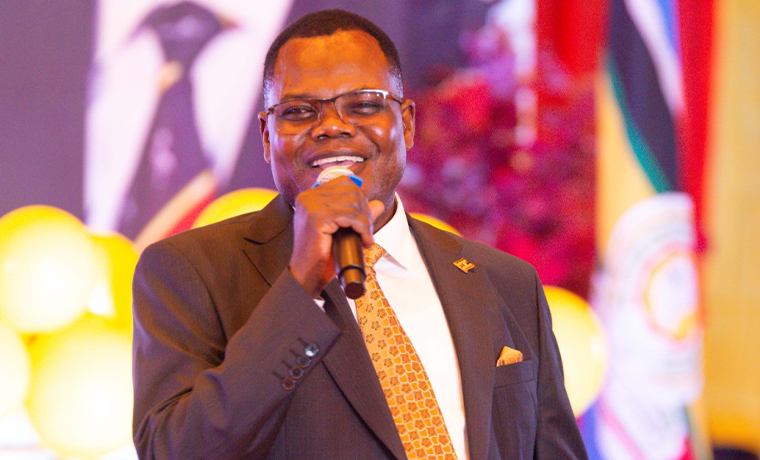
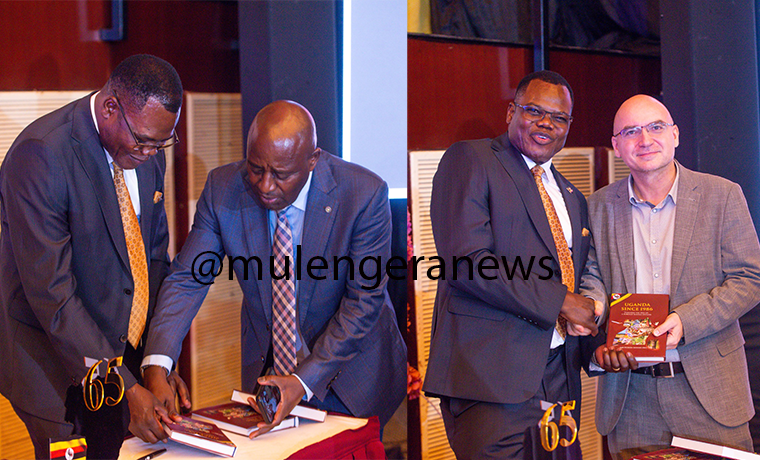
In a grand literary unveiling that captured the essence of Uganda’s modern history, Ambassador Dickson Ogwang Okul launched his latest work, “UGANDA SINCE 1986: The Socio-Economic Transformation Journey of Uganda Through the Eyes of a Foreign Service Officer,” on November 28, 2025.
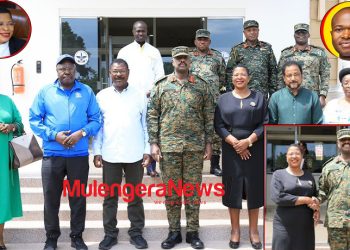
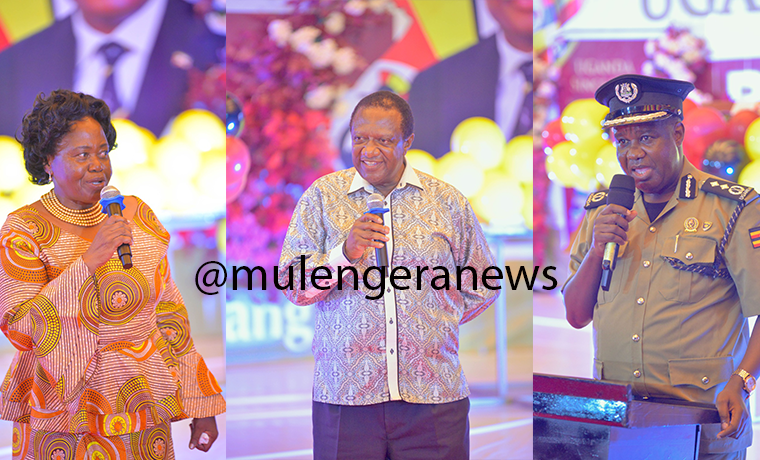
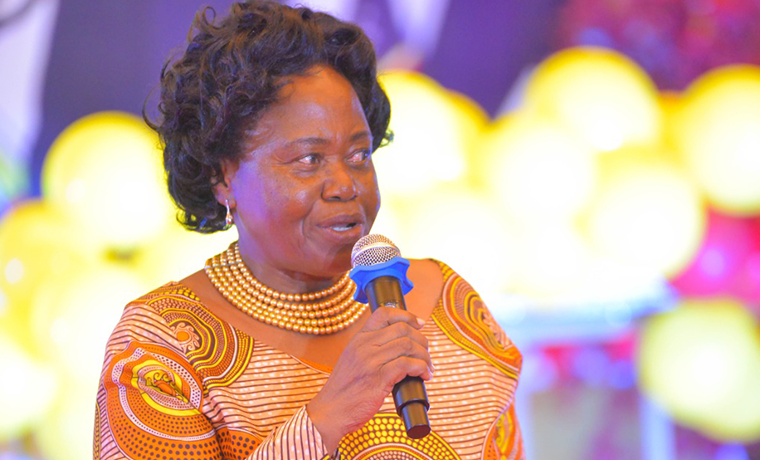
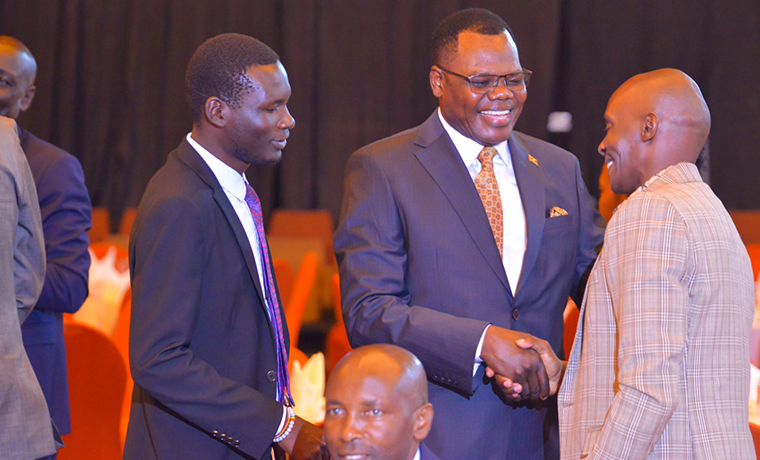
The colourful ceremony, held at the Serena Conference Centre, was presided over by Brig. Gen. Paddy Ankunda, who represented the Chief of Defence Forces (CDF), Gen. Muhoozi Kainerugaba. Attended by a distinguished gallery of high-ranking government officials, senior diplomats, and technocrats, the event underscored the book’s status as an indispensable national reference text.

A Masterful Chronicle of National Renewal
Uganda Since 1986 is more than just a memoir; it is a sophisticated analysis of how a nation once labelled the “Sick Man of Africa” rose from the ashes of systemic breakdown to become a beacon of regional stability. Amb. Ogwang utilizes his unique vantage point as a seasoned diplomat to weave together history, public policy, and personal testimony.
The author pulls no punches in describing the “baseline of collapse” prior to 1986, reconstructing a forensic account of an era where the rule of law had evaporated and the economy lay in ruins. By establishing this stark reality, he ensures readers appreciate that Uganda’s current growth is no historical accident, but the result of deliberate, disciplined leadership.
Four Phases of Progress
The book strategically breaks down Uganda’s transformation into four distinct, interconnected eras:
Stabilization and Recovery (Late 80s–90s): Re-establishing peace and fiscal discipline.
Expansion and Diversification (1990s–2000s): Opening markets and empowering the private sector.
Value Addition and Industrialization (2000s–2010s): Shifting toward manufacturing and agro-processing.
The Knowledge and Innovation Economy (2010s–Present): Embracing the Fourth Industrial Revolution.
The “Orchestra of the State”
One of the book’s most compelling features is its elevated prose. Ogwang uses the metaphor of an “orchestra” to describe governance, where the Executive, Judiciary, Legislature, and security agencies play interdependent instruments. At the centre stands President Yoweri Kaguta Museveni, portrayed as a “seasoned conductor” maintaining the harmony of the national score.
The author further argues that peace and security are not just abstract concepts but “concrete economic instruments”. He illustrates how “guns falling silent” directly enabled schools to reopen, markets to thrive, and infrastructure to be built.
Diplomacy as a Tool for Wealth Creation
In a refreshing take on international relations, Ogwang redefines the Ministry of Foreign Affairs. Rather than being a “cost center,” he argues that Uganda’s Missions Abroad are “economic scouts” and “market creators”. He demonstrates how commercial diplomacy has been used to attract foreign direct investment and rebrand Uganda as an opportunity-rich destination.
Confronting the Bottlenecks
Despite the celebratory tone, the book remains intellectually honest. Ogwang identifies persistent “bottlenecks”—including corruption, inequality, and high production costs—that could threaten hard-won gains. He even offers a sobering “counterfactual” vision of a corruption-free Uganda to inspire future leaders toward greater integrity.
A Call to Action for a New Generation
As Uganda moves toward 2026, this book aligns with the national theme of “Protecting the Gains”. It serves as a civic education manual for the youth, reminding those who have only known stability that it was “wrested from the brink of national disintegration”.
Final Verdict: Ambassador Dickson Ogwang Okul has proven to be a “policy brain of ministerial proportions,” hiding in plain sight. He does not merely shout slogans; he documents outcomes with the precision of a practitioner who has actually done the work. This is a thinker worth listening to and a patriot worth deploying in the continued architecture of modern state transformation.
Uganda Since 1986 is a must-read for every citizen, diplomat, and policymaker who wishes to understand the soul of the New Uganda.
WHO’S OGWANG, THE AUTHOR?
Ambassador Dickson Ogwang Okul is a distinguished Ugandan patriot whose career is defined by a unique synthesis of legal expertise, armed forces discipline, and diplomatic strategy. As a seasoned Foreign Service Officer and lawyer, he transitioned from a background as a Public Prosecutor to becoming a key “policy brain” for the nation.
His experience in the Armed Forces provides a strategic foundation for his work, allowing him to articulate the vital connection between national security and economic prosperity with the precision of a practitioner who has served on the front lines of governance.
A central pillar of Ambassador Ogwang’s legacy is his role as a peacemaker and Special Envoy. He was instrumental in the pacification of Northern Uganda during the LRA insurgency, a contribution that led President Yoweri Kaguta Museveni to appoint him as a Special Envoy to the United States.
In this role, he advocated for regional recovery and the reintegration of ex-combatants, demonstrating a profound commitment to reconciliation. His work transcends mere administration; it is a mission rooted in restoring hope and ensuring long-term stability for his home region and the country at large.
Beyond his official appointments in major global hubs like Washington and Khartoum, Okul is a prolific intellectual and author who documents Uganda’s transformation through his “lived institutional memory.”
Guided by deep religious convictions and moral integrity, he views his service as a contribution to a “national orchestra” of progress. Whether through his writing or his diplomatic missions, he remains dedicated to the trio of family, state, and global interests, serving as a primary architect of the national harmony he describes in his work. (For comments on this story, get back to us on 0705579994 [WhatsApp line], 0779411734 & 041 4674611 or email us at mulengeranews@gmail.com).