






By Aggrey Baba
A wise man once said, “When elephants fight, it is the grass that suffers,” and Church of Uganda-founded hospitals are feeling the weight of growing legal battles, governance struggles, and land disputes, challenges that threaten their ability to provide life-saving services.
During a meeting at the Provincial Secretariat in Namirembe, on Tuesiday, Medical Directors of these hospitals raised deep concerns about the rising number of lawsuits filed by patients.
Many of these cases, they noted, have little legal merit, yet they drain hospital resources that should have been used to improve specialized medical services. Instead of investing in better equipment and advanced treatments, hospitals are spending heavily on legal fees, straining their financial sustainability.
Beyond legal troubles, governance challenges have made hospital management even more difficult.

Local political interference and the structural composition of hospital boards have created hurdles in decision-making. In some cases, leadership struggles have slowed down progress, making it hard for hospitals to function efficiently.
Adding to these woes is the issue of land grabbing, with some hospitals facing the risk of losing the very land they stand on.
However, the Church of Uganda is working closely with the Ministry of Lands to resolve these disputes and secure ownership for its health facilities.
Amid these struggles, hospital leaders also highlighted key achievements made possible through support from the Church and its partners. Several facilities have embraced digitalization, improving efficiency in service delivery.

At Rugarama Hospital in Kabale Municipality, a new dialysis unit has been established, offering hope to patients with kidney disease. Efforts to expand specialized medical services, subsidise treatment for the vulnerable, and conduct medical outreach programs have also gained momentum.
The Good Samaritan Fund, set up to support financially struggling patients, has enabled many to receive medical care they would otherwise not afford.
Some Church-run hospitals have even gained international recognition for their contributions to healthcare.
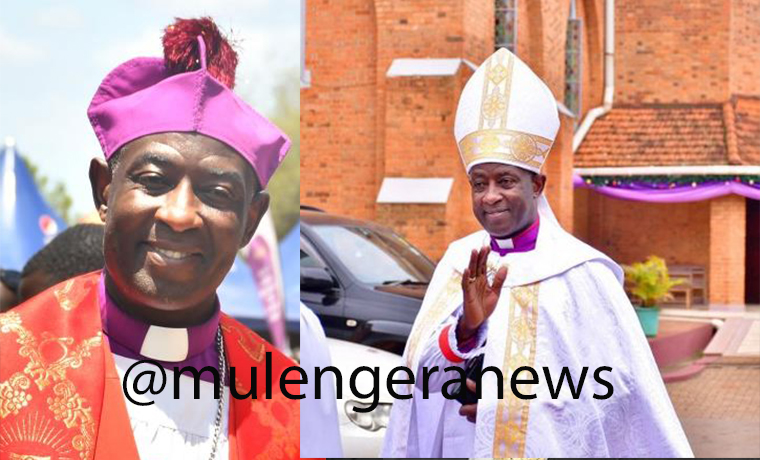
The Archbishop of the Church of Uganda, The Most Rev. Dr. Stephen Samuel Kaziimba Mugalu, urged hospital leaders to give more attention to mental health services. He warned that Uganda is facing a growing mental health crisis, worsened by the effects of COVID-19, and called on medical workers to integrate mental health care into their services. “We must care for the whole person, body, mind, and soul,” he said. “Our hospitals have a duty to provide compassionate, quality healthcare, especially in rural areas where medical services are scarce.”
He also reminded medical professionals that their work is not just a career but a ministry. “Let every patient see the love of Christ through your care. Uphold integrity and high ethical standards in your work,” he urged.
Currently, the Church of Uganda oversees 256 health facilities, including 15 hospitals, 6 Health Centre IVs, 119 Health Centre IIIs, and 114 Health Centre IIs. These facilities, among them the historic Mengo Hospital which is Uganda’s first hospital, serve communities across the country.
The Church also runs 33 community-based HIV/AIDS and public health programs across 39 dioceses, offering services in health education, malaria prevention, reproductive health, and water and sanitation programs.
Dr. Tonny Tumwesigye, Executive Director of the Uganda Protestant Medical Bureau (UPMB), encouraged hospital leaders to embrace teamwork and knowledge sharing. “When we work together, we learn from each other and find better ways to overcome challenges,” he said. Rev. Dr. Berry White, Chair of the Provincial Board of Health, stressed the importance of financial discipline, urging hospitals to clear debts and manage resources wisely. “Good stewardship means not leaving financial burdens for those who come after us,” she cautioned.
Though Church-founded hospitals face significant legal and governance challenges, their commitment to providing quality healthcare remains unshaken. (For comments on this story, get back to us on 0705579994 [WhatsApp line], 0779411734 & 041 4674611 or email us at mulengeranews@gmail.com).