







By Mulengera Reporters
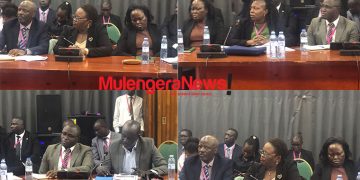
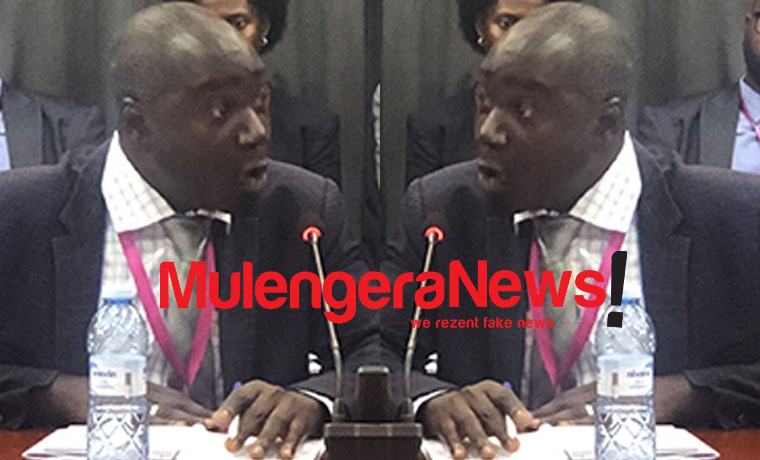
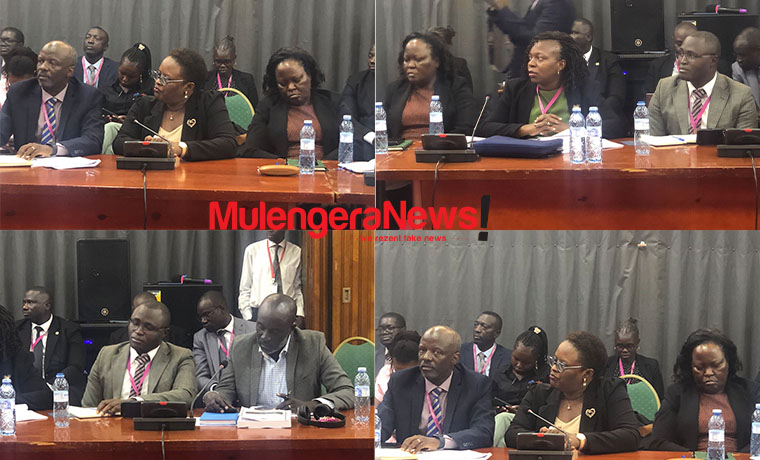
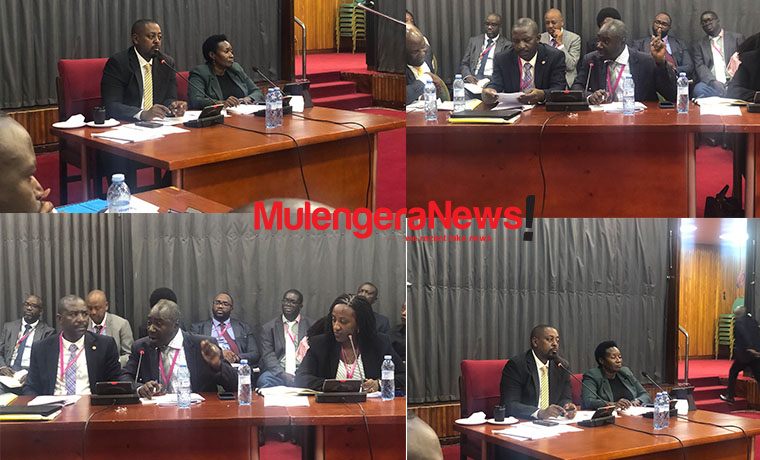
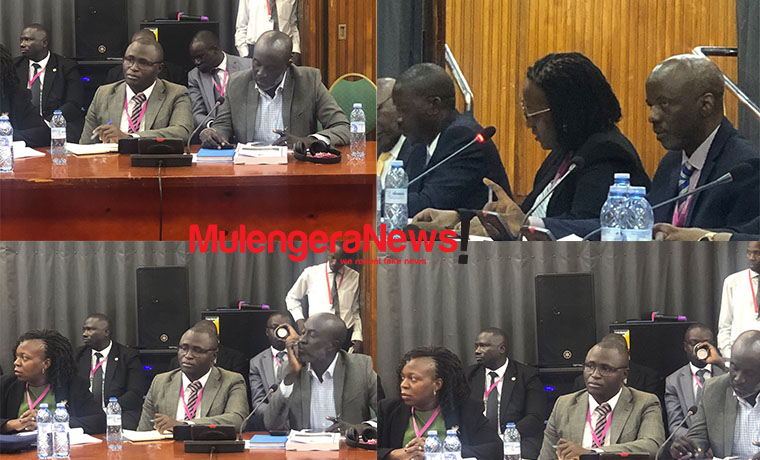
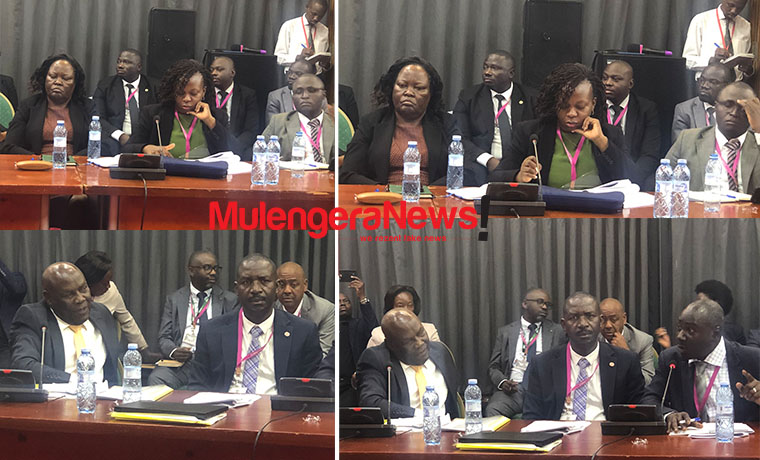
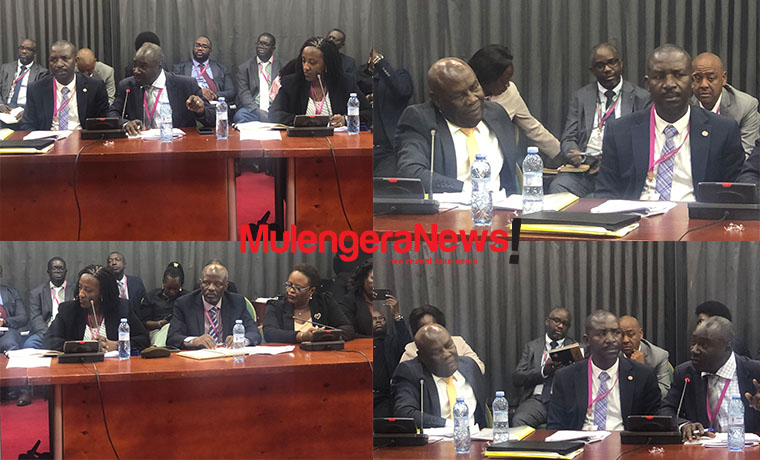
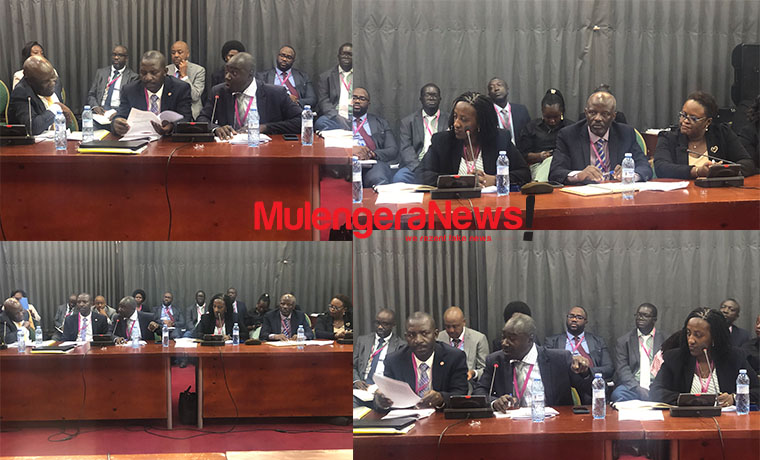
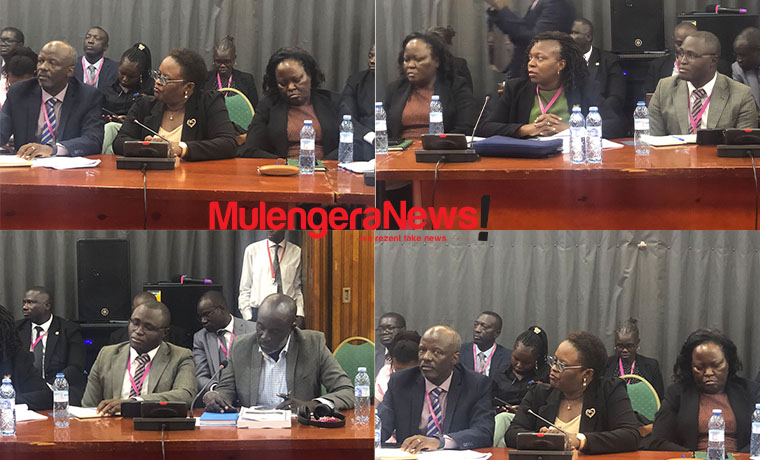
On Thursday, Uganda electricity sub sector regulator ERA’s Director Economic Regulation Dr. Geoffrey Okoboi joined a big energy sector delegation which the state minister Olupot Okasai led to interact with the Parliamentary Committee on Natural Resources.
Led by the Committee Chairman Dan Kimosho (Kazo County MP), the MPs required Dr. Okoboi to explain what ERA (the regulator) was exactly doing to support the GoU-owned electricity distribution company UEDCL to effectively contribute to the realisation of Uganda’s long-term development and socio-economic transformation aspirations enshrined under NDP4 and Vision 2040.


Dr Okoboi told the MPs many things the regulator had been doing since 2024 to support UEDCL do a good job in the post-UMEME era. That as of that time, Uganda had no less than 8 licensees to carry out the distribution business, which have since been reduced to three licensees in order to enable the UEDCL to appropriately benefit from the resulting economies of scale.
He also highlighted areas where UEDCL had fallen short of the expected regulatory performance. That several KPIs had been relied upon to establish the extent of underperformance by UEDCL. These related to the frequency of power disruptions, distribution costs etc.

On the number of times electricity is expected to go off on average at an average customer’s premises, the regulator’s set target was 68 times a year. Yet in actual sense, UEDCL badly failed on this indicator as during the review period under 2026, it went off 106 times. The regulator considers this very poor performance on part of the distribution company.
The other indicator relates to the number of hours electricity is expected to be off at an average customer’s premises. This is all reflected in the application for the distribution license and the same is agreed upon during the verification process as the regulator determines suitability for the grant of the license.
On this parameter, the set target for UEDCL was 81 hours a year yet in actual sense the same stood at 107 hours during 2026 and 137 hours during the year 2025. Okoboi explained to the MPs that these targets, as was set for UEDCL, are within what is globally acceptable.
Dr. Okoboi also briefed MPs about regulatory targets related to the need for the distribution company to keep reducing commercial and technical losses during the process of electricity distribution. That whereas 13% had been agreed upon as acceptable, UEDCL ended up with 10-18% during the 2025-2026 period. Some of these losses are as a result of illegal connections which have remained rampant yet the regulator expects the licensees (such as UEDCL) to have in place adequate mitigation measures.
Yet that isn’t all the regulator is dissatisfied about. Of the more than $100m that the regulator provided and approved for UEDCL as money to be used to invest in the distribution network (things like purchase of new transformers, replacing aged equipment, servicing and building of new electricity sub stations etc), the distribution company management only managed to utilize $1.5m over a period stretching more than a year.
Dr. Okoboi, whose views majority MPs disliked with many dismissing him as not being truthful and well-intentioned, demonstrated why mitigating against commercial and technical losses makes economic sense. That every one single percentage point registered in reduction of losses saves for the country up to $7m. He said achieving that one percent reduction in losses costs an investment of $4m but the same ends in $7m being saved for and on behalf of the GoU and its people.
The Ag UEDCL MD Engineer Joselynne R Rwabwogo, who was present at the Thursday session, owned up to all these shortcomings and articulated to the MPs the interventions that are going to be prioritized going forward to ensure that the situation gets better. She made a comprehensive presentation and called on MPs to use their appropriation powers and generously support the timely funding of the company so that the necessary network infrastructure investments are made so that power supply becomes higher quality and more reliable.
Dr. Okoboi inadvertently provoked angry responses from MPs when he explained the consequences and why such underperformance by UEDCL or any other licensees can’t go unpunished or unsanctioned by the regulator. He revealed that the above referenced failure to meet the set regulatory targets had caused UEDCL to be penalized in monetary terms. The distribution company was penalized with up to Shs1.6bn to atone its failure to meet the set and well agreed upon set regulatory targets.
Led by Kyankwanzi Woman MP Anna Maria Nankabirwa, who is also the Committee Vice Chairperson, some of the MPs hit the roof demanding to know why ERA would do such a thing (taking away Shs1.6bn) at the time the distribution company is struggling to raise money to invest in its network improvement interventions. The money is taken off the company’s reported or declared profits during the period under review.
To his credit, Dr. Okoboi quickly calmed down tempers inside the Committee room by clarifying that the penalized Shs1.6bn was impacted via a book entry move whereby UEDCL’s reported overall total profits were reduced or cut by exactly that same amount (Shs1.6bn) but the same was never taken away from the company.
Some of the journalists covering the Thursday session initially got appalled upon seeing that a significant number of MPs had missed this clarification which Dr. Okoboi had made earlier on as he communicated the Shs1.6bn penalty that was imposed on the licensee.
But all in all, the overall poor showing so far put forward by UEDCL since April last year when they first took over from UMEME, was clearly a painful concern many MPs shared during the Thursday sitting of the Committee notwithstanding efforts by Minister Olupot Okasai, a renowned optimist, to keep assuring them that things at UEDCL are ultimately going to get better sooner than they think.
At some point, Buliisa MP Allan Atugonza and Kalungu West’s Joseph Sewungu seemed to imply they aren’t surprised with the electricity access/availability crisis Ugandans have endured in the post-UMEME era because, to them, the same was foreseeable even as Dr. Ruth Nankabirwa, who was the overall Energy Minister as of that time, opted to keep painting a rosy picture targeted at winning complementary media headlines as Ugandans were counting down to the January 2026 general elections. (For comments on this story, get back to us on 0705579994 [WhatsApp line], 0779411734 & 041 4674611 or email us at mulengeranews@gmail.com).