







By Mulengera Reporters
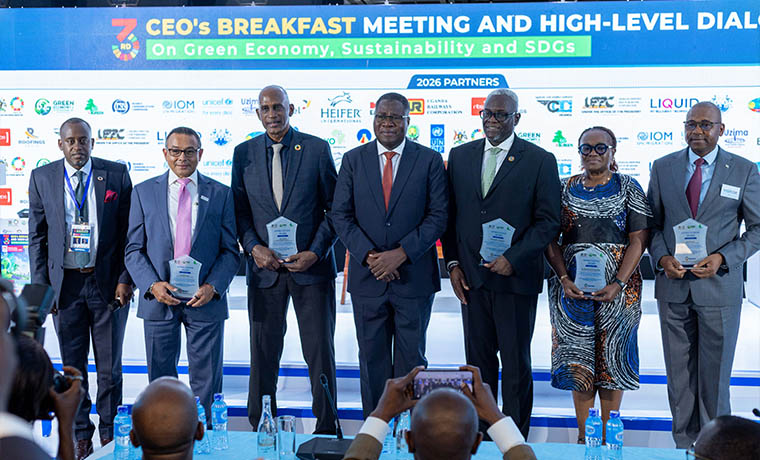
Equity Bank Uganda has reinforced its commitment to accelerating Uganda’s transition to a sustainable, climate-resilient economy, highlighting UGX 37.6 billion disbursed in green loans for climate finance at the 3rd CEOs’ Breakfast Meeting and High-Level Dialogue on Green Economy, Sustainable Development Goals (SDGs) and Sustainability.
As a proud sponsor and partner of the high-level engagement, the Bank joined leaders from government, the private sector, development partners and civil society to explore practical ways of mobilising sustainable finance, scaling green investments and leveraging digital transformation to drive inclusive economic growth.
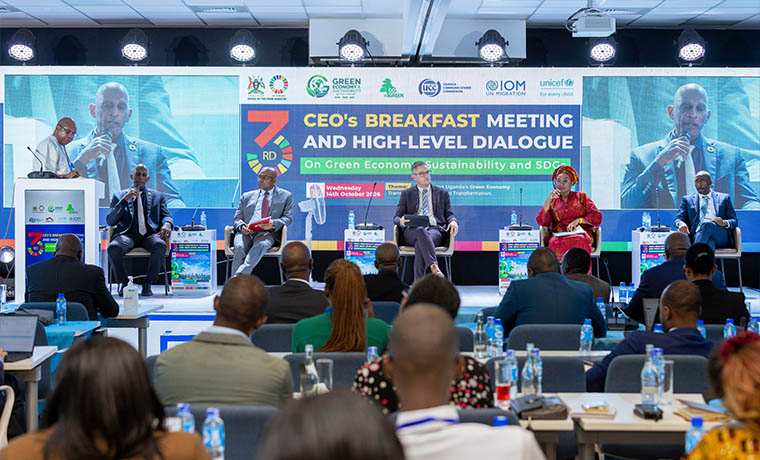
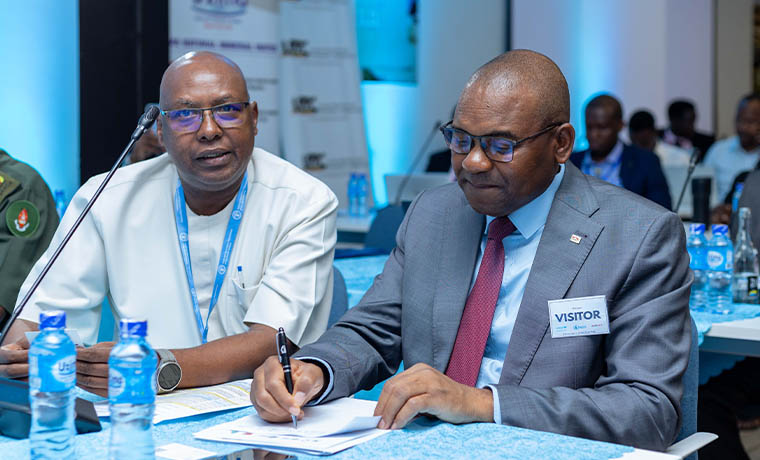
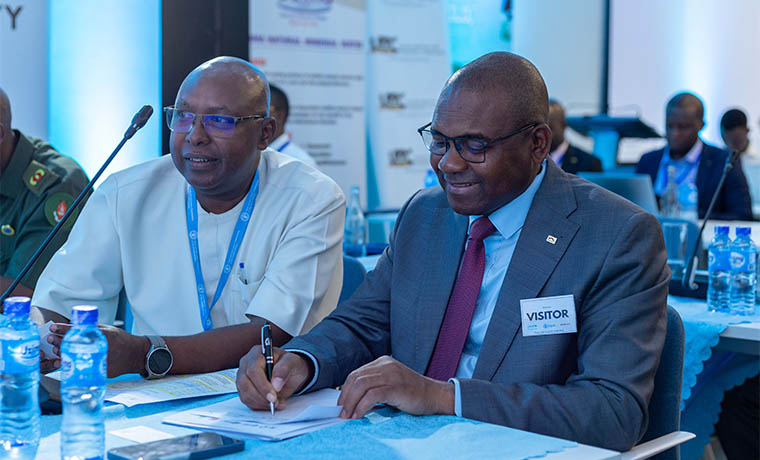
Held on Wednesday, 14 October, at the UNICEF Conference Centre in Mbuya, the meeting was conducted under the theme “Accelerating Uganda’s Green Economy Transition Through Digital Transformation.” Discussions focused on turning sustainability commitments into bankable projects that deliver tangible economic, social and environmental benefits.

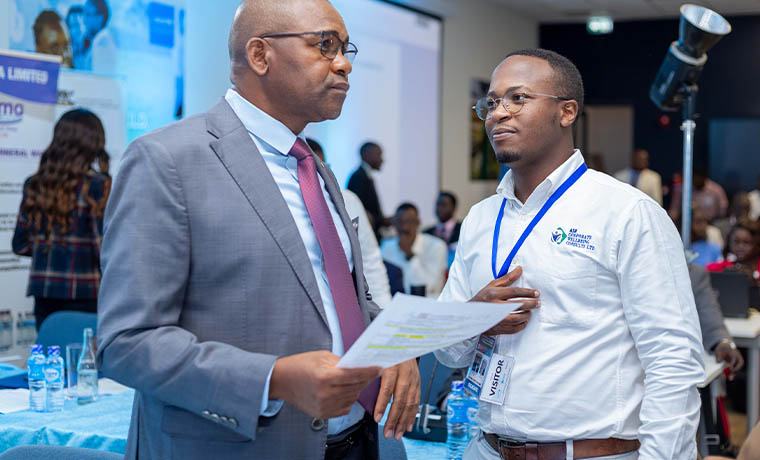
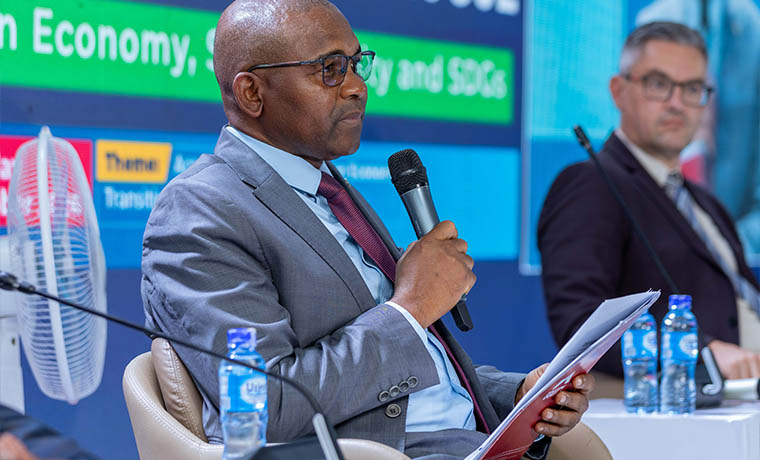
Equity Bank Uganda Managing Director Gift Shoko participated in a keynote panel discussion, underscoring the critical role of financial institutions in mobilising capital for renewable energy, climate-smart agriculture, clean cooking, water and sanitation, and sustainable enterprises.
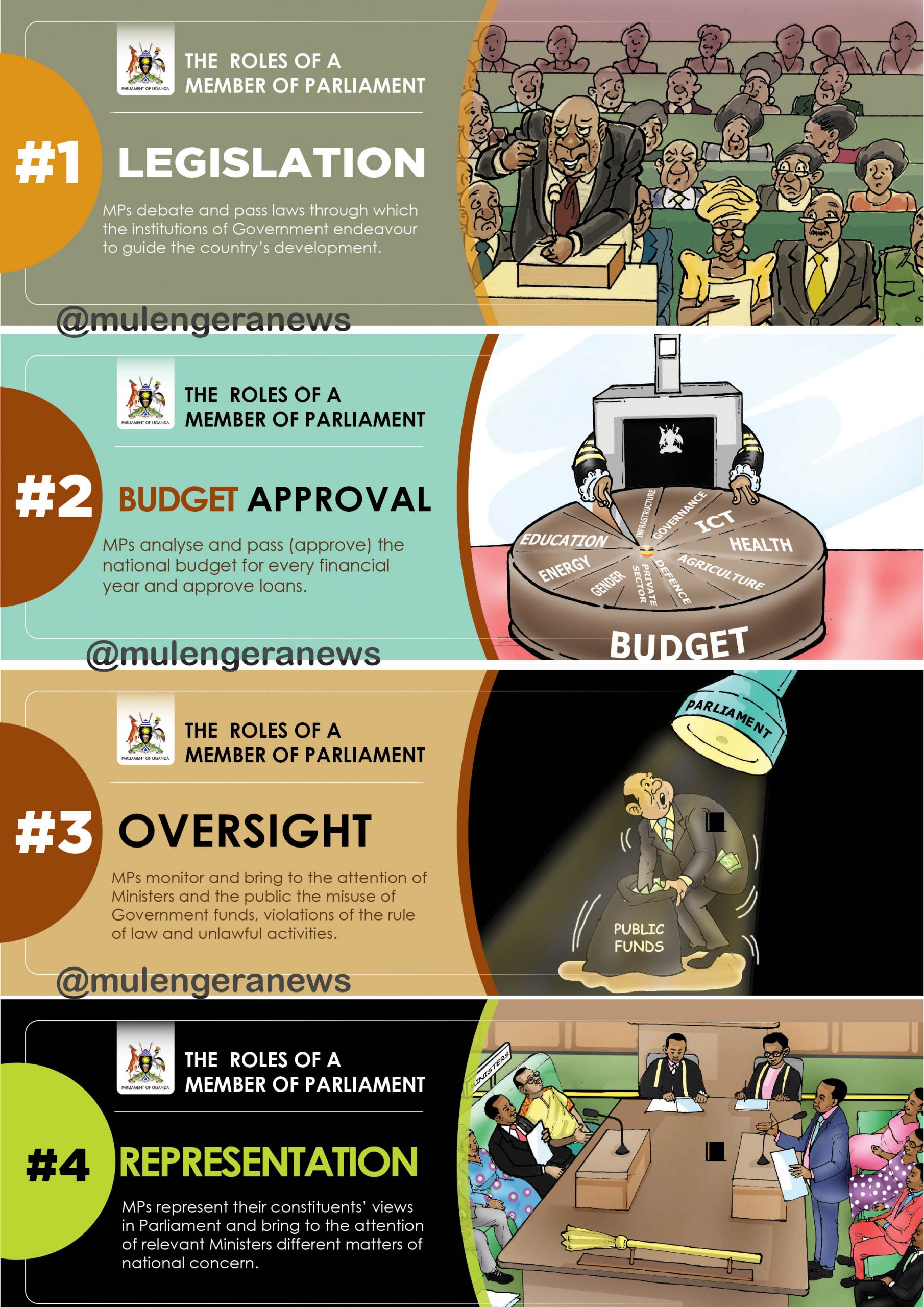
The meeting was graced by the Speaker of the Parliament of Uganda, Jackson Oboth-Oboth, as Keynote Speaker and Guest of Honour, alongside distinguished representatives from UNICEF, the World Bank, Heifer International and other institutions.
Mobilising finance for Uganda’s green transition
During the dialogue, Shoko outlined Equity Bank Uganda’s contributions to sustainable financing, highlighting the UGX 37.6 billion disbursed in green loans for climate finance. The Bank has also supported the sale of 157,035 clean-energy products and onboarded 18 clean-energy implementing partners, expanding access to sustainable energy solutions for households and businesses.

Through its partnership with the Uganda Energy Credit Capitalisation Company (UECCC), the Bank has further supported UGX 4.75 billion in green finance funds, strengthening opportunities for investment in clean energy and related solutions.
These interventions demonstrate Equity Bank Uganda’s commitment to using finance as a catalyst for sustainable transformation, enabling businesses and communities to adopt environmentally responsible practices while unlocking new opportunities for economic growth.
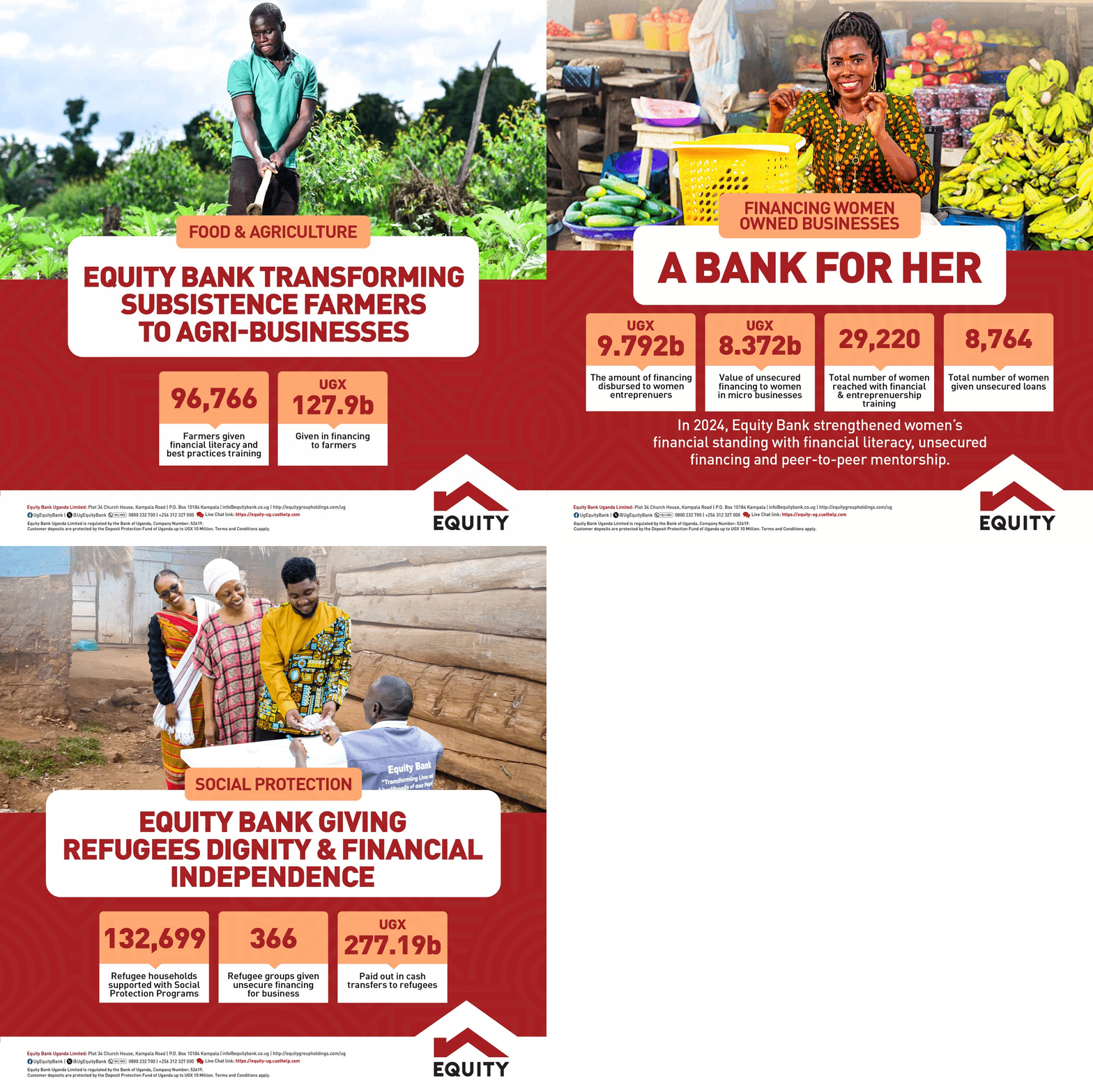
Shoko also highlighted Equity Group’s recent USD 200 million agreement to support smallholder farmers and micro and small enterprises through smart agriculture and related interventions. Uganda is expected to access approximately 25 per cent of this funding, equivalent to around USD 50 million, creating further opportunities to strengthen agricultural resilience, support enterprise development and improve livelihoods.
“The question is no longer whether Uganda can afford to invest in sustainability. The question is whether we can afford not to,” Shoko stated.
“At Equity Bank Uganda, we are committed to mobilising finance, expanding access to sustainable solutions and building the partnerships that will accelerate Uganda’s green transition. When government provides the enabling environment, the private sector innovates, development partners catalyse investment and financial institutions mobilise capital at scale, Uganda will not merely participate in the green economy, it can thrive through it.”
Investing in environmental sustainability
Beyond green financing, Equity Bank Uganda continues to champion environmental conservation through initiatives that encourage communities and young people to take an active role in protecting the environment.
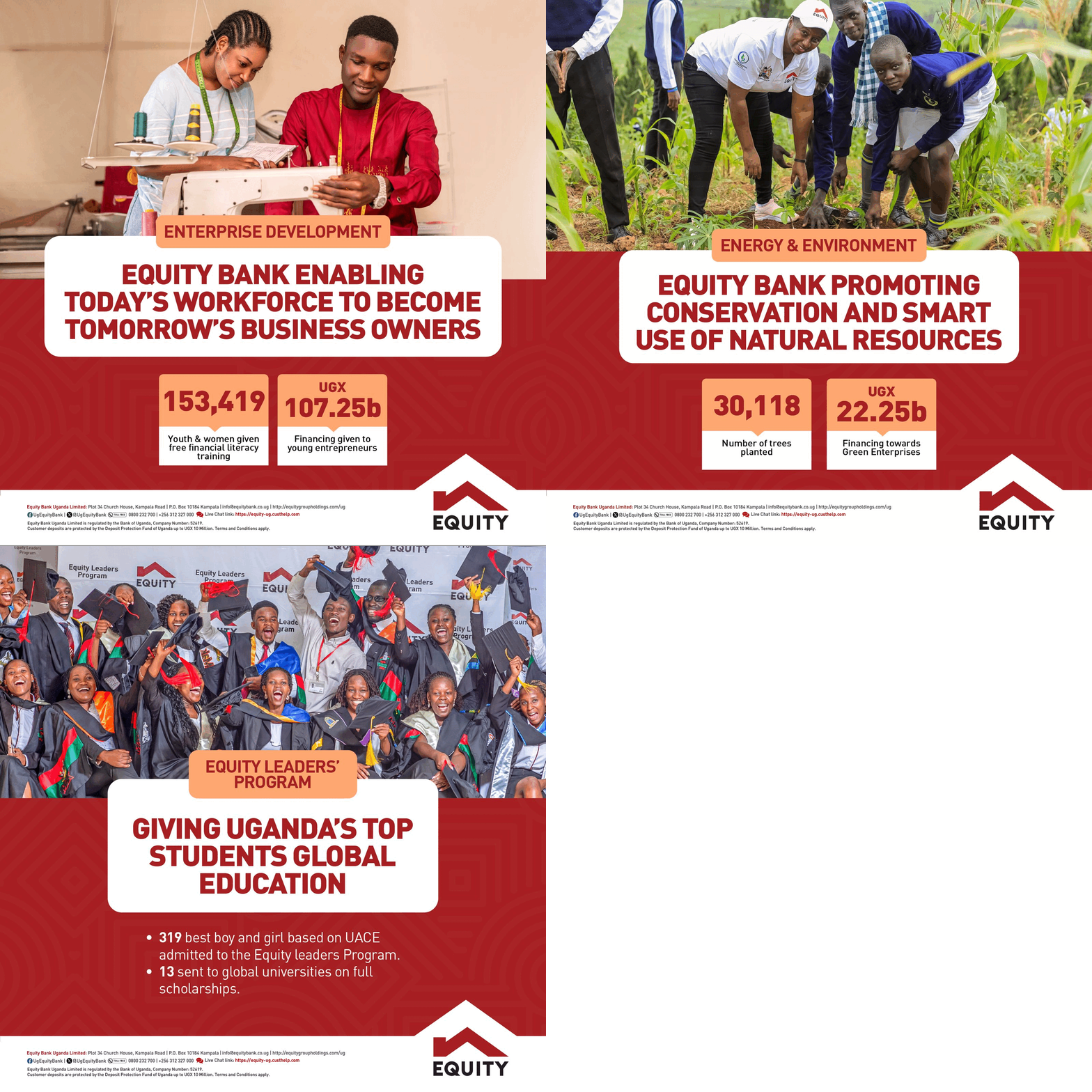
Through the Equity Green Schools Programme, the Bank is working towards planting 200,000 trees by 2027, promoting environmental awareness and nurturing a culture of sustainability among learners.
Previous initiatives include the planting of approximately 3,500 trees at Nakanyonyi Secondary School in Mukono during the programme launch, 1,500 trees at Kyasanku Hill College in Mpigi, and 1,000 trees at St. Julian Secondary School in Wakiso during a 2025 campaign. At Busoga College Mwiri, more than 43,000 indigenous trees have been planted across the school’s hill slopes.
The broader programme aims to plant 50,000 trees across 25 schools in 10 districts by the end of 2026, with additional initiatives, including school orchards, planned to sustain environmental stewardship.
These efforts complement the Bank’s green financing initiatives by connecting access to finance with responsible environmental management and the protection of natural resources for future generations.
Advancing inclusive and sustainable growth
The dialogue also examined how Uganda can balance green economy ambitions with the need for commercially viable projects capable of attracting investment at scale. Participants highlighted the growing effects of climate change, including rising temperatures and increasingly unpredictable rainfall, and the risks these pose to agriculture, livelihoods and national economic progress.
Calls were made for stronger protection of wetlands, restoration of degraded land, increased investment in renewable energy and greater use of digital technologies to improve energy management, expand clean-energy access and strengthen climate resilience.
Participants further emphasised that sustainability must extend beyond environmental protection to include employee wellness, financial inclusion and equitable economic opportunities for women and young people.
Equity Bank Uganda outlined its approach to institutionalising support for women and youth, expanding wellness partnerships, deploying the Young Africa Works framework and strengthening financial literacy and capacity development. Through its youth-focused interventions, the Bank has trained more than 100,000 young people, complementing skills development with access to appropriate financial solutions.
The discussions reinforced the need to scale successful interventions beyond individual organisations through stronger public-private partnerships, coordinated investment and practical policies that enable sustainable enterprises to thrive.
Partnerships to accelerate Uganda’s green economy
The meeting brought together key stakeholders, including the Office of the Prime Minister, Go Green, the Uganda Communications Commission, the International Organization for Migration, UNICEF, Enabel, Uganda Railways, NEC Uzima Limited and the Uganda Printing and Publishing Corporation, among others.
Participants underscored the importance of collaboration among government, financial institutions, businesses and development partners in mobilising sustainable investment and moving from individual projects to solutions capable of delivering national-scale impact.
For Equity Bank Uganda, the engagement reinforced the importance of directing capital towards initiatives that generate lasting economic and environmental benefits while expanding opportunities for individuals, households and enterprises.
As a proud sponsor and partner of the 3rd CEOs’ Breakfast Meeting and High-Level Dialogue, Equity Bank Uganda reaffirmed its commitment to using finance as a force for sustainable transformation, in line with its purpose of transforming lives, giving dignity and expanding opportunities for wealth creation for the people of Uganda.
Through its green lending portfolio, clean-energy partnerships, environmental initiatives and investment in financial literacy, the Bank continues to champion a development pathway in which economic prosperity, social inclusion and environmental sustainability reinforce one another.
The message from the dialogue was clear: accelerating Uganda’s green transition will require more than ambition. It will require bankable projects, sustained investment, technological innovation and strategic partnerships that turn commitments into tangible results for people, businesses and the environment. (For comments on this story, get back to us on 0705579994 [WhatsApp line], 0779411734 & 041 4674611 or email us at mulengeranews@gmail.com).