






By Guest Writer
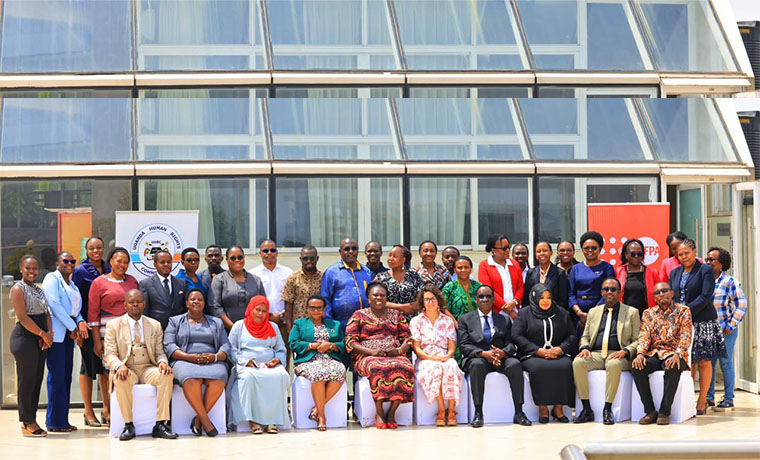
At Protea Hotel Skyz, Naguru, Members of Parliament nodded as facilitators preached dignity, equality, decent work and fair pay for all.
Just 8 kilometres away, the people who drive them to Parliament, research their speeches and manage their constituencies are surviving on what many describe as exploitation.
The training on the Human Rights-Based Approach (HRBA) to service delivery, organized by the Uganda Human Rights Commission (UHRC) with support from UNFPA Uganda, was meant to turn Parliament into a guardian of human rights. But the guardian is on the spot for failing at home.
Interviews and accounts from parliamentary support staff reveal a grim reality:

Most drivers are paid between Shs 200,000 and Shs 300,000 per month – despite working up to 16 hours a day, six days a week, on dangerous upcountry roads.

Research Assistants and Personal Assistants earn between Shs 500,000 and Shs 800,000, with no written contracts, no NSSF, no medical cover and no job security. Many can be dismissed by a phone call.
In a city where a single room in Kireka or Kyebando now costs Shs 300,000 and a 2-bedroom costs Shs 600,000, the figures mean many cannot afford rent, let alone school fees.
Opening the training on behalf of UHRC Chairperson Hon. Mariam Wangadya, Commissioner Hon. Omara Apitta Lamex told MPs that peace and development depend on how deeply human rights permeate all parliamentary work.

“For Parliaments to effectively fulfil their role as guardians of human rights, specific criteria must be met, and safeguards established, specifically the application of HRBA to all legislative processes,” he said.
Terego Woman MP Hon. Rose Obigah, speaking for the Human Rights Committee Chairperson, urged legislators to call out violations regardless of perpetrators. “Human rights starts with love for humanity,” she said.
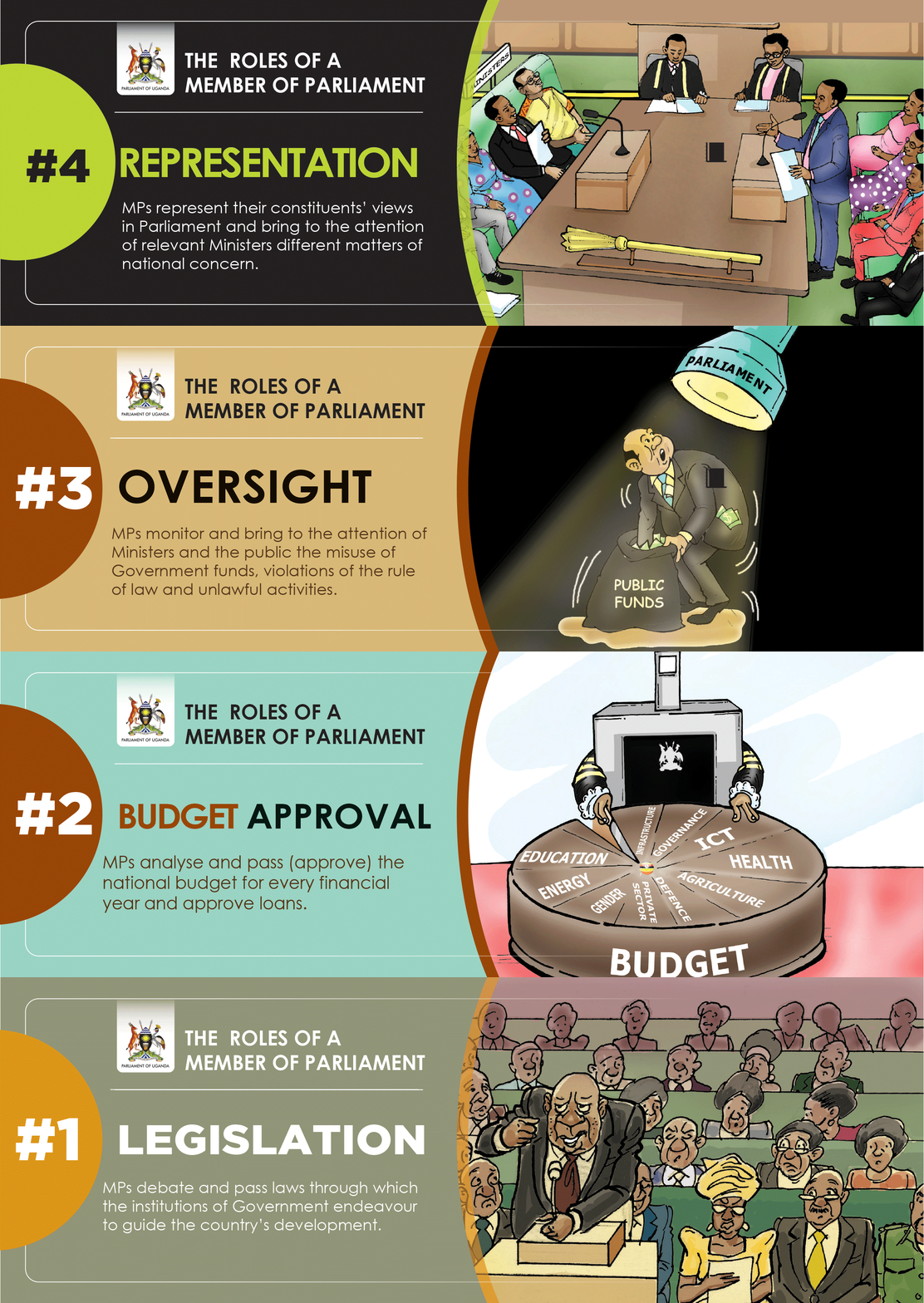
UNFPA Programme Coordinator Ms. Laura Criado Lafuente tasked MPs to ensure laws like the Prohibition of Female Genital Mutilation Act, 2010 are implemented. UHRC Ag. Secretary Mr. Bernard Kamadi said Parliament’s work in legislation, oversight and budgeting must respond to the vulnerable and marginalised.
Yet the most vulnerable, critics argue, are within Parliament itself.
A driver earning Shs 250,000 cannot afford fuel to take his own child to hospital. A Research Assistant earning Shs 600,000 drafting a human rights report cannot afford to pay his own rent with dignity. Both work without a contract to challenge unfair dismissal.
“This is the textbook definition of indecent work. No contract means no security. Shs 200,000 for a driver in Kampala in 2025 is not a wage, it is a human rights violation in itself,” said one human rights defender familiar with the matter.
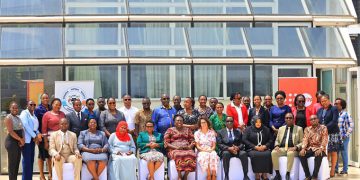
The training drew MPs including Hon. Lillian Ruteraho, Hon. Shyaka Gashaija, Hon. Dr. Sylvia Tumuheirwe Alinaitwe, Hon. Simon Peter Okwalinga, and Hon. Janet Auma, alongside Commissioners Hon. Shifrah Lukwago, Hon. Jacklet Rwabukurukuru, Mr. Crispin Kaheru and Hon. Simeo Nsubuga.
The UHRC says it wants human rights principles of participation, accountability, non-discrimination and empowerment mainstreamed. Staff now ask that those principles start in the offices of the MPs who were trained.
Until a driver gets at least a written contract and a living wage, and a Research Assistant gets NSSF and job security, the HRBA training at Skyz will remain, for many in Parliament’s corridors, a talk shop. (For comments on this story, get back to us on 0705579994 [WhatsApp line], 0779411734 & 041 4674611 or email us at mulengeranews@gmail.com).