






By Ben Musanje
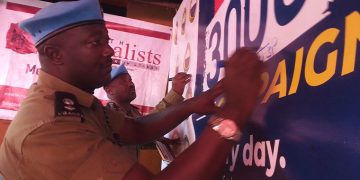
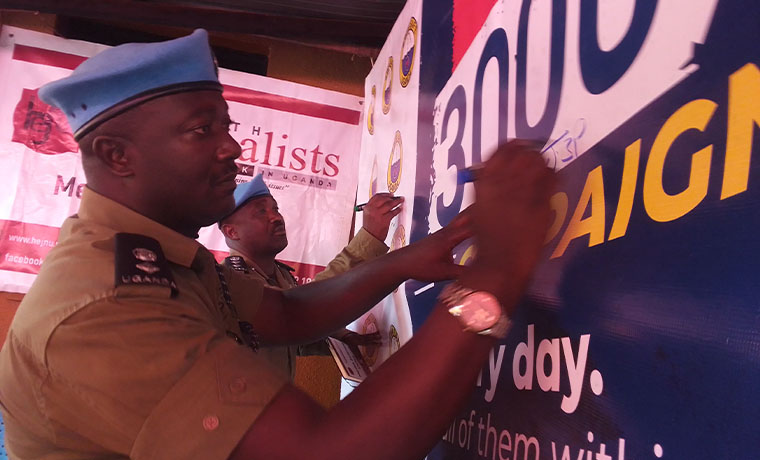
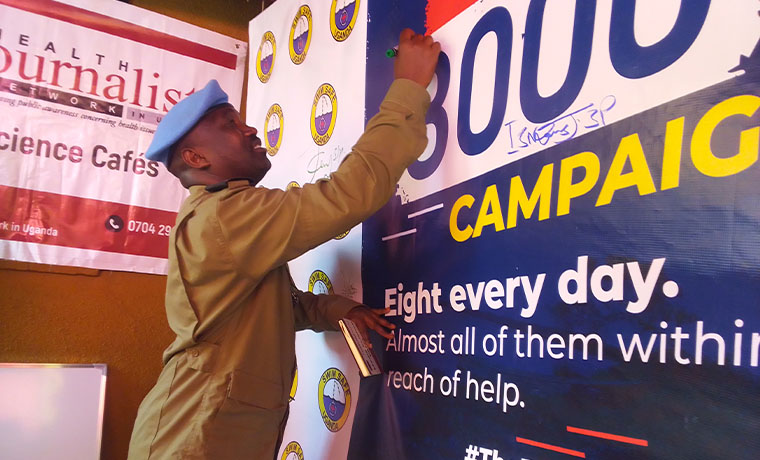
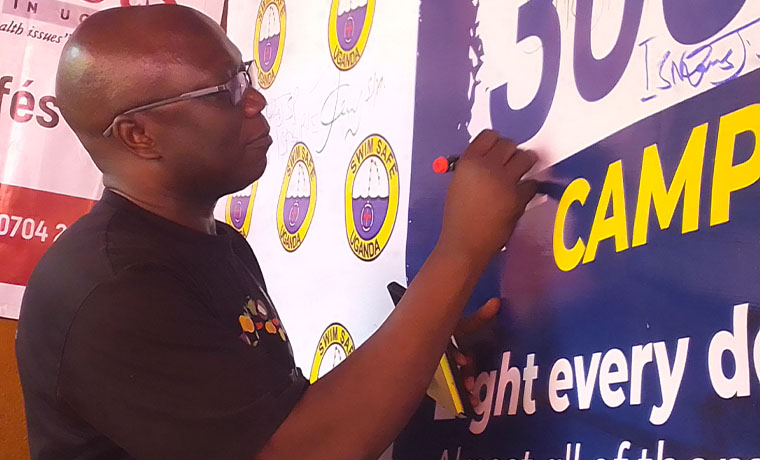
Swim Safe Uganda has launched “The 3000”, a nationwide campaign aimed at raising awareness about preventable drowning deaths and mobilising resources to strengthen water safety, rescue and emergency response across Uganda.
The campaign brings together government agencies, civil society organisations, health professionals, communities and the media to confront what stakeholders describe as a major but largely preventable public safety crisis.
According to figures cited during the launch, more than 3,000 Ugandans drown every year, translating to an average of about eight deaths every day.

Moses Kalanzi, Executive Director of Swim Safe Uganda, said the organisation’s work over the past 15 years has focused on ensuring safety in, on and around water through education, prevention and rescue.
“The burden of drowning is really high in Uganda,” Kalanzi said, attributing the risk partly to the country’s geography, where communities frequently have to cross streams, rivers and other water bodies.
He noted that a significant portion of Uganda is covered by water, with communities in island and lakeside districts such as Buvuma and Kalangala particularly exposed.
Kalanzi said Swim Safe Uganda was formed by lifesavers and people passionate about swimming and water safety, with the organisation initially focusing on urban areas before shifting its attention to lakeside communities where drowning was found to be a major public health concern.

Research by Makerere University in 2016 highlighted the scale of the problem in lakeside communities, helping to inform Swim Safe Uganda’s community-based approach.
Rather than simply distributing safety equipment, Kalanzi said the organisation has worked to empower communities to take ownership of drowning prevention.
The organisation, working with the Marine Police and Fire and Rescue services, has trained more than 1,900 community members in swimming, rescue and pre-hospital care.
“We said, how can the community mobilise themselves to tackle the problem?” Kalanzi said, emphasising the importance of equipping people living near water with practical skills to respond to emergencies.
He also raised concerns about the quality of life jackets available on the Ugandan market, noting that the absence of a national standard has made it difficult for consumers to distinguish between effective and inadequate equipment.
Police: Uganda needs a coordinated response
Senior Superintendent of Police Bashir Siriba, National Coordinator of the National Drowning Prevention Programme, said the government recognizes drowning as a serious national concern requiring a coordinated response.
Siriba said the programme, operating under the Ministry of Internal Affairs, brings together about 12 government ministries, civil society organisations, development partners and other stakeholders to coordinate drowning prevention efforts.
The Marine Police conducts patrols and surveillance on water bodies and responds to emergencies. Siriba said the public can report water-related emergencies through the toll-free number 0800-300-113.
He said response teams generally aim to reach emergency scenes within about 20 minutes, although response times can vary depending on location, weather and conditions on the water.
Government is also working on strengthening policies, regulations and enforcement mechanisms governing safety on Uganda’s inland waters.
Siriba said authorities are developing a strategic work plan to consolidate the efforts of ministries, departments and agencies involved in drowning prevention, while the Ministry of Works is working on regulations aimed at improving enforcement of safety standards on Uganda’s waters.
Resuscitation skills can mean the difference between life and death
The campaign also puts emphasis on what happens after a drowning victim is pulled from the water.
Cliff Asher Aliga, Public Relations Officer of the National Resuscitation Council of Uganda (NRCU) said victims need immediate and appropriate care to increase their chances of survival.
He said the council is working to ensure that people living near water bodies—including boat operators, traders, students and other community members—have basic emergency response skills.
The council trains community members to become first responders, equipping them with basic skills to assist victims before professional medical help arrives.
“You don’t have to be a medical person,” Aliga said, explaining that basic resuscitation skills can be learnt by ordinary members of the public.
The council has already trained more than 5,000 people nationwide, with plans to expand training and make resuscitation skills mandatory for health workers.
Aliga said the council is also developing guidelines to strengthen emergency response training and expects to have the required systems in place within a year.
He said health workers trained in basic emergency care will also be expected to extend their knowledge to communities surrounding their facilities, including those living near water bodies.
A call for collective action
The launch, held during an Anti-drowning Media Café organized by the Health Journalists Network in Uganda (HEJNU) at its offices in Kamwokya along Kira road, brought together journalists, experts, government officials, civil society actors and community representatives.
Participants discussed the causes of drowning, the communities and groups most at risk, and practical measures that could help prevent deaths.
For Swim Safe Uganda, The 3000 is ultimately a call for Ugandans to recognise drowning as a shared national problem rather than an unavoidable tragedy.
Kalanzi urged communities to take responsibility for protecting one another, arguing that the solution does not solely depend on government or international organisations.
The campaign will seek to mobilise public support and resources for education, prevention, rescue and emergency response interventions, with the ultimate goal of reducing the thousands of drowning deaths recorded in Uganda each year. (For comments on this story, get back to us on 0705579994 [WhatsApp line], 0779411734 & 041 4674611 or email us at mulengeranews@gmail.com).