







By Guest Writer
Uganda’s energy transition and infrastructure ambitions will require more than the availability of capital. Stronger partnerships between financial institutions, development partners and government will be critical to unlocking the long-term financing needed to deliver transformational projects, according to Moses Malinga, Sector Head – Infrastructure and Energy at dfcu Bank.
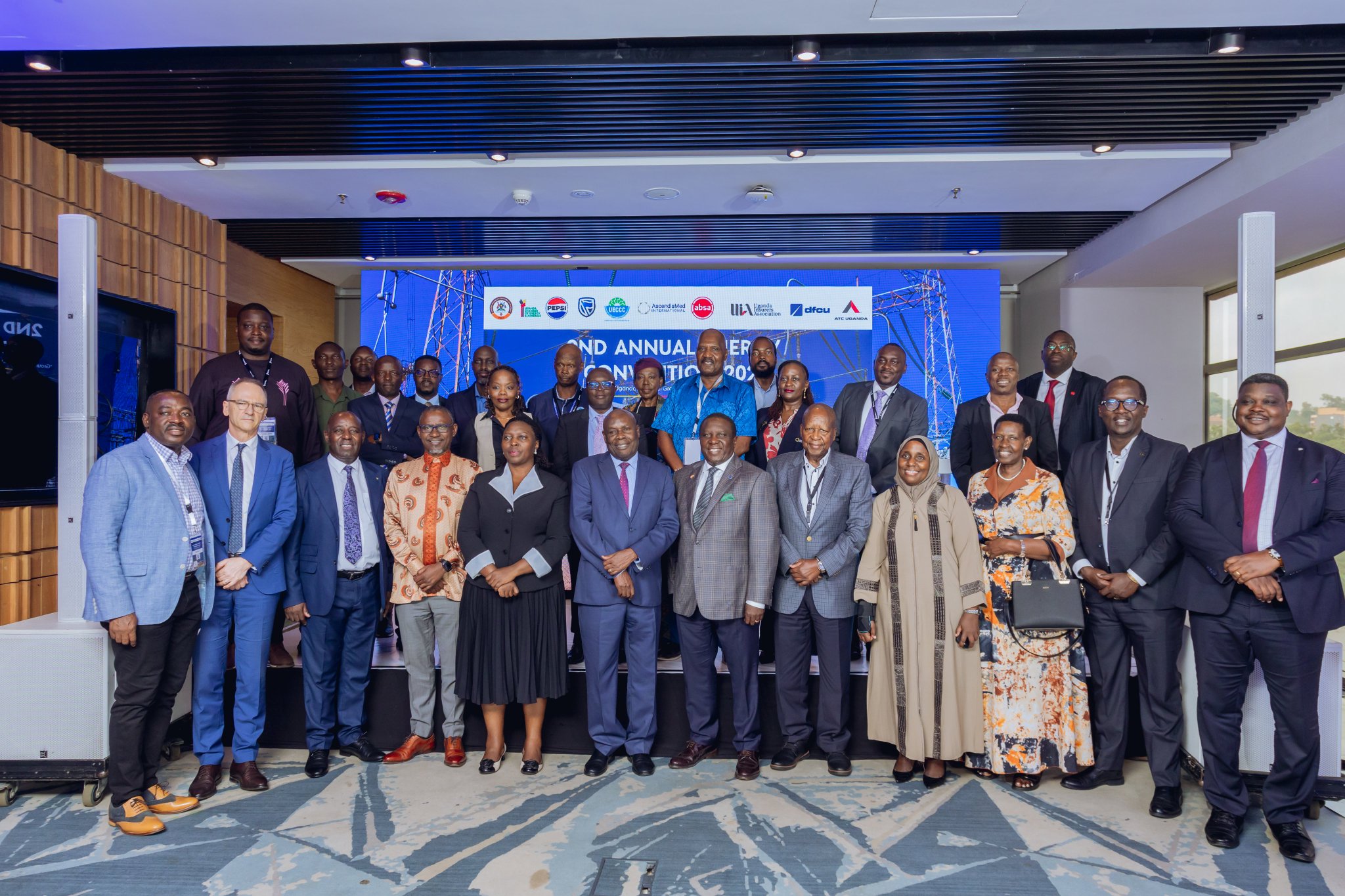
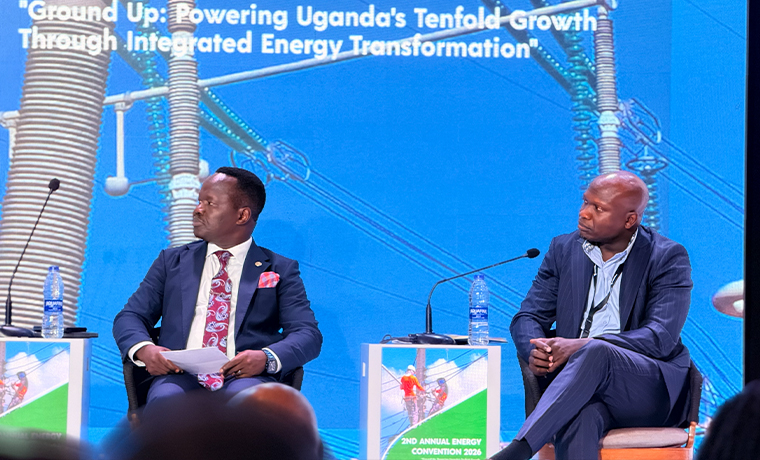
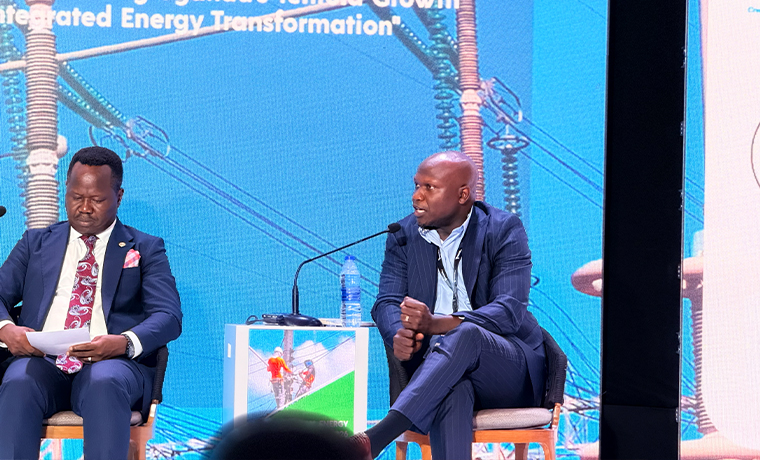
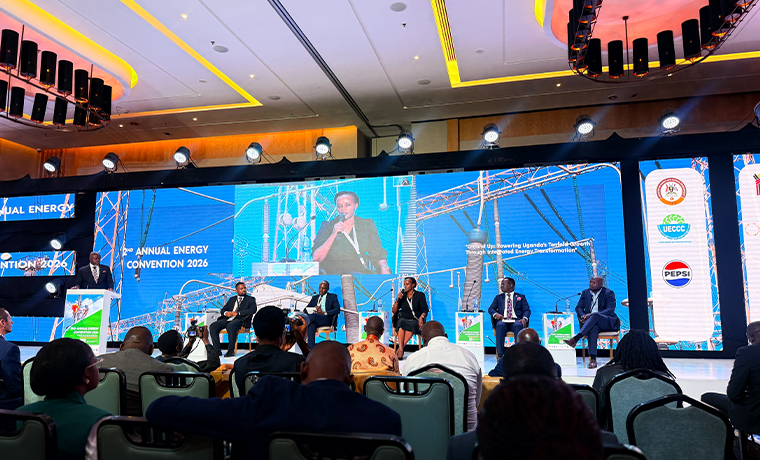
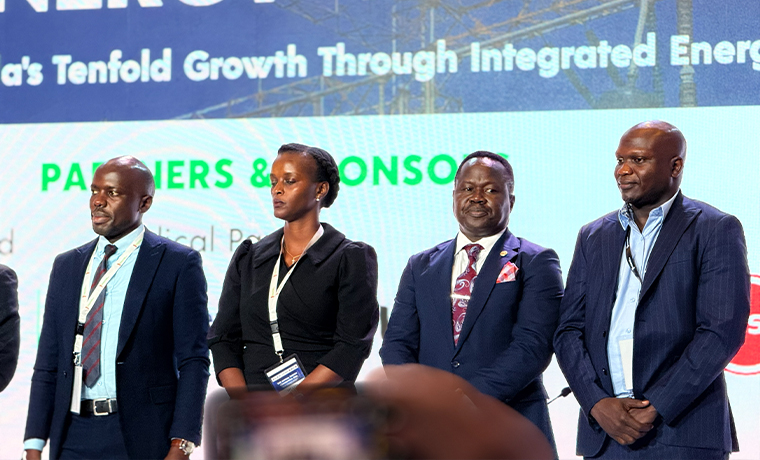
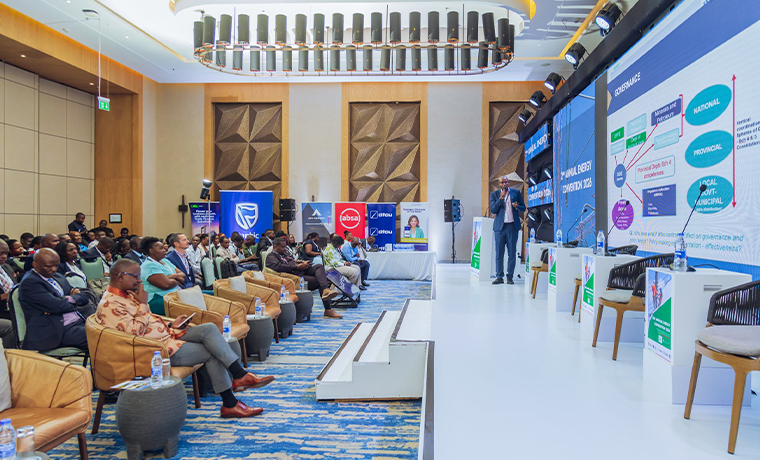
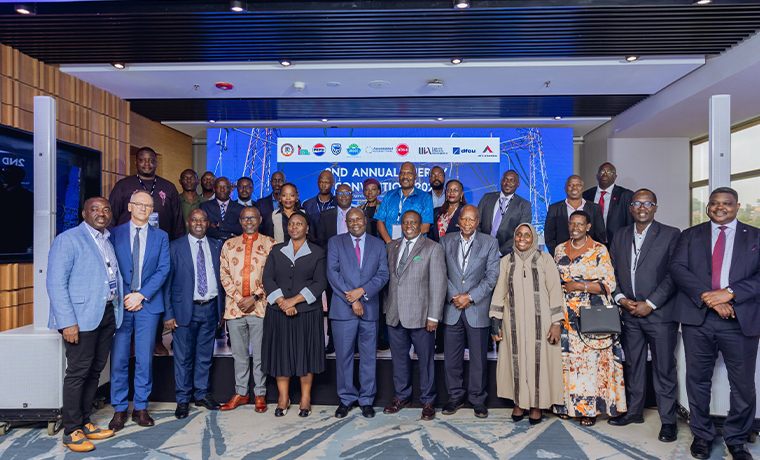
Speaking at the 2nd Annual Energy Convention 2026 held at Four Points by Sheraton in Kampala, Malinga outlined the financing reforms and collaborative mechanisms needed to enable commercial banks to play a greater role in supporting Uganda’s infrastructure, energy and industrialisation agenda.
His remarks were made during a panel discussion moderated by Samuel Ocanya, which examined domestic bank capacity for project finance, blended financing instruments and Uganda’s evolving green finance ecosystem.

Malinga noted that one of the biggest challenges facing commercial banks is the mismatch between the short-term nature of most bank funding and the long-term capital requirements of infrastructure and energy projects.
“Access to long-term financing remains one of the biggest constraints for commercial banks. Infrastructure projects require patient capital, sophisticated technical risk assessment and financing structures that often extend well beyond traditional lending tenors.”
Despite these challenges, Malinga said dfcu Bank has continued to support complex infrastructure and energy projects through strategic partnerships with Development Finance Institutions (DFIs).
He explained that co-underwriting arrangements with DFIs enable the bank to participate in projects that may otherwise exceed the capacity or risk appetite of a single commercial lender. These partnerships provide access to longer-term funding while strengthening project appraisal through shared expertise, helping commercially viable projects reach financial close.

“Blended financing structures are becoming increasingly important in supporting Uganda’s development priorities. Partnerships between commercial banks and development finance institutions allow us to mobilise larger pools of capital while managing risk responsibly.”
Malinga also highlighted the growing role of portfolio guarantees in attracting greater private sector participation in infrastructure financing. By mitigating construction, operational, market and regulatory risks, guarantee mechanisms give lenders greater confidence to finance projects that would traditionally fall outside conventional lending parameters.
“Effective risk management remains fundamental to sustainable project financing. Risk-sharing instruments are essential if we are to unlock the level of investment required to support Uganda’s energy transition.”
He added that successful infrastructure financing begins with identifying bankable projects supported by robust financial models, clear revenue streams and strong commercial viability.
Beyond the banking sector, Malinga called for continued government action to strengthen the enabling environment for long-term infrastructure finance. He cited infrastructure bonds, supportive regulatory frameworks and innovative financing instruments as critical tools for deepening domestic capital markets and attracting private investment.
As Uganda accelerates investment in energy generation, transmission infrastructure, mineral development and industrialisation, he said policy support will remain vital in lowering financing costs and crowding in private capital.
The convention also examined Uganda’s broader blended finance agenda, including plans to expand the Green Energy Facility and Guarantee Fund to USD 800 million by 2030. Discussions focused on reducing the cost of capital, strengthening institutional risk appetite and deploying guarantee mechanisms to unlock greater private sector investment.
Participants also explored emerging opportunities under Uganda’s Green Bond Framework, which is currently under development. Discussions highlighted the regulatory reforms, investable project pipeline and investor confidence required to support the country’s inaugural green bond issuance.
Attention further turned to carbon finance as a future source of sustainable development funding under Uganda’s Energy Compact. With carbon revenues expected to support the Green Energy Facility and clean cooking programmes from 2029, alongside the rollout of the Article 6 framework and a regional renewable energy certification platform by 2027, stakeholders agreed that carbon markets have the potential to become a significant long-term financing mechanism for Uganda’s green transition.
The discussions reinforced the importance of collaboration across government, financial institutions, development partners and the private sector in mobilising the capital needed to deliver sustainable infrastructure and accelerate Uganda’s transition to a low-carbon economy. (For comments on this story, get back to us on 0705579994 [WhatsApp line], 0779411734 & 041 4674611 or email us at mulengeranews@gmail.com).