






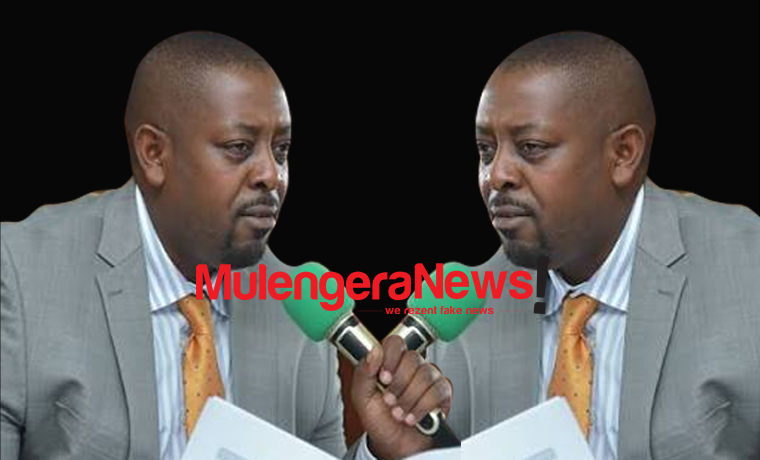
By Ben Musanje
Kazo County Member of Parliament Dan Kimosho has stirred debate over parliamentary decorum after humorously warning colleagues that modern media scrutiny and constant camera surveillance are increasingly exposing MPs’ personal habits, including yawning, eating behavior and other conduct in committee sittings, which he said is damaging Parliament’s public image.
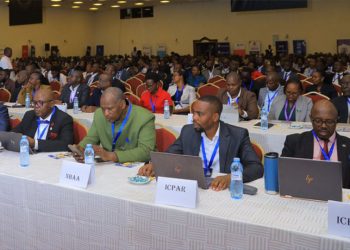
Kimosho made the remarks while moderating a session at the induction seminar for Members of the 12th Parliament held at Speke Resort Munyonyo on Saturday, shortly after a presentation by the Parliament of Uganda’s Department of Communication and Public Affairs (CPA).
The presentation, delivered by Grace Gidudu, Assistant Director for Communication and Public Affairs, focused on the relationship between Parliament and the media, urging MPs to build strong communication skills, manage their public image and engage journalists more strategically in the digital age.

Gidudu emphasized that Parliament operates an open-door media policy, accredited more than 200 journalists under the Uganda Media Parliamentary Press Association, and actively promotes visibility of both the institution and individual legislators. She also warned MPs that while media exposure can elevate political careers, it can also quickly damage reputations if not handled carefully.

However, it was Kimosho’s intervention that injected humor and controversy into the session after, as he reflected on how parliamentary conduct is increasingly being captured and circulated by media houses and social media users.
He observed that cameras positioned in Parliament and committee rooms often pick up unintended moments, including MPs yawning during proceedings, picking their noses, or engaging in distractions, which then become viral content and define public perception of the legislature.
According to him, such isolated images, though seemingly minor, often overshadow substantive contributions MPs make during debates.

He also referenced concerns raised in previous parliamentary discussions about food served in committees, joking that MPs sometimes take large portions at once, only for such moments to be captured by cameras and later used to ridicule the institution in the media.
Kimosho suggested that while such habits may appear trivial within Parliament, they contribute to a growing perception problem when broadcast to the public without context. He cautioned that even small etiquette issues, when repeatedly highlighted, collectively undermine the dignity of the House.
He further noted that media houses tend to focus on visually striking or humorous moments rather than the full context of parliamentary work, which can distort public understanding of MPs’ responsibilities.
The Kazo County MP stressed that Parliament, as a collective institution, must take responsibility for maintaining discipline and professional conduct, arguing that individual behaviour directly affects the credibility of the entire legislature.
He warned that what he described as “small etiquette issues” are increasingly becoming a parliamentary concern because they are shaping negative public narratives about MPs, even when the majority are engaged in serious legislative work.
The remarks followed a detailed presentation by CPA officials who had urged MPs to embrace strategic communication, warning that failure to manage media engagement could expose them to reputational risks.
Gidudu had advised legislators to prepare thoroughly before media appearances, avoid speaking on subjects they do not understand, and develop consistent communication identities in order to build credibility with both journalists and the public.
She also encouraged MPs to use Parliament’s strong media infrastructure, including its accredited press pool and communication experts, to strengthen their public engagement.
Kimosho echoed parts of the presentation, particularly the warning that media exposure can either elevate or destroy political careers depending on how MPs conduct themselves in public spaces and on camera.
He emphasized that in the digital era, every parliamentary moment is potentially permanent, with online platforms preserving images and videos that can resurface years later and influence public perception.
The moderator’s comments drew mixed reactions among participants, with some MPs reportedly nodding in agreement, while others appeared amused by the candid tone of his remarks.
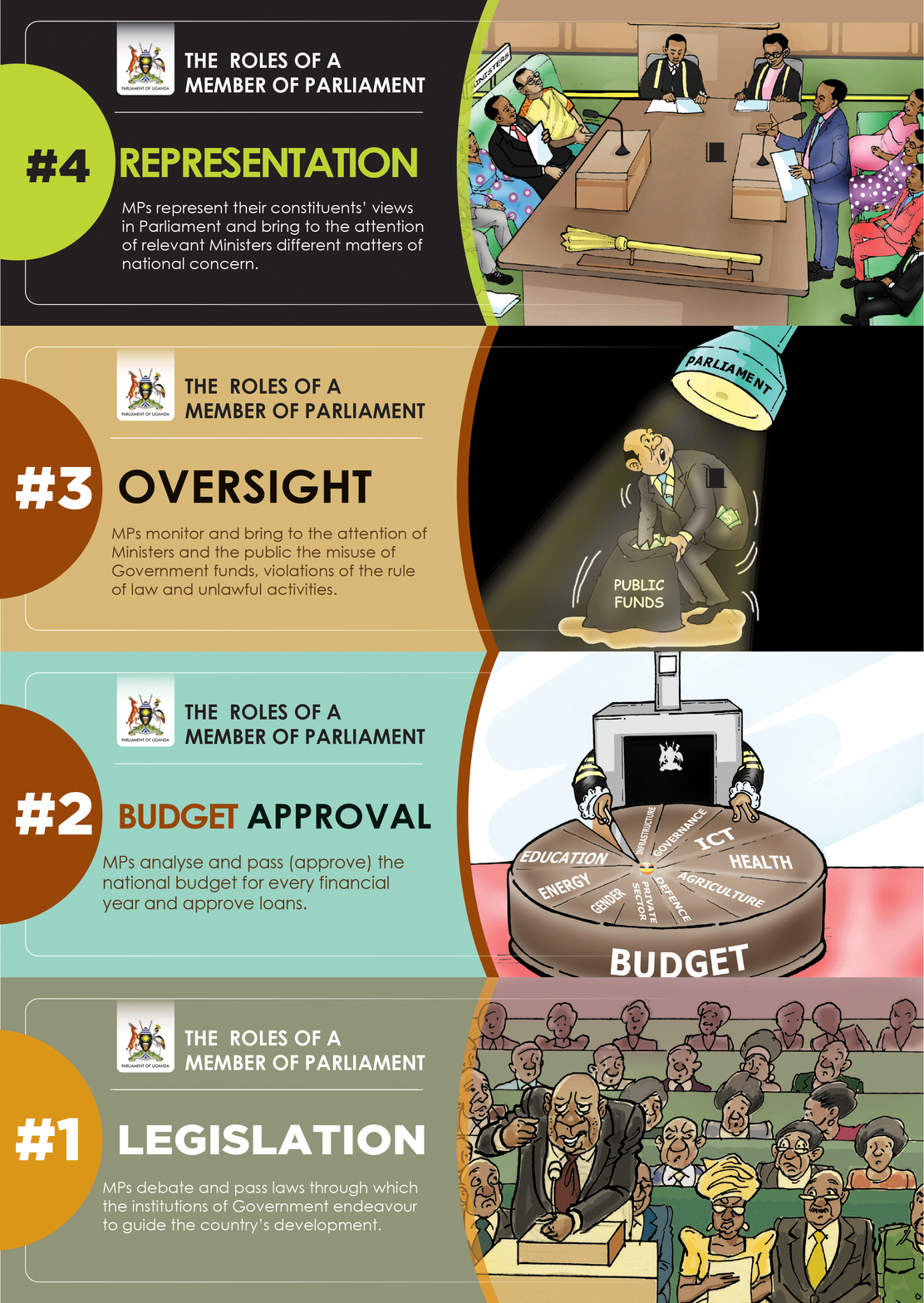
The induction seminar is part of a broader orientation programme aimed at equipping newly elected Members of Parliament with institutional knowledge, procedural understanding and communication skills necessary for legislative work.
Parliament officials say such sessions are intended to help MPs navigate both their legislative responsibilities and their increasingly complex relationship with the media, which has become a central force in shaping public accountability and political narratives.
While Kimosho’s remarks were delivered in a light-hearted tone, they underscored a deeper concern within Parliament about image management in an era where even the smallest gestures can become national headlines within minutes. (For comments on this story, get back to us on 0705579994 [WhatsApp line], 0779411734 & 041 4674611 or email us at mulengeranews@gmail.com).