











By Ben Musanje
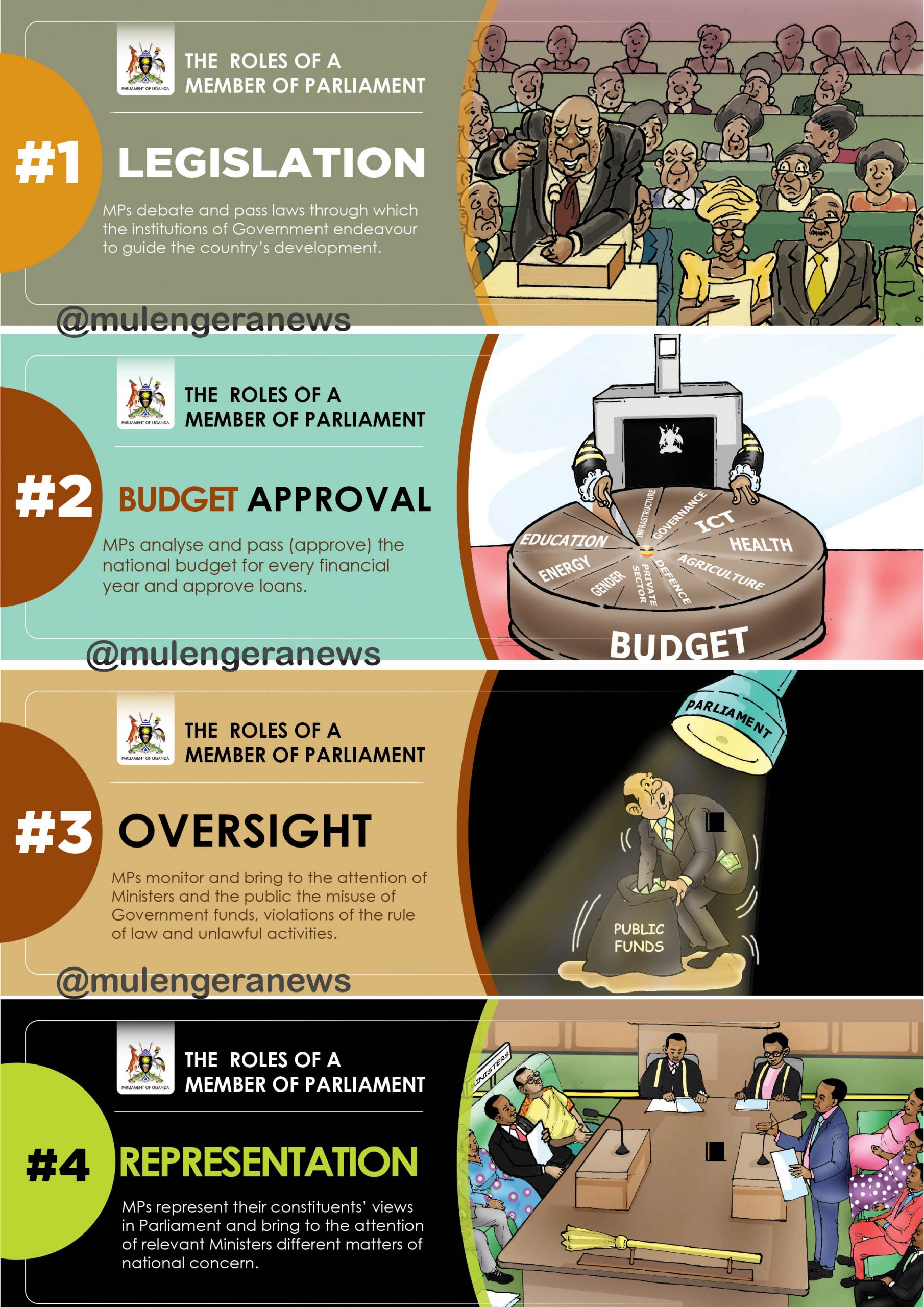
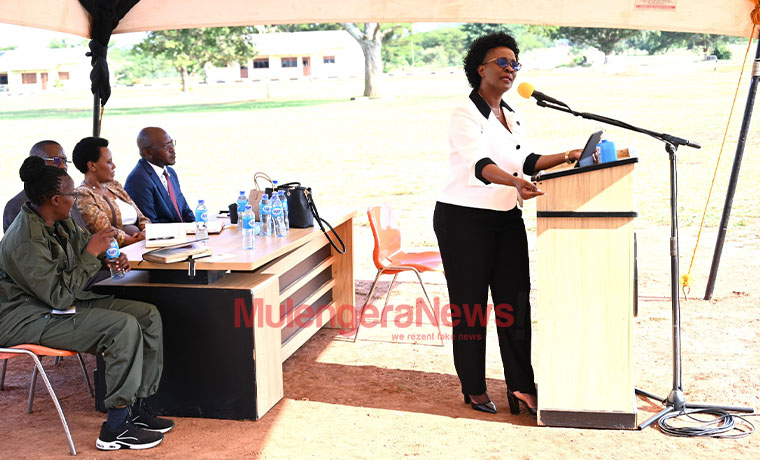
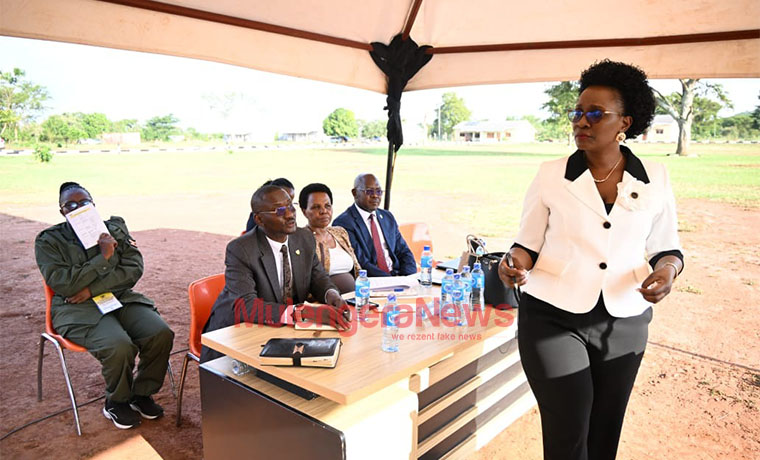
The Deputy Inspector General of Government, Anne Twinomugisha Muhairwe, has called for urgent and decisive action to eliminate corruption, abuse of office and impunity in public service, warning that the vice remains one of the biggest threats to Uganda’s socio-economic transformation agenda.
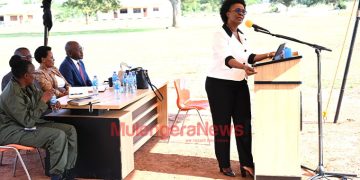
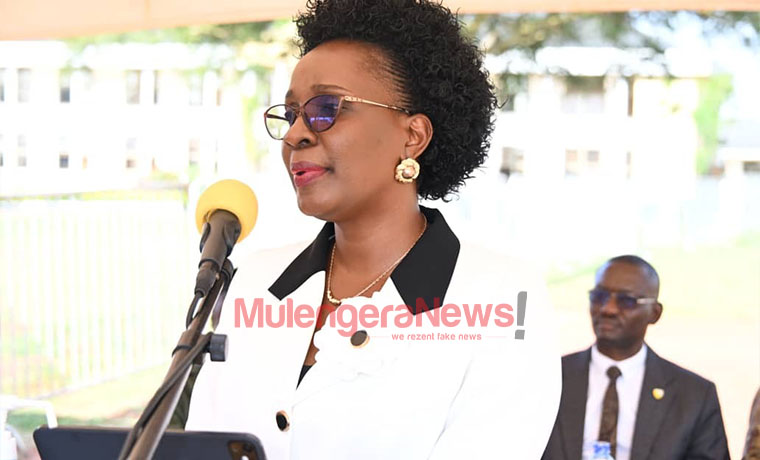
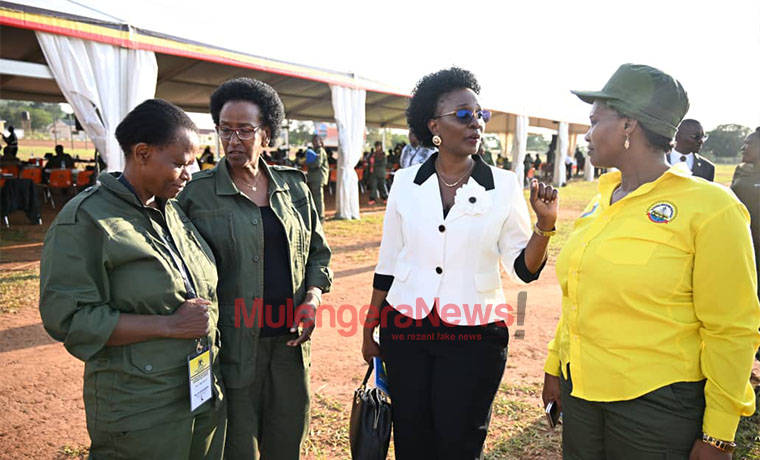
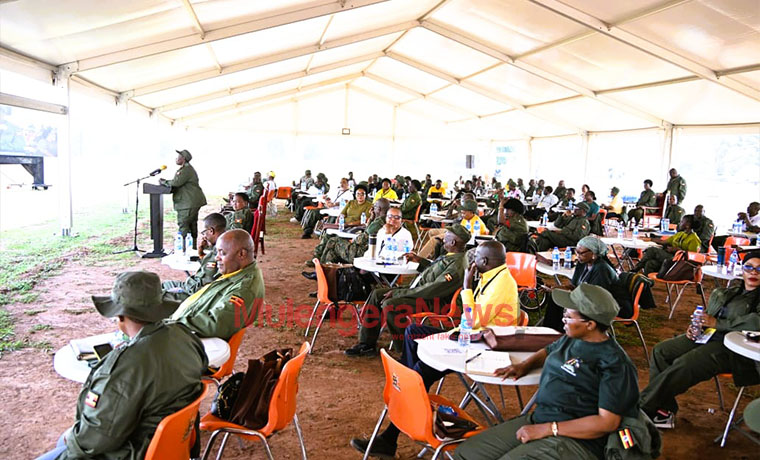
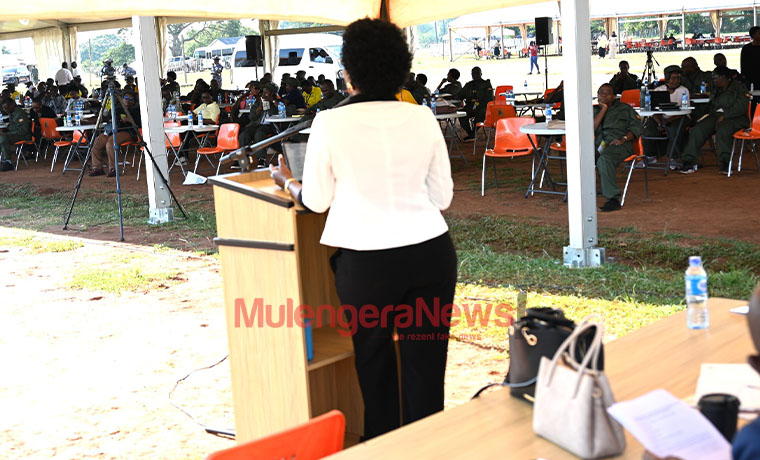
Addressing the induction retreat of newly appointed Cabinet Ministers at the National Leadership Institute (NALI) in Kyankwanzi on June 19, 2026, Muhairwe emphasized that the fight against corruption is not merely a legal obligation but a leadership responsibility critical to achieving national development goals.
“Corruption, abuse of office, and impunity in government must stop. Kisanja hakuna ufisadi,” she said, using the commonly quoted Swahili phrase meaning “there is no term for corruption,” which underscored the government’s renewed commitment to zero tolerance for graft.

She congratulated the new ministers on their appointment, describing Cabinet positions as one of the highest expressions of public trust, and urged them to recognize the weight of responsibility that comes with shaping policies that affect millions of Ugandans.

Muhairwe warned that despite Uganda’s economic opportunities—including the Tenfold Growth Strategy, oil production, and industrialization—corruption continues to undermine service delivery, investor confidence, and public trust in government institutions.
Citing the 2025 Afrobarometer survey, she noted that 66 percent of Ugandans believe corruption has increased, while 73 percent feel government’s performance in fighting graft is poor. She said these perceptions must be urgently addressed through stronger accountability and leadership discipline.
“Corruption is not only a criminal justice issue. It is an economic issue, a governance issue, and most importantly, a leadership issue,” she said.

IGG MANDATE AND ACCOUNTABILITY ROLE
The Deputy IGG outlined the constitutional mandate of the Inspectorate of Government (IG), established under Chapter Thirteen of the Constitution, which includes fighting corruption, enforcing the Leadership Code, and addressing maladministration.
She explained that the IG performs four key functions: the Ombudsman role, anti-corruption enforcement, leadership code enforcement, and public education.
Under the Ombudsman function, she said the IG has handled cases involving delayed salaries, absenteeism, unfair treatment of citizens, recruitment irregularities, and non-payment of pensions. In recent years, she revealed, the institution has caused the dismissal of 490 officers and facilitated payment of over UGX 13.5 billion to affected citizens.
On anti-corruption enforcement, Muhairwe said the IG investigates offences such as bribery, embezzlement, abuse of office, and conflict of interest. She disclosed that over the past five years, 203 public officers have been prosecuted, while assets and funds worth UGX 38.9 billion have been recovered.
She also highlighted the enforcement of the Leadership Code, noting that 263 leaders have been prosecuted before the Leadership Code Tribunal, with 23 demoted and 240 fined for non-compliance and ethical violations.
Muhairwe further reminded ministers and public officers of their legal obligation to declare assets, income, and liabilities, warning that failure to comply may result in sanctions including fines, removal from office, and disqualification from public service.
PUBLIC SERVICE CULTURE AND SYSTEMIC WEAKNESSES
The Deputy IGG raised concern over what she described as a growing normalization of corruption in public service, warning that practices such as absenteeism, ghost workers, inflated contracts, procurement manipulation, and unexplained wealth are eroding governance systems.
She cited Uganda’s declining Corruption Perceptions Index performance, noting that the country scored 25 percent in 2025, ranking 148 out of 182 countries globally—below regional peers such as Rwanda, Kenya, and Tanzania.
“This reflects a need for stronger accountability systems, ethical leadership, and consistent enforcement of the law,” she said.
Muhairwe further warned that corruption results in poor service delivery, capital flight, increased poverty, weak institutions, insecurity, and rising public distrust in government.
CALL FOR MINISTERIAL LEADERSHIP
She urged Cabinet Ministers to take a more active role in supervising government programmes, especially flagship initiatives such as the Parish Development Model (PDM), Emyooga, the GROW Project, and infrastructure development projects.
“The era of supervision through reports alone must give way to supervision through verification,” she said, encouraging ministers to physically inspect projects and ensure value for money.
Muhairwe emphasized what she termed the “Eyes-On, Hands-Off” principle, under which ministers should exercise strong oversight while avoiding interference in technical processes such as procurement and recruitment.
“Ministers must monitor performance, demand accountability, and track implementation—but must not interfere in operational decisions reserved for technical officers,” she said.
She cautioned that political interference in administrative processes often fuels corruption, conflict of interest, and inefficiency.
STRENGTHENING SYSTEMS AND PARTNERSHIPS
The Deputy IGG also highlighted the importance of institutional collaboration through the Inter-Agency Forum, which brings together accountability bodies such as the Office of the Auditor General, Directorate of Public Prosecutions, Uganda Police Force, Financial Intelligence Authority, and the State House Anti-Corruption Unit.
She said the IG also works with civil society organizations, religious institutions, and professional bodies to promote ethical governance and citizen engagement.
FINAL WARNING ON IMPUNITY
Muhairwe concluded by warning that impunity—where officials act unlawfully without consequences—remains a major governance challenge.
“Impunity undermines the rule of law, public trust, and economic development. Leadership must always be exercised within the law and in the public interest,” she said.
She called on ministers to serve as champions of integrity, defenders of accountability, and custodians of public trust, emphasizing that their actions will determine whether Uganda strengthens or weakens its governance systems.
“The Inspectorate of Government stands ready to work with you in this national mission,” she said.
She ended with a moral appeal: “Do not be deceived: God cannot be mocked. A man reaps what he sows.” (For comments on this story, get back to us on 0705579994 [WhatsApp line], 0779411734 & 041 4674611 or email us at mulengeranews@gmail.com).