

![NO ONE HAS THE POWER TO FIRE HIM! Ex-Omuhikirwa [Who Fought M7 in 2016] Dares Tooro Clan Leaders Over Rwomiire Sacking, Says Only King Oyo Could Fire Him](https://mulengeranews.com/wp-content/uploads/2026/09/Steven-Kaliba-Ateenyi-75x75.jpg)










By Mulengera Reporters
Returning rescued chimpanzees to the wild is not always the conservation success story many people imagine. According to wildlife experts at the Uganda Wildlife Conservation Education Centre (UWEC), chimpanzees that spend time away from their social groups can face rejection and even death when they attempt to return.
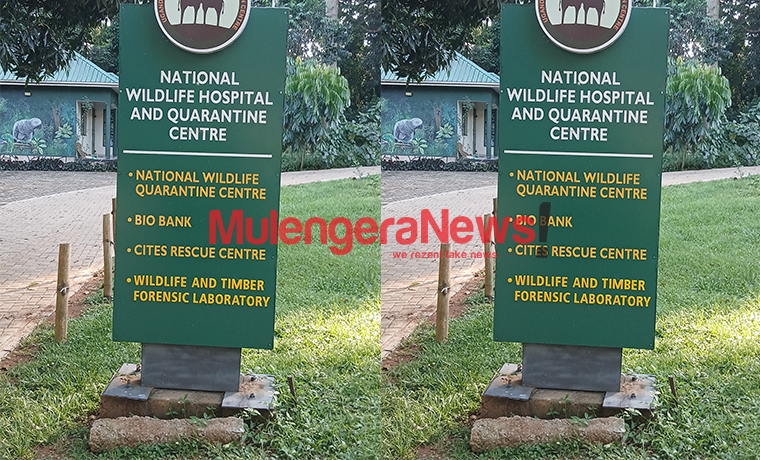
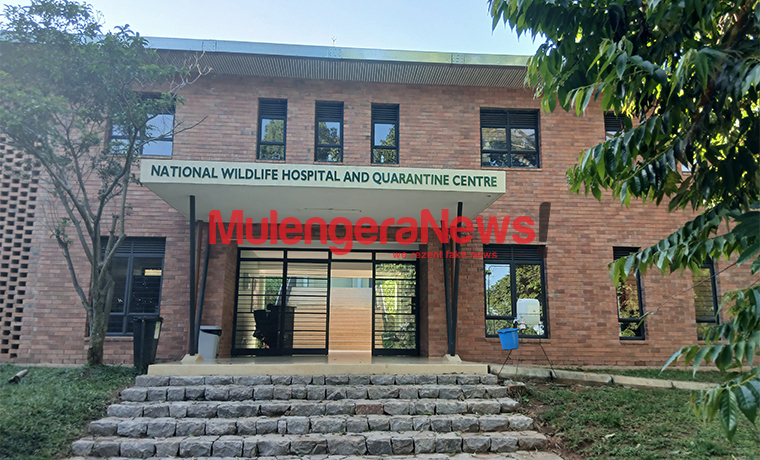
Jackson Wananga, Manager of the Uganda Wildlife Forensics and Timber Laboratory at UWEC, says rehabilitation of wild animals is a delicate process that goes far beyond medical treatment.
“When an animal develops unusual behavior or has been rescued from a difficult situation, rehabilitation aims at helping it return to normal behavior,” Wananga explained during an interview at the Entebbe-based conservation facility.

The process often involves keeping animals in controlled environments where specialists can monitor their behavior and health. While containment may sound restrictive, Wananga says it is designed to provide safety and recovery rather than punishment.

“Containment means putting the animal in an environment where it cannot escape, but where it still has freedom within that space,” he said.
Handling wild animals during rehabilitation requires extreme caution. Chimpanzees, for example, are significantly stronger than many people realize.
“A chimpanzee can easily overpower several adults,” Wananga said. “You cannot simply walk up to one. It will defend itself, and that can be dangerous.”

As a result, wildlife veterinarians frequently use tranquilizer darts and other specialized techniques when transporting or treating large animals.
The challenge becomes even greater when rehabilitation is complete and the animal is ready for release.
Chimpanzees live in tightly knit social groups known as troops, where social bonds and group identity are crucial for survival. According to Wananga, prolonged separation from the group can create serious reintegration problems.
“If a chimpanzee has been away for some time and returns, the troop may reject it,” he explained. “They may see it as having abandoned the group.”
In some cases, the rejection can become violent.
“They can fight it and even kill it,” Wananga said.
The revelation highlights one of the lesser-known challenges facing wildlife conservationists across Africa. While rescuing animals from poachers, injury, or human-wildlife conflict is often celebrated, successfully returning them to the wild requires navigating complex animal social structures.
At UWEC, some animals are unable to return to the wild at all.
Many of the centre’s permanent residents suffer from injuries, disabilities, or conditions that would prevent them from surviving independently. Others were born in captivity and lack the skills needed to hunt or avoid predators.
“If you release some of these animals, they would die,” Wananga said. “The wild is about survival of the fittest.”
The conservation centre currently houses a wide range of species, including lions, tigers, crocodiles, giraffes, elephants, zebras, and hyenas. Many require lifelong care.
To ensure animal welfare, UWEC attempts to recreate aspects of natural habitats through a process known as environmental enrichment.
For giraffes, feeding platforms are elevated to mimic feeding from tall trees. Predators receive carefully managed diets, while enclosures are designed to encourage natural behaviors.
“We enrich the environment so that the animals are not bored, not stressed, and can behave as naturally as possible,” Wananga explained.
Animal welfare regulations also influence how predators are managed in captivity. Lions and tigers at UWEC are fed beef supplied through contracted providers rather than live prey.
“Giving live animals as food in a zoo setting is against animal welfare standards,” Wananga said.
The cost of maintaining the animals is substantial. Adult lions consume between 10 and 12 kilograms of meat daily, while tigers require even more. Crocodiles consume approximately 15 kilograms of meat every two weeks.
Despite the financial demands, UWEC remains committed to caring for animals that cannot survive on their own.
For conservationists, rehabilitation is not simply about saving animals—it is about ensuring they have the best possible chance of survival, whether in the wild or under human care.
As human activities continue to encroach on wildlife habitats, experts believe rehabilitation centers will play an increasingly important role in protecting vulnerable species while educating the public about the realities of conservation. (For comments on this story, get back to us on 0705579994 [WhatsApp line], 0779411734 & 041 4674611 or email us at mulengeranews@gmail.com).