

![NO ONE HAS THE POWER TO FIRE HIM! Ex-Omuhikirwa [Who Fought M7 in 2016] Dares Tooro Clan Leaders Over Rwomiire Sacking, Says Only King Oyo Could Fire Him](https://mulengeranews.com/wp-content/uploads/2026/09/Steven-Kaliba-Ateenyi-75x75.jpg)






By Mulengera Reporters
As human populations expand into wildlife habitats, experts at Uganda’s only wildlife forensic laboratory are warning that the risk of diseases crossing between animals and people is increasing, highlighting the need for greater investment in scientific research and disease surveillance.
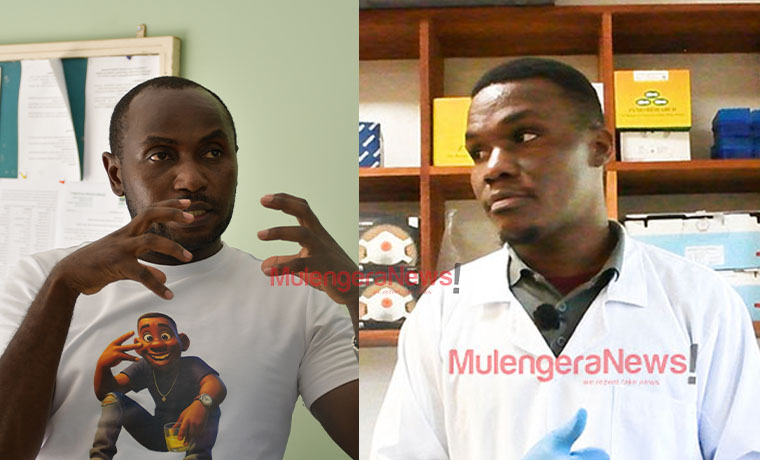
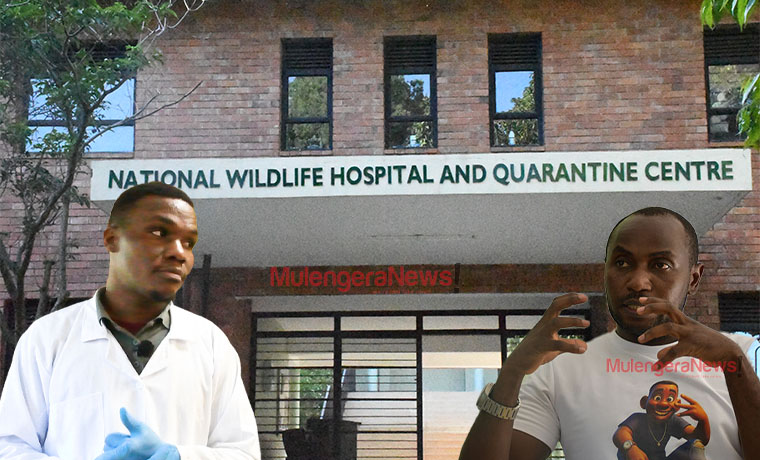
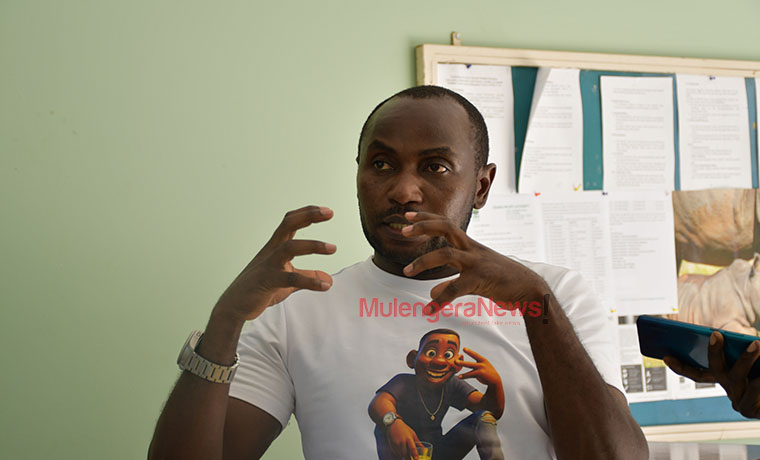
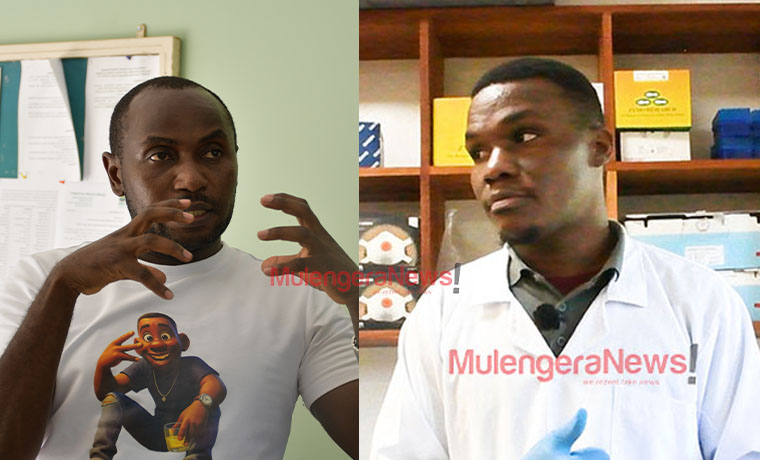
Jackson Wananga, Manager of the Uganda Wildlife Forensics and Timber Laboratory at the Uganda Wildlife Conservation Education Centre (UWEC), says wildlife laboratories have become critical tools in detecting and understanding emerging health threats.
“There is now much more interaction between people and wildlife because populations are growing and moving closer to wetlands, forests, and protected areas,” Wananga said. “As a result, diseases are crossing more frequently.”

Scientists refer to such illnesses as zoonotic diseases—diseases that can spread between animals and humans.

According to Wananga, wildlife laboratories play a key role in monitoring these threats by collecting and analyzing biological samples from animals before outbreaks occur among human populations.
“If we identify diseases early in animals, we can prepare better responses before they affect people,” he explained.
The lessons from the COVID-19 pandemic demonstrated the importance of scientific research and sample collection. Wananga revealed that wildlife samples collected in Uganda contributed to broader scientific work aimed at understanding viruses and developing responses to emerging diseases.

He stressed that Uganda must strengthen its capacity to conduct research locally rather than exporting valuable biological samples abroad.
“When samples leave the country, opportunities for ownership, innovation, and economic benefit can also leave with them,” he said.
Beyond zoonotic diseases, scientists are increasingly concerned about antimicrobial resistance—a growing global health challenge in which bacteria, viruses, and other organisms become resistant to medicines.
“Some diseases no longer respond to the drugs we use,” Wananga explained. “Many of these organisms originate or circulate in animals before affecting people.”
This makes wildlife monitoring an important first line of defense.
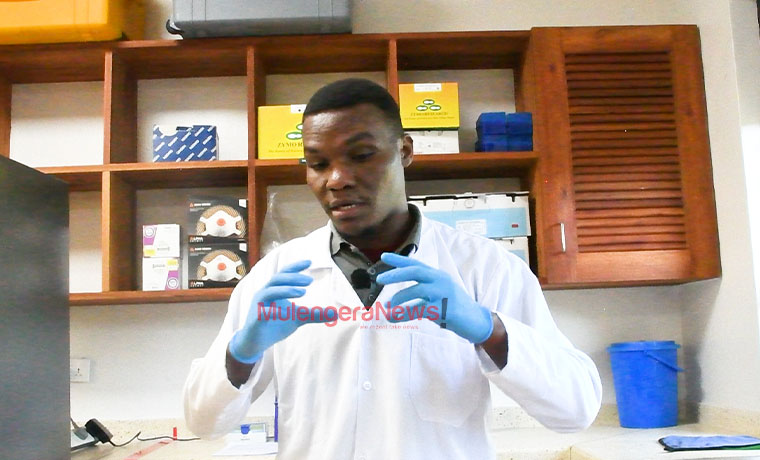
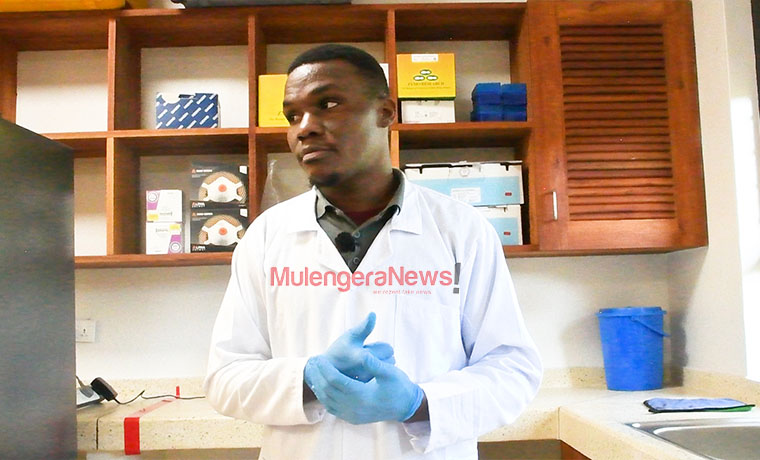
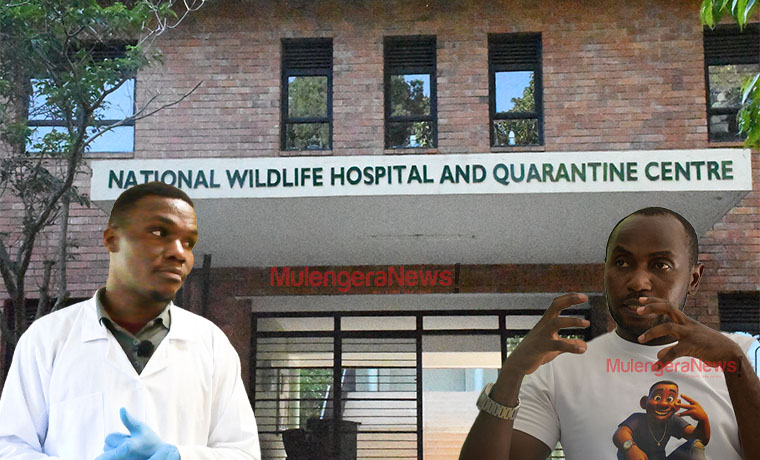
The Uganda Wildlife Forensics and Timber Laboratory is currently the only facility of its kind in the country, combining diagnostic and forensic capabilities under one roof. The laboratory works alongside a wildlife hospital at UWEC, allowing scientists to investigate diseases, conduct genetic testing, and support conservation law enforcement.
Although Uganda has developed significant expertise in wildlife science, Wananga says resources remain limited.
The laboratory and hospital complex contain highly specialized equipment, some of which costs hundreds of millions of shillings. Yet the facility is still not fully equipped.
“It remains a work in progress,” he said.
The laboratory’s development has been supported by government initiatives and international partners, including the World Bank, which funded construction of part of the facility.
According to Wananga, Uganda also operates another research-oriented laboratory in Moyo District, although the Entebbe facility remains the country’s primary centre for wildlife diagnostics and forensic analysis.
The region has relatively few similar institutions. While Kenya and South Africa possess comparable facilities, many neighboring countries lack advanced wildlife forensic and diagnostic laboratories.
Efforts are underway to strengthen collaboration between countries in East Africa through scientific partnerships and knowledge sharing.
“We are discussing ways of sharing experiences and strengthening cooperation,” Wananga said.
Such partnerships could improve regional preparedness for disease outbreaks while enhancing wildlife conservation efforts.
Experts believe the importance of wildlife laboratories will continue growing as climate change, habitat loss, urban expansion, and increased human-wildlife interactions create new opportunities for disease transmission.
For Wananga, the message is clear: investment in wildlife science is no longer solely a conservation issue—it is also a public health priority.
“These facilities need more support and funding,” he said. “The diseases that affect wildlife can eventually affect people. Monitoring them early protects both wildlife and human communities.”
As Uganda continues to position itself as a regional leader in conservation and wildlife management, scientists say strengthening laboratory capacity could prove vital in preventing future health crises while safeguarding the country’s rich biodiversity. (For comments on this story, get back to us on 0705579994 [WhatsApp line], 0779411734 & 041 4674611 or email us at mulengeranews@gmail.com).