





By Ben Musanje
In Uganda, abortion remains one of the most sensitive, divisive, and quietly widespread public health issues—spoken about in whispers, experienced in secrecy, and often ending in silence. Yet behind the legal restrictions and cultural stigma lies a reality that health professionals, legal experts, and survivors say is far more common—and far more dangerous—than most public conversations admit.
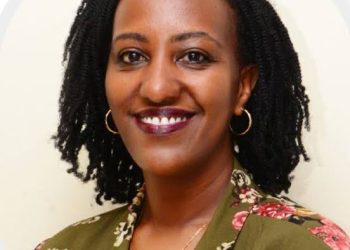
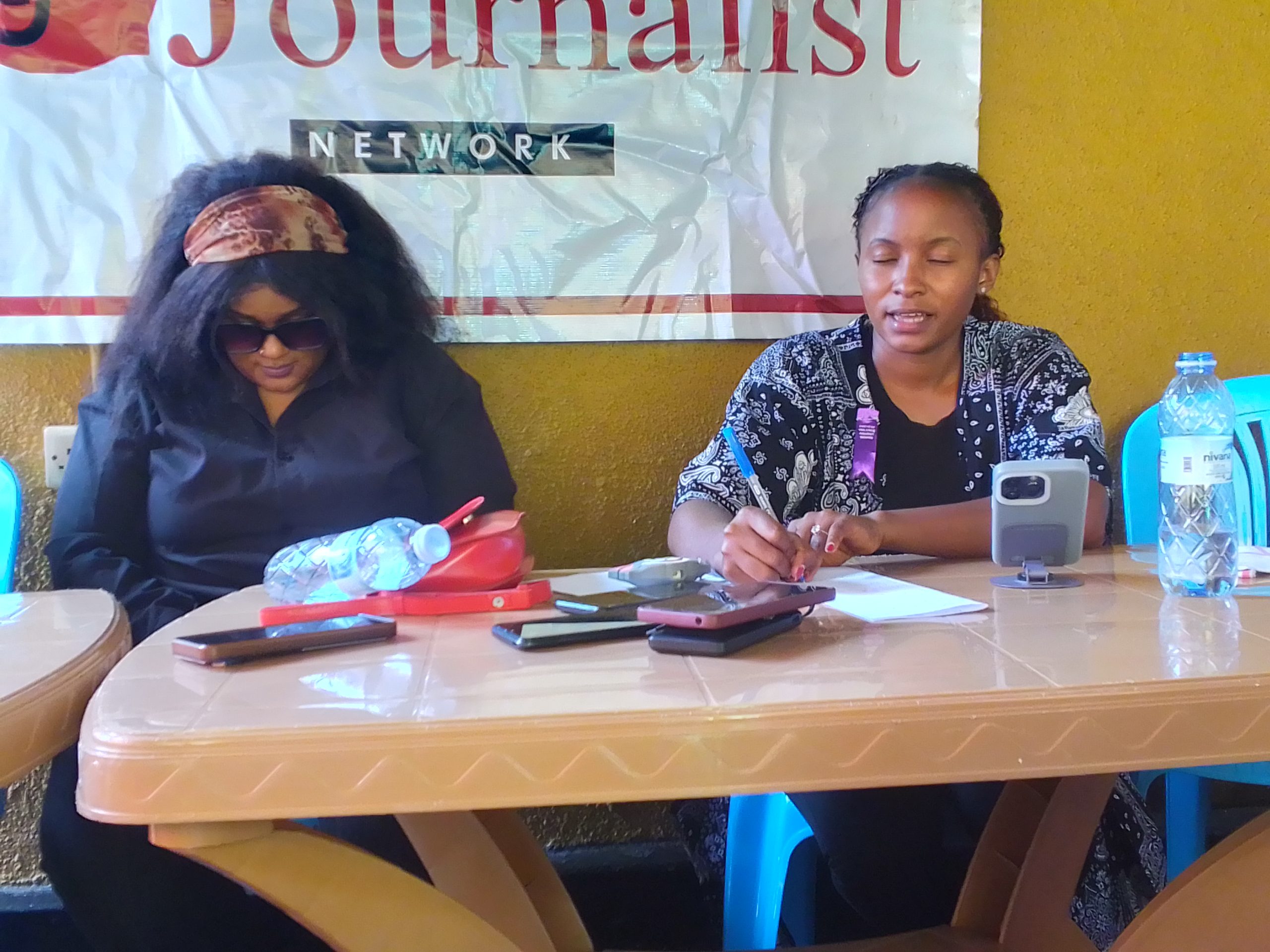
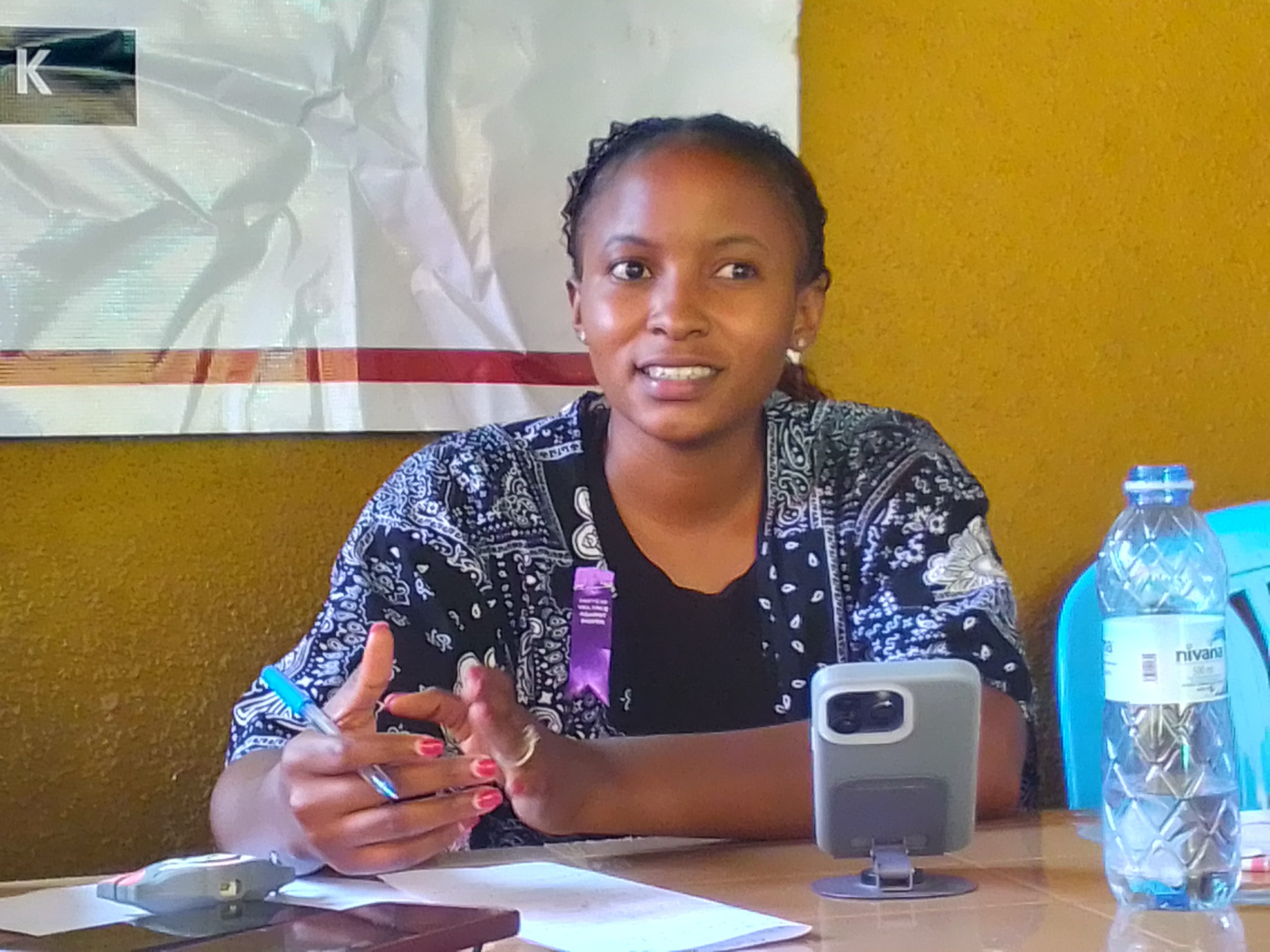
At a recent Media Science Café organized by the Health Journalists Network Uganda (HEJNU) under the CATALYSTS Consortium Project, journalists, legal practitioners, and health workers gathered to confront that reality. Among the most powerful testimonies was that of Sharon Namyalo, an abortion survivor and patient advocate, who recounted a harrowing experience that began when she was just 15 years old.

Her story is not just personal—it reflects a wider, often invisible public health crisis affecting thousands of girls and women across the country.
A Pregnancy in Silence, a Decision in Fear
Namyalo describes a childhood shaped by silence around sexual and reproductive health. Raised by a single father who provided materially but never engaged in conversations about puberty, sex, or reproductive health, she entered adolescence without guidance on one of life’s most critical transitions.
“I was in high school,” she said. “We never talked about sex or anything. Even when I had my first period, I just told him I needed pads and he gave me money.”

Like many adolescents in similar environments, Sharon says she lacked the vocabulary, support systems, and safe spaces to discuss what she was experiencing. When she became pregnant at 15, fear and shame drove her deeper into secrecy.
“I didn’t know who to talk to. I was afraid of being judged,” she recalled.
That fear led her to a peer who directed her to an informal provider in an unnamed location described as “very shady.” The cost of the procedure was 50,000 Ugandan shillings—a sum she could not afford.
To raise the money, Sharon says she lied about school requirements. The decision marked the beginning of a life-threatening ordeal that would stretch on for months.
A Procedure That Turned Into a Medical Emergency
What followed, Sharon says, was not a safe medical procedure but an unsafe intervention that quickly went wrong.
“They did something to me and it backfired. I couldn’t stop bleeding,” she said. “I bled and bled and bled for months.”
Her description paints a stark picture of what health experts frequently warn about: unsafe abortions carried out in unregulated settings often lead to severe complications, including hemorrhage, infection, infertility, and death.
Namyalo’s condition deteriorated over time. She describes bleeding so severe it soaked through clothing and furniture, and pain so intense that even traveling in a taxi became unbearable.
“Every time the taxi hit a pothole, it felt like something was cutting me inside,” she said.
Despite her condition, she avoided formal medical care for fear of exposure and judgment.
“I was afraid to go to a big hospital because I didn’t know how to answer questions,” she explained.
Instead, she returned to the same provider who had performed the procedure. His response, she recalls, was dismissive.
“He told me, ‘You can go three months, it’s fine.’ But I was bleeding for months. I knew something was wrong.”
Her case illustrates a common pattern in unsafe abortion contexts: patients returning to the same unregulated providers due to fear of legal consequences, stigma, and lack of confidential care.
A Narrow Escape From Death
Eventually, Namyalo sought help elsewhere and underwent another intervention, which she described as a type of internal cleaning under anesthesia.
This procedure reduced the bleeding but did not immediately resolve her condition.
“I feel like I had a narrow escape,” she said. “It was painful. I could have died.”
Health professionals at the forum confirmed that such cases are not rare. Unsafe abortion remains a significant contributor to maternal morbidity in Uganda, particularly among adolescents.
Namyalo’s experience, they noted, reflects a broader systemic failure: lack of access to comprehensive sexual education, limited adolescent-friendly health services, and widespread stigma that pushes young people toward unsafe options.
The Law, the Body, and a National Dilemma
While survivor stories like Namyalo’s reveal the human cost, legal frameworks continue to shape the boundaries of care.
Legal Officer Tracy Nabbaale of the Women Pro Bono Initiative explained that abortion in Uganda sits at the intersection of competing rights, responsibilities, and contradictions.
She noted that pregnancy directly affects a woman’s body, making bodily autonomy central to the debate. However, she also pointed out that once a child is born, Ugandan law imposes obligations on both parents to provide care.
“There are two different things,” she said. “One is the woman’s body. The other is a child who has rights under the law.”
Nabbaale argued that the current legal framework creates tension between criminalization of abortion and enforcement of parental responsibility. She suggested that Uganda may need to reconsider its approach, including aligning domestic laws with regional frameworks such as the Maputo Protocol, which recognizes women’s reproductive rights.
“The laws we have are contradictory,” she said. “We need clarity so medical professionals are not working in fear.”
She also highlighted the consequences of unclear legal guidance for healthcare providers, noting that fear of prosecution often prevents them from offering safe abortion-related care, even when medically necessary.
Health Workers on the Frontline of a Moral and Legal Conflict
From the perspective of medical professionals, the issue is equally complex.
A nursing officer at Mulago Specialized Women and Neonatal Hospital described the dilemma faced by healthcare workers who must balance professional duty, personal beliefs, and legal restrictions.
“I know what to do, I can offer a safe abortion, but I may not offer it because I fear being reprimanded,” she said.
She explained that even when safe procedures are possible, many providers refuse due to religious beliefs or fear of legal consequences. As a result, women often turn to unsafe alternatives.
Her testimony highlights a critical gap in Uganda’s health system: even where knowledge and capacity exist, policy and stigma limit service delivery.
She also emphasized the importance of early and open sexual and reproductive health education, arguing that young people are already exposed to sexual information but often lack accurate guidance.
“Teenagers know more than we think,” she said. “We must be honest with them about consequences.”
A Growing Public Health Concern
Across the discussion, one theme repeatedly emerged: abortion in Uganda is not rare—it is hidden.
Although official statistics vary due to underreporting, health workers at the forum acknowledged that unsafe abortion contributes significantly to hospital admissions related to maternal complications.
Complications such as prolonged bleeding, infection, and infertility are commonly reported in post-abortion care units, particularly among adolescents and rural populations.
The absence of youth-friendly health services, participants noted, has worsened the situation. With many clinics lacking dedicated adolescent corners and with reduced support from international health funding, access to contraception and counseling has declined in some areas.
“We are seeing an increase in teenage pregnancies because services are no longer easily accessible,” one health worker said.
Culture, Silence, and Responsibility
Beyond law and health systems, cultural expectations continue to shape the crisis.
Experts at the forum noted that parents often avoid conversations about sex, leaving adolescents to rely on peers and misinformation.
“There is fear among parents to talk about sex,” one speaker observed. “But silence is not protection.”
At the same time, cultural expectations around masculinity, family responsibility, and child-rearing complicate abortion decisions further. Health workers described cases where families pressure women either to terminate pregnancies or to continue them, depending on social circumstances.
The result is a landscape where personal choice is constrained by stigma, law, economics, and cultural expectation.
Namyalo’s Message: Awareness as Prevention
For Sharon, survival has turned into advocacy. She now speaks publicly about her experience in an effort to prevent others from enduring similar trauma.
“I could have died,” she said. “I didn’t know where to go or who to talk to.”
Her message is clear: awareness, education, and safe spaces are essential to reducing unsafe abortions.
“If people know where to go, they can avoid what I went through,” she said.
A Crisis Still Unfolding
Uganda’s abortion landscape remains shaped by contradiction: a legally restrictive environment, a high prevalence of unintended pregnancies, and a health system struggling to respond safely and consistently.
Behind every statistic are stories like Sharon’s—stories of fear, secrecy, and survival.
And while policymakers debate legal frameworks and cultural norms, health workers continue to treat the consequences of decisions made in silence.
For now, the crisis remains largely invisible in public discourse, but unmistakably present in hospital wards, legal offices, and the memories of survivors who carry its scars.
As one participant at the forum concluded, the issue is not whether abortion exists in Uganda.
It is how safely—or dangerously—it is being done. (For comments on this story, get back to us on 0705579994 [WhatsApp line], 0779411734 & 041 4674611 or email us at mulengeranews@gmail.com).