

![NO ONE HAS THE POWER TO FIRE HIM! Ex-Omuhikirwa [Who Fought M7 in 2016] Dares Tooro Clan Leaders Over Rwomiire Sacking, Says Only King Oyo Could Fire Him](https://mulengeranews.com/wp-content/uploads/2026/09/Steven-Kaliba-Ateenyi-75x75.jpg)





By Mulengera Reporters
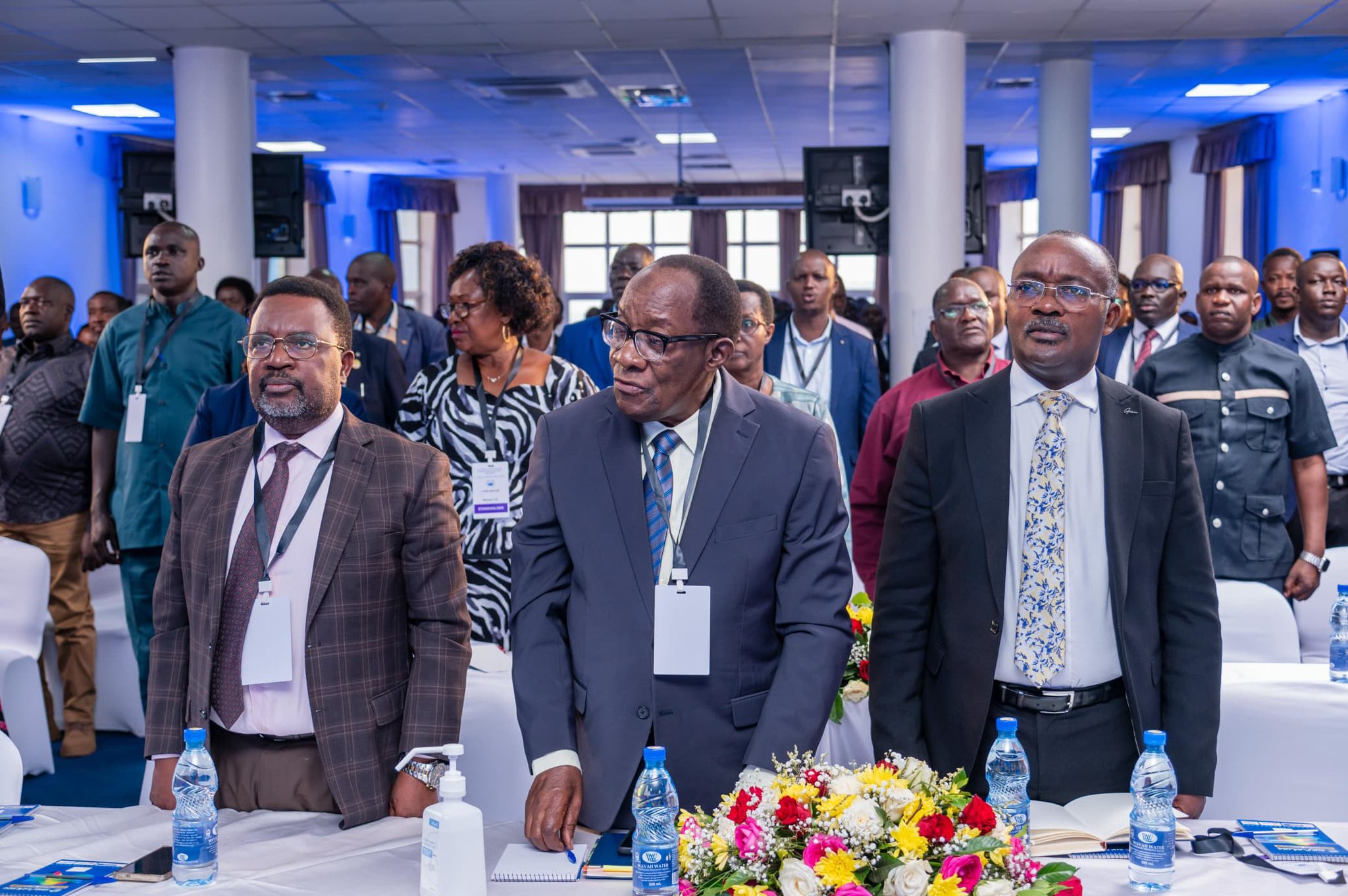
While much of the country remained fixated on political speculation over the next Speaker of Parliament and social media banter surrounding Arsenal fans, the National Water and Sewerage Corporation (NWSC) quietly unveiled what could become one of Uganda’s most consequential public service blueprints — its Five-Year Strategic Plan for 2025/26–2029/30.
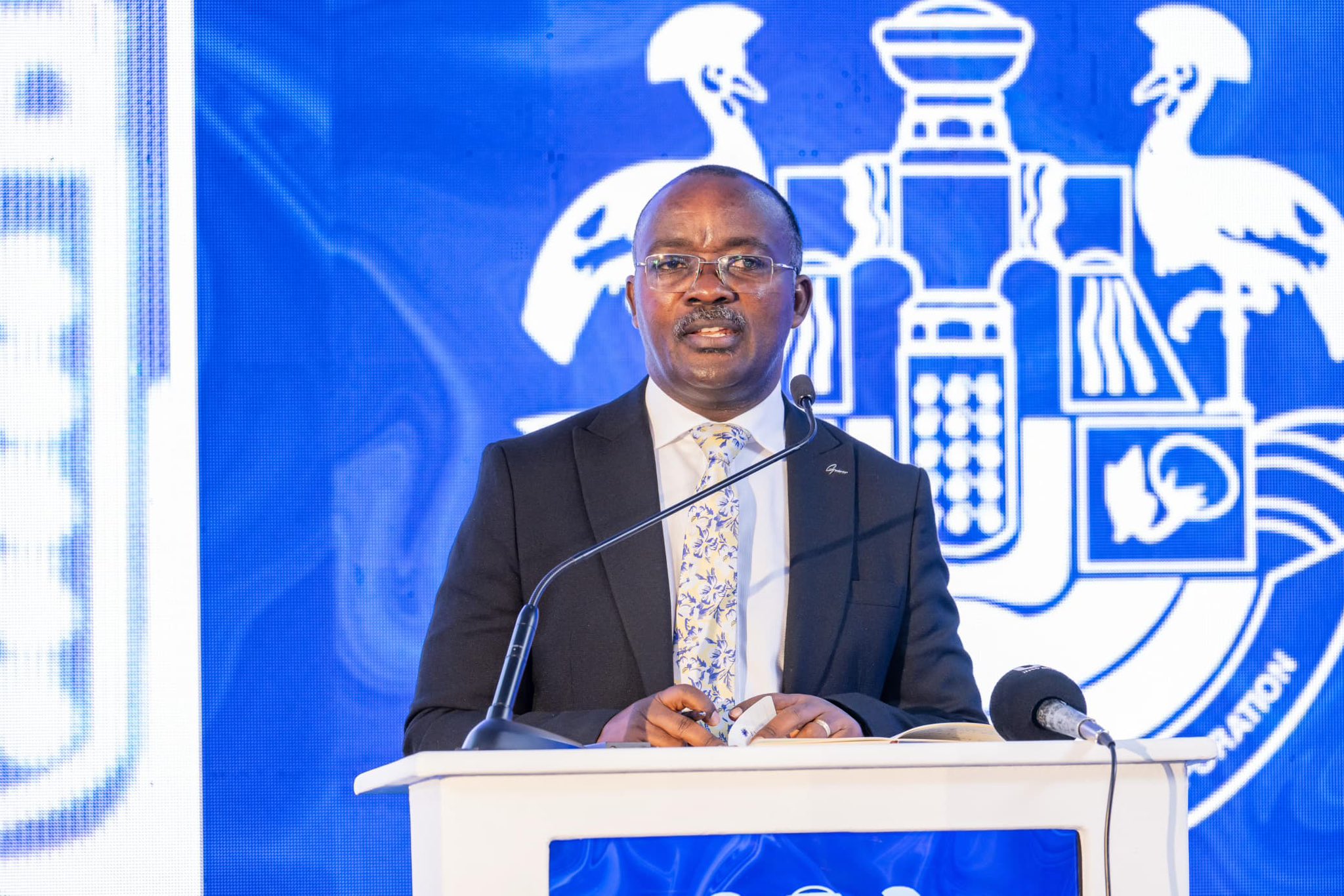
Unveiled under the theme, “Effective Utilization of the Corporation’s Resources to Provide Water and Sewerage Services in a Customer-Oriented and Environmentally Friendly Manner,” the strategy lays out an ambitious roadmap aimed at accelerating Uganda’s journey toward universal access to safe water and improved sanitation.
At its core, the plan signals a renewed commitment by NWSC to improve public health, support productivity and drive inclusive socio-economic transformation through expanded and sustainable water services.

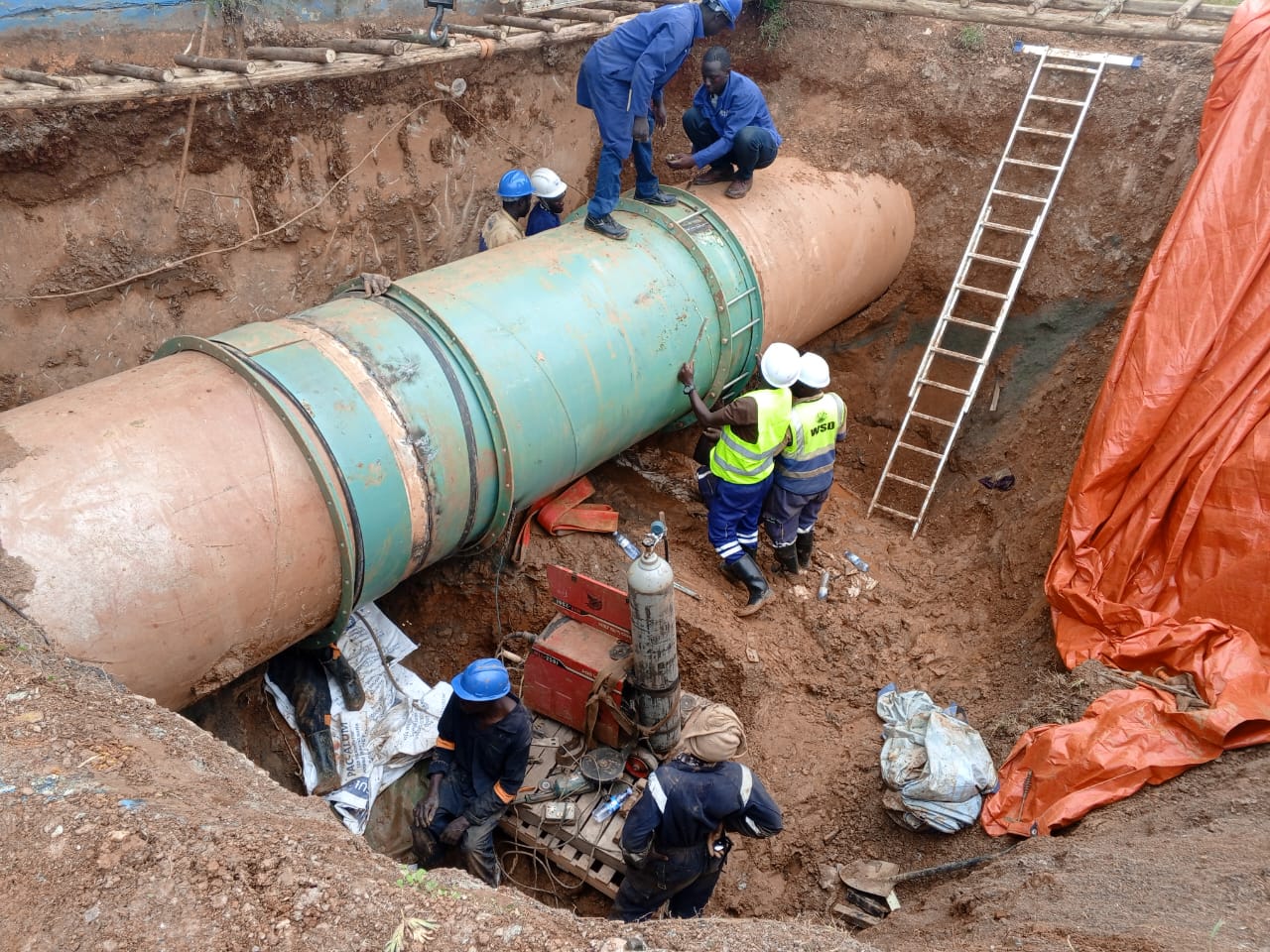
The new strategy comes at a time when demand for clean water and sanitation infrastructure continues to grow due to urbanization, population growth and climate-related pressures. According to NWSC, the plan is intended to help the corporation harness emerging opportunities while addressing internal inefficiencies and systemic bottlenecks that have historically affected service delivery.
The roadmap builds on gains and lessons from the corporation’s previous five-year plan, which registered notable progress in expanding access and improving operational performance.
Among the key milestones recorded was a significant increase in the customer base, with water connections growing from 724,006 to 1,004,197. Over the same period, NWSC’s annual turnover rose from Shs385 billion to Shs649 billion, reflecting both expansion in services and stronger financial performance.
The corporation also reported growth in its asset base, which increased from Shs3.5 trillion to Shs4.8 trillion, an indication of continued investment in infrastructure development.

Although progress in reducing water losses remained modest, NWSC managed to lower Non-Revenue Water — water lost through leakages, theft or inefficiencies — from 35 percent to 34 percent.
Customer confidence also appeared to strengthen, with the corporation registering a customer satisfaction index of 79 percent, surpassing the minimum benchmark of 70 percent. Internally, staff engagement improved significantly, rising from 50 percent to 82 percent, a metric often linked to institutional efficiency and service delivery.
The new five-year strategic plan outlines priorities and actionable goals intended to transform the corporation over the next half decade. Its broader ambition is to expand access to safe water and sanitation services while ensuring environmental sustainability and customer-centred operations.
As Uganda pushes toward universal water coverage, NWSC’s latest strategy could determine not only how quickly taps begin flowing in underserved communities, but also how effectively the country meets its public health and development goals.