







By Mulengera Reporters
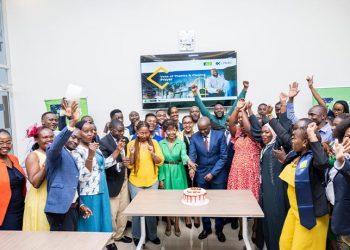
The Equity Leaders Program (ELP) 2026 has commissioned 100 new scholars, strengthening its commitment to developing a new generation of Ugandan leaders through education, mentorship, and structured leadership training.
The program, implemented under the Equity Group Foundation, continues to position itself as one of the key youth development initiatives in the region, focusing not only on academic excellence but also on leadership mindset, professional exposure, and community impact.
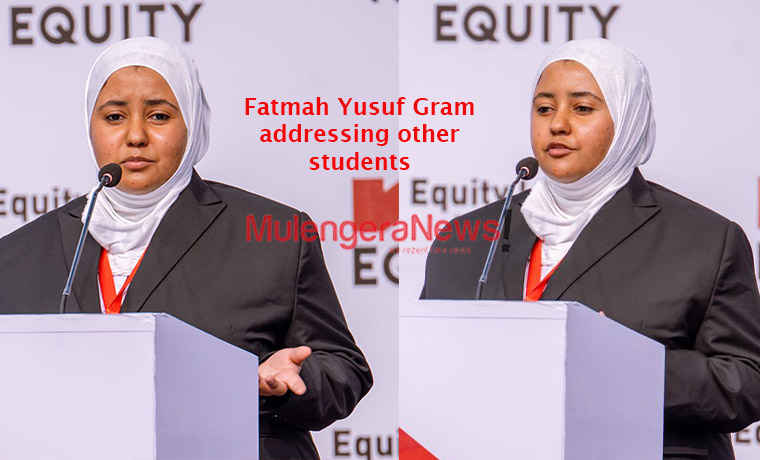
Among the 2026 cohort is Fatmah Yusuf Gram, a young scholar from Fort Portal, whose journey illustrates the program’s growing influence on Uganda’s brightest students. For Fatmah, the experience has been both educational and transformative, reshaping how she views career opportunities and leadership.

Before joining the program, she admits her understanding of banking and corporate leadership was narrow. “I thought banking was simply about loans, money transfers, and keeping money safe,” she said. “But through this program, I discovered that Equity is much more than a bank. It is a place where leadership, strategy, and service come together.”

Through the Equity Leaders Program, scholars are immersed in structured mentorship and practical exposure to the corporate world. Participants engage with professionals across key departments including finance, human resources, risk management, operations, and strategy. This hands-on exposure gives them a rare opportunity to understand how large institutions operate and how leadership decisions are made in real time.
Program coordinators say this exposure is designed to bridge the gap between academic learning and workplace realities, particularly for students who may have had limited access to professional environments. For many scholars, it is their first time interacting directly with senior executives and understanding leadership beyond titles.
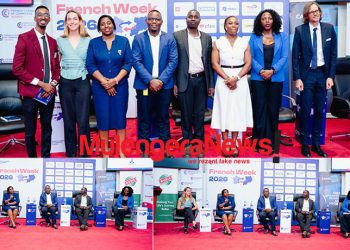
Speaking during the engagement, Equity Bank Uganda Managing Director Gift Shoko encouraged the scholars to remain focused on their aspirations regardless of their backgrounds. He urged them not to allow their circumstances to define their potential, emphasizing resilience, discipline, and purpose.

Another mentor, Tony Otoa, challenged the students to develop strong self-awareness and independence of thought. He reminded them that societal expectations often shape perceptions, but true leadership comes from defining one’s own path and staying committed to personal growth.
Beyond mentorship, the program also emphasizes values such as discipline, integrity, teamwork, and service. Scholars are encouraged to see leadership not just as personal advancement, but as a responsibility to uplift others and contribute to community development.
The 2026 cohort also reflects a deliberate effort to promote inclusivity, with increasing participation of young women in the program. Officials say this is part of a broader commitment to ensure that leadership opportunities are accessible across gender and regional lines.
Across Uganda, thousands of students have now benefited from the Equity Leaders Program since its inception, forming a growing network of young professionals who are gradually entering key sectors including banking, healthcare, technology, and public service.
According to program leaders, the long-term goal is to build a pipeline of leaders who are not only academically strong but also socially conscious and equipped to drive meaningful change in their communities.
For scholars like Fatmah, the transformation is already underway. What began as a pursuit of academic excellence has evolved into a deeper mission—one focused on leadership, service, and long-term impact. (For comments on this story, get back to us on 0705579994 [WhatsApp line], 0779411734 & 041 4674611 or email us at mulengeranews@gmail.com).