

![NO ONE HAS THE POWER TO FIRE HIM! Ex-Omuhikirwa [Who Fought M7 in 2016] Dares Tooro Clan Leaders Over Rwomiire Sacking, Says Only King Oyo Could Fire Him](https://mulengeranews.com/wp-content/uploads/2026/09/Steven-Kaliba-Ateenyi-75x75.jpg)





By Ben Musanje
The Roman Catholic Church in Uganda has moved swiftly to restructure this year’s commemoration of Uganda Martyrs Day following the government’s decision to postpone the national celebrations at Namugongo over fears of a potential Ebola outbreak.
The shift comes after President Yoweri Museveni announced the suspension of the June 3 observance, citing heightened risk of cross-border transmission from the Democratic Republic of Congo, where Ebola cases have been reported. In response, the Catholic Church, through the Uganda Episcopal Conference (UEC), has directed that commemorations be decentralized across dioceses and parishes nationwide, while urging adherence to public health guidelines.
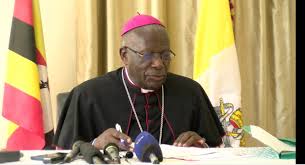
In a statement issued by the Conference Chairperson also Bishop of Kiyinda- Mityana, Rt. Rev. Bishop Joseph Antony Zziwa, the Church emphasized that all 19 Catholic dioceses should guide believers in observing the day in a manner consistent with safety protocols issued by health authorities. Bishop Zziwa noted that the Uganda Martyrs remain a profound symbol of faith, courage, and fidelity to Christian values, stressing that the spiritual significance of the day must be preserved even in altered circumstances. He further urged Christians to “follow the guidelines as given by the government,” underscoring a rare convergence between ecclesiastical direction and state public health policy.

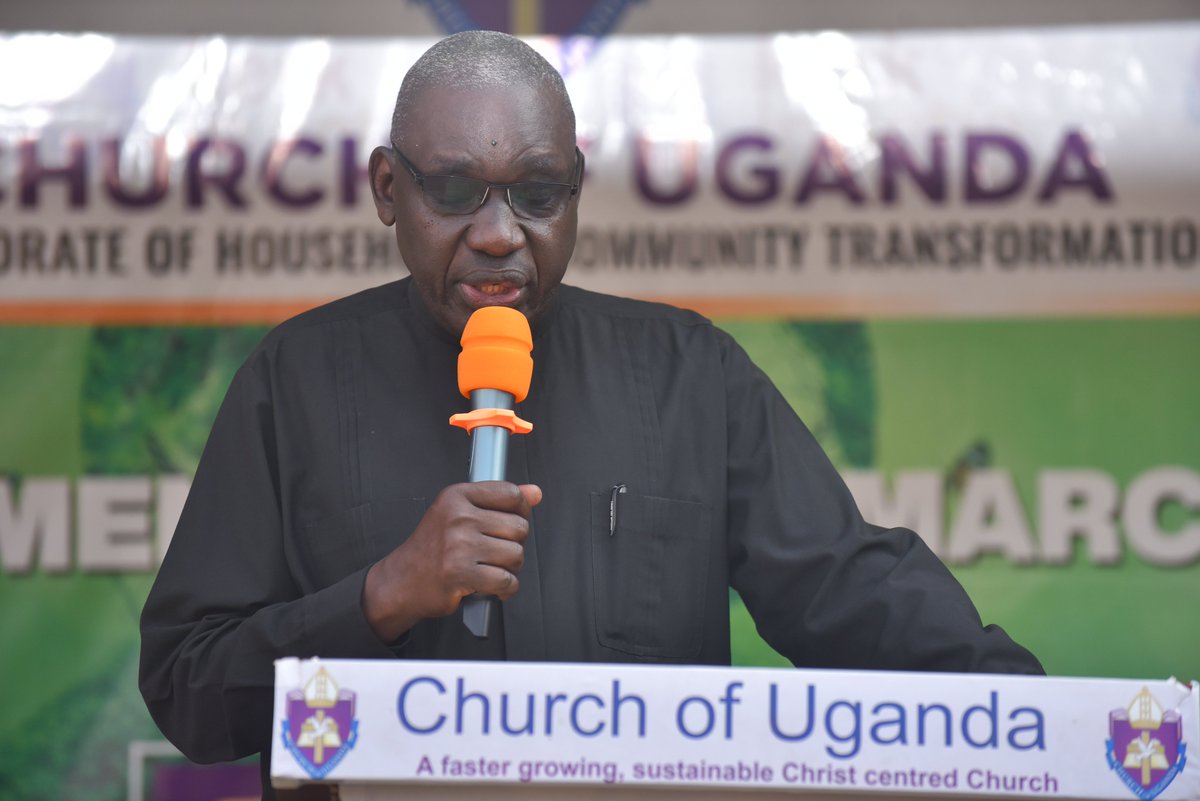
The Church of Uganda also publicly endorsed the government’s decision, effectively aligning itself with the postponement directive. The Anglican province said the move followed consultations between government officials, epidemic response teams, and religious leaders. Provincial Secretary Reverend Canon William Ongeng stated that protecting human life must take precedence over large gatherings, even for events of deep religious importance.

The Church has urged dioceses, pilgrims, and organizing committees to comply fully with Ministry of Health guidelines, including restrictions on mass gatherings and movement of pilgrims across regions. It also acknowledged the preparations already made by Uganda Christian University, which had been tasked with organizing the Anglican commemorations at Nakiyanja, commending the institution for its commitment despite the disruption.
The postponement decision by Museveni was framed as a precautionary public health intervention aimed at preventing the spread of Ebola. According to the President, consultations were held with a national epidemic response task force, religious leaders, and international health partners including the World Health Organization.
He warned that Uganda’s annual influx of pilgrims, particularly from eastern Congo where an outbreak has been confirmed, posed a significant risk of cross-border transmission. Authorities in Congo’s Ituri province have reported multiple deaths and suspected cases linked to the rare Bundibugyo strain, prompting regional concern and heightened surveillance.

Museveni urged pilgrims who had already begun traveling to Namugongo and other sites to return home and continue observing preventive measures such as reporting symptoms and seeking early medical attention. He assured the public that a new date for the national commemoration would be announced once health conditions improve. While acknowledging the disappointment caused by the postponement, he maintained that safeguarding life was the overriding priority.
In Kasese (the organizing district or diocese for this year’s Martyrs day celebration at the side of the Catholic Church), a key pilgrimage hub near the border with Congo, the local diocese appealed for calm following the announcement. Kasese Diocese officials noted that many pilgrims from both Uganda and neighboring Congo had already made preparations to attend the celebrations. Mathias Thembo, a member of the diocesan organizing committee, said the Church remains hopeful that the celebrations may still proceed under strict health restrictions if authorities give clearance. He added that the diocese is continuing prayers for containment of the outbreak while cooperating with health teams monitoring the situation.
Across Uganda, religious leaders have encouraged believers to adapt to decentralized observances, framing the shift as a temporary but necessary measure. Despite the postponement of the national gathering, Church authorities insist that the spiritual meaning of Uganda Martyrs Day remains unchanged, even as the country navigates renewed public health concerns at its borders. (For comments on this story, get back to us on 0705579994 [WhatsApp line], 0779411734 & 041 4674611 or email us at mulengeranews@gmail.com).