










By Ben Musanje
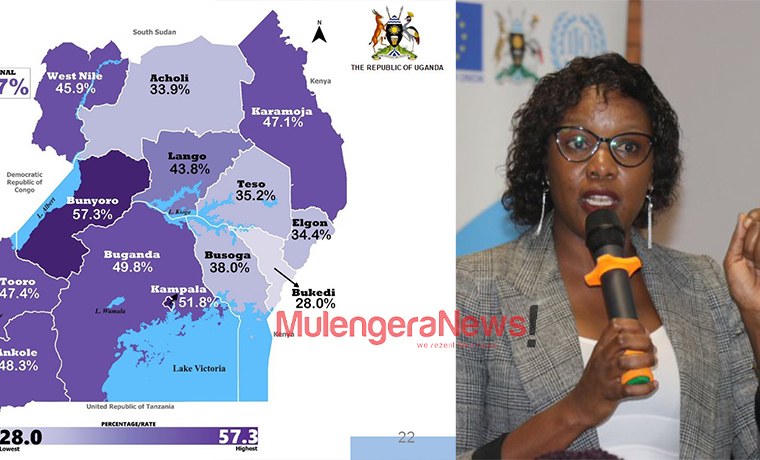
Bukedi sub-region has emerged as the most affected area in Uganda’s youth labour market crisis, with the latest Uganda Bureau of Statistics (UBOS) Labour Market Survey Report 2025 revealing that 37% of young people aged 15 to 24 years are unemployed, the highest rate in the country.
The findings were presented by Elizabeth Nyirantwari, a Senior statistician at UBOS, during the dissemination of the report at Statistics House in Kampala on Thursday.
Nyirantwari explained that youth unemployment is measured using international standards requiring a person to be without work, actively seeking employment, and available to work.

At the national level, the report shows that 18% of youth aged 15 to 24 years are unemployed, meaning nearly one in five young Ugandans in this age bracket is unable to find work despite actively searching.

However, Bukedi sub-region stands out as the most severe case. Nyirantwari noted that Bukedi recorded “about three in ten persons in unemployment,” translating to an estimated 37% youth unemployment rate, significantly higher than the national average and highlighting deep regional inequality in access to jobs.
This means that in Bukedi, nearly four out of every ten young people who are willing and available to work cannot find employment, raising concerns about the sub-region’s economic absorption capacity and limited job creation opportunities.
The report further reveals a strong gender imbalance in youth unemployment. Nyirantwari stated that “majority of the unemployed youth were females compared to their male counterparts,” adding that “21% of females were unemployed nationally” within the youth category.

This indicates that young women continue to face greater barriers in accessing jobs, driven by structural, educational, and social constraints that limit their participation in the labour market compared to young men.
Beyond the 15–24 age brackets, the broader youth category aged 18 to 30 years also reflects significant labour market stress, with an unemployment rate of 16%. Across both rural and urban areas, females consistently record higher unemployment levels than males, reinforcing the gender gap in employment outcomes.
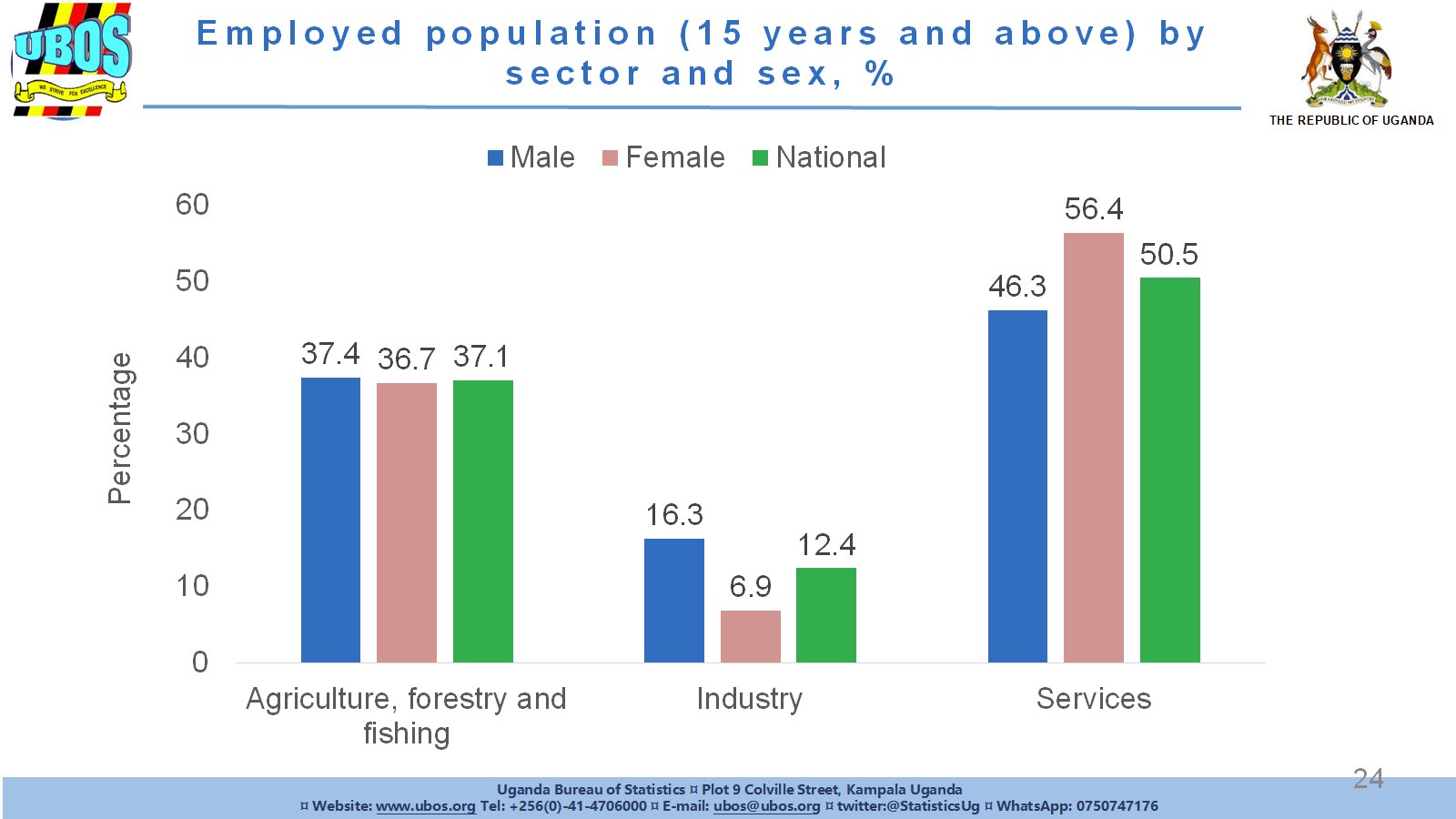
The report also highlights that Uganda’s labour market remains heavily dominated by the services sector, which accounts for 51% of total employment, while industry continues to lag behind, limiting the creation of stable, formal jobs that could absorb young job seekers.
Nyirantwari emphasized that the labour market structure is still unable to fully absorb new entrants, particularly young people transitioning from education into work. The dominance of informal and low-productivity jobs means many youths remain either unemployed or underemployed.
The findings suggest that addressing youth unemployment will require targeted interventions focused on regional disparities, especially in high-pressure areas such as Bukedi, alongside investments in skills development, industrial growth, and youth-focused employment programs. (For comments on this story, get back to us on 0705579994 [WhatsApp line], 0779411734 & 041 4674611 or email us at mulengeranews@gmail.com).