






By Mulengera Reporters
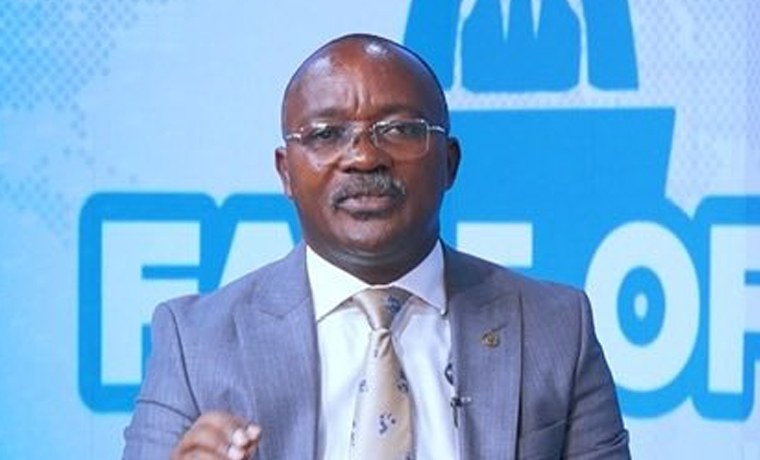
In an extensive Big Interview, Dr. Silver Mugisha, Managing Director of the National Water and Sewerage Corporation (NWSC), said that despite national efforts to improve water supply, many Ugandans still face severe shortages.
He said that even in areas like Hoima, where oil has been discovered, residents sometimes go months without enough water because underground sources cannot meet demand. Dr. Mugisha said that while alternative sources such as River Kafu were considered, they could not provide sufficient yield, and a five-year expansion project is now being planned to address the situation.
Dr. Mugisha explained that NWSC currently serves approximately 20 million people across 284 towns through about 1 million connections, including households, businesses, schools, and hospitals.

He said that although the corporation is now truly national, rapid urban growth is stretching the existing infrastructure, and some areas, particularly in north-eastern Kampala, experience low pressure or intermittent supply. He said the utility is installing larger transmission pipelines and constructing new reservoirs, including one in Kanyanya, to improve distribution over the next two years.

He also addressed the financial struggles facing NWSC, explaining that while private customers generally pay on time, government institutions often delay payments for more than ten months, leading to arrears exceeding 350 billion shillings. He said the government has allocated 81 billion shillings in the current budget to reduce outstanding debts and that further discussions with the Ministry of Finance are underway to clear the remaining domestic arrears.
On infrastructure challenges, Dr. Mugisha noted that vandalism and illegal connections remain serious problems, with criminals stealing pipes and meters for resale. He said the utility is coordinating with police and engaging local communities to protect water systems. He added that some neighborhoods experience water rationing due to ongoing construction projects, a temporary measure necessary to ensure long-term improvements.
Dr. Mugisha said that NWSC’s vision is to expand its coverage to 26 million people by 2030, increase connections to 1.2 million, and grow the corporation’s asset base to over 6 trillion shillings. He also emphasized the need to improve sewerage systems in towns and implement mechanized septic management in rural areas.

He said that NWSC’s billing is affordable and transparent, with household tariffs averaging 100 shillings per unit, industries 58 shillings, and low-income users paying 25 shillings per jerrycan. Those without piped water, he explained, often pay far more for water from vendors. Dr. Mugisha clarified that billing errors are often due to leaks or under-recording rather than intentional inflation, thanks to automated systems that prevent manipulation.
Dr. Mugisha highlighted that while government and development partners remain crucial for funding, NWSC is focusing on efficiency, cost-effective construction methods, reducing non-revenue water, and staff productivity to achieve financial sustainability.
He said that climate change and government commitment are the two biggest threats to achieving water for all by 2030. He explained that declining water levels and environmental degradation could seriously affect supply if not addressed. Finally, he stressed that public trust is critical for NWSC, and that the corporation is investing in technology, stakeholder engagement, and community empowerment to ensure reliable, safe water and improved service delivery.
Dr. Mugisha concluded by saying that as NWSC moves toward its 2030 vision, Ugandans can expect better communication, wider coverage, stronger infrastructure, and more reliable water supply, signaling a hopeful future for millions still struggling with dry taps. (For comments on this story, get back to us on 0705579994 [WhatsApp line], 0779411734 & 041 4674611 or email us at mulengeranews@gmail.com).