






By Ben Musanje
The Uganda Communications Commission (UCC) has issued a sharp warning to citizens attempting to bypass restrictions on social media and over-the-top (OTT) messaging applications, following the nationwide restoration of public internet services.
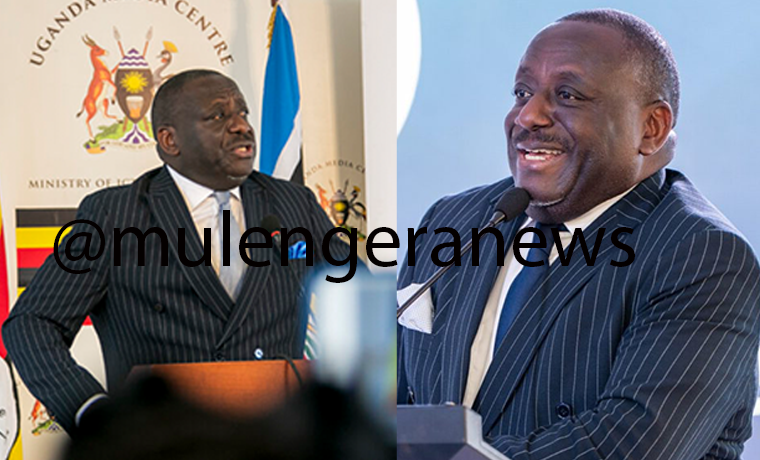
UCC Executive Director Nyombi Thembo made it clear in a press conference at commission’s headquarters in Bugolobi on Sunday that while general internet access including web browsing, government portals, financial services, email, educational resources, and news websites has been fully restored, any attempt to use virtual private networks (VPNs) or other tools to circumvent remaining restrictions and break the law could trigger serious consequences.
“Of course, there are people who think they can bypass these directives through VPNs. Let me tell you: we have reasonable capabilities now. If such bypasses are used to break the law, we can respond directly, and your device may be targeted. We don’t want to go that far, but citizens must understand that unlawful activity will not be tolerated,” Thembo warned.
The warning comes as Uganda moves to restore normalcy following the successful completion of the 2026 elections. The temporary suspension of public internet services, Thembo explained, was a necessary and proportionate measure recommended by the Interagency Security Committee to safeguard public order, prevent misinformation, curb potential electoral fraud, and protect against incitement to violence during a highly sensitive period.

“This measure was not taken lightly,” he said. “It was implemented to ensure that the electoral process proceeded peacefully and that the peace and stability Ugandans have worked so hard to maintain were not undermined.”

While general internet access has resumed as of midnight on 17 January, social media platforms and Over-The-Top (OTT) messaging applications remain restricted to prevent potential misuse. Thembo stressed that lawful internet activities, such as connecting with loved ones, pursuing enterprise, education, or entertainment, remain fully permitted.
He also urged citizens to embrace responsible digital citizenship, warning against the amplification of unverified information, hate speech, inflammatory content, or anything that could incite violence or disturb national peace. “The internet is a powerful tool for enterprise, education, and entertainment. Let us use it to build, not to destroy,” he said.
Thembo emphasized that any attempts to use the restored connectivity to organize disorder, spread falsehoods, or undermine national stability will be met with decisive action. Security agencies, in close coordination with the UCC, will continue to monitor digital spaces to prevent their weaponization against public peace.

The Commission expressed gratitude to network operators for their swift compliance, security agencies for their guidance, and the public for their patience during the temporary suspension. Thembo also acknowledged the media for helping communicate the rationale behind the measure, which lasted three to four days.
He concluded with a call for unity and responsible use of the internet: “The successful and largely peaceful conduct of the elections demonstrates the maturity of our people and the strength of our institutions. Now that public internet access has been restored, let us all embrace it with responsibility and maturity. Freedom online comes with responsibility, and unlawful use will not be overlooked. Together, we can continue building the Uganda we all deserve. I say this for God and my country.”