







By Ben Musanje
As Uganda prepares to celebrate the Christmas season, the Ministry of Health has issued a strong warning to citizens to prioritize safety, health, and responsible behavior during the holidays.
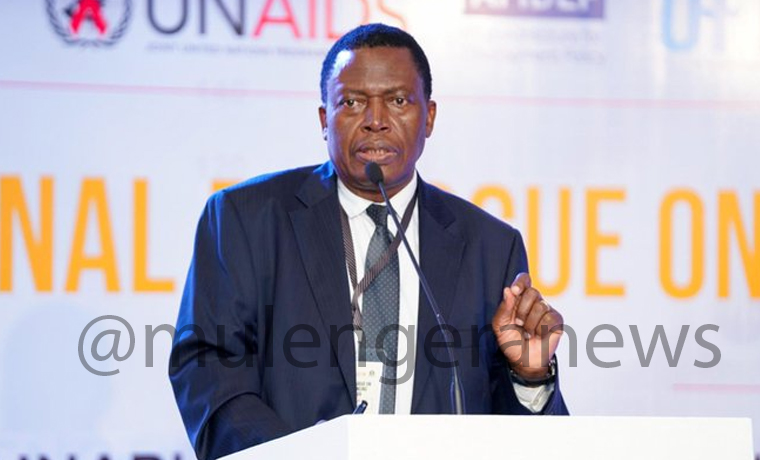
Dr. Charles Olaro, Director General of Health Services, reminded Ugandans that while 2025 has been a year of remarkable health achievements, the festive period brings increased risks of accidents, emergencies, and health challenges that cannot be ignored.
This year, Uganda’s health system has achieved unprecedented progress. Routine immunization coverage reached an impressive 91 percent, with the vaccine portfolio expanding from six to fourteen antigens, including the newly introduced malaria vaccine that has already reached over one million children. These efforts contributed to a significant drop in under-five mortality, from 151 to 52 deaths per 1,000 live births. Maternal and child health also improved dramatically.
Skilled birth attendance rose to 86 percent, maternal mortality declined from 336 to 189 per 100,000 live births, and ambulance coverage at the county level expanded from just 2 percent to 64 percent. The country now has 450 ambulances, including 14 marine vessels, ensuring rapid response to emergencies nationwide.
Disease surveillance and response have strengthened significantly. Rapid response teams contained more than 300 disease outbreaks in 2025, including the Ebola outbreak, which was controlled within 108 days.
Seventeen Emergency Operations Centres now coordinate over 400 trained responders, earning Uganda recognition as a World Health Organization Centre of Excellence for epidemic preparedness.
Access to primary healthcare has also expanded with the establishment of 430 Health Centre IIIs, now covering 71 percent of the population and serving 1,553 sub-counties and two municipal councils. Fifty-two oxygen plants producing 5,000 cylinders daily have further ensured that life-saving treatment is closer to communities than ever before.
Emergency medical services have also seen substantial growth. Maternal and newborn emergencies account for 66 percent of ambulance transfers, contributing to a reduction in maternal deaths. Nine Regional Ambulance Call and Dispatch Centres have been established to improve response times, and the national ambulance fleet now consists of 178 Type A, 261 Type B, and 11 Type C ambulances, along with 14 marine ambulances.
Uganda’s fight against HIV continues to show progress. Over 1.4 million Ugandans living with HIV are on life-saving treatment, with more than 90 percent achieving suppressed viral loads. Mother-to-child transmission has declined from 25.6 percent in 2010, when 25,000 babies were infected, to 6 percent today, with 4,400 babies infected annually. Thousands of children are now born HIV-free each year because their mothers accessed care early.
Despite these achievements, Dr. Olaro warned that the festive season carries increased risks. He highlighted that road traffic accidents surge during Christmas, with the likelihood of injuries or fatalities increasing more than tenfold, and that alcohol consumption further elevates the danger of crashes, drownings, fires, and other emergencies. He noted that last year alone, over 500 people died due to unsafe road practices during the festive season.
The Ministry of Health has activated emergency medical services nationwide to respond to the festive surge in emergencies. Ambulances and fully equipped accident and emergency units will remain operational 24/7 along major highways, and a toll-free emergency number is in development. Meanwhile, citizens can call 0800 100 066 for Ministry of Health emergencies, 999 for the Uganda Police, or 0800 211 088 for the Uganda Red Cross Society.
Dr. Olaro also emphasized the importance of continued vigilance against HIV, noting that it remains preventable and treatable. He encouraged Ugandans to know their HIV status, use protection consistently, access PrEP if at risk, and remain on treatment if living with HIV. Pregnant mothers were urged to attend antenatal care early to prevent transmission to their babies, and stigma must be rejected, as HIV is a health condition, not a moral failing.
Maintaining a healthy lifestyle during the holidays is equally crucial. Citizens were advised to eat fresh local foods, including fruits and vegetables, while avoiding deep-fried, processed, or fatty foods.
Physical activity such as walking, jogging, or farming for at least 30 minutes daily was recommended. Tobacco use, in any form, should be avoided, and exposure to biomass smoke minimized. Those on medication were advised to continue their treatment and follow health worker guidance.
Health facilities will remain open throughout the festive season, with proper staffing, emergency preparedness, and medicine availability. Rapid response teams and ambulance services will remain on high alert to ensure no Ugandan is turned away from care.
Towards the end of the story, Dr. Olaro expressed heartfelt gratitude to the country’s health workforce, acknowledging their dedication, courage, and sacrifice. He recognized that doctors, nurses, midwives, clinical officers, laboratory technicians, pharmacists, community health workers, paramedics, emergency medical teams, dispatchers, ambulance drivers, and all support staff form the backbone of Uganda’s health system, ensuring that even as others celebrate with family, emergencies are managed and lives are saved. He stated that the sacrifice of these health workers does not go unnoticed and that they represent the guardians of life during the festive season, with Uganda being deeply grateful for their service.

As Ugandans celebrate the festive season, the Ministry urged everyone to enjoy responsibly, protect their health, and keep their loved ones safe while reflecting on the remarkable health progress the nation has achieved in 2025. (For comments on this story, get back to us on 0705579994 [WhatsApp line], 0779411734 & 041 4674611 or email us at mulengeranews@gmail.com).