








By Ben Musanje
In the beautiful, mountainous region of Ankole, located in Uganda’s Western Highlands, a quiet agricultural revolution is unfolding.
While the region boasts fertile soil and lush green hills, it has long been plagued by unpredictable rainfall, causing trouble for the farmers who rely on the land for their livelihoods.
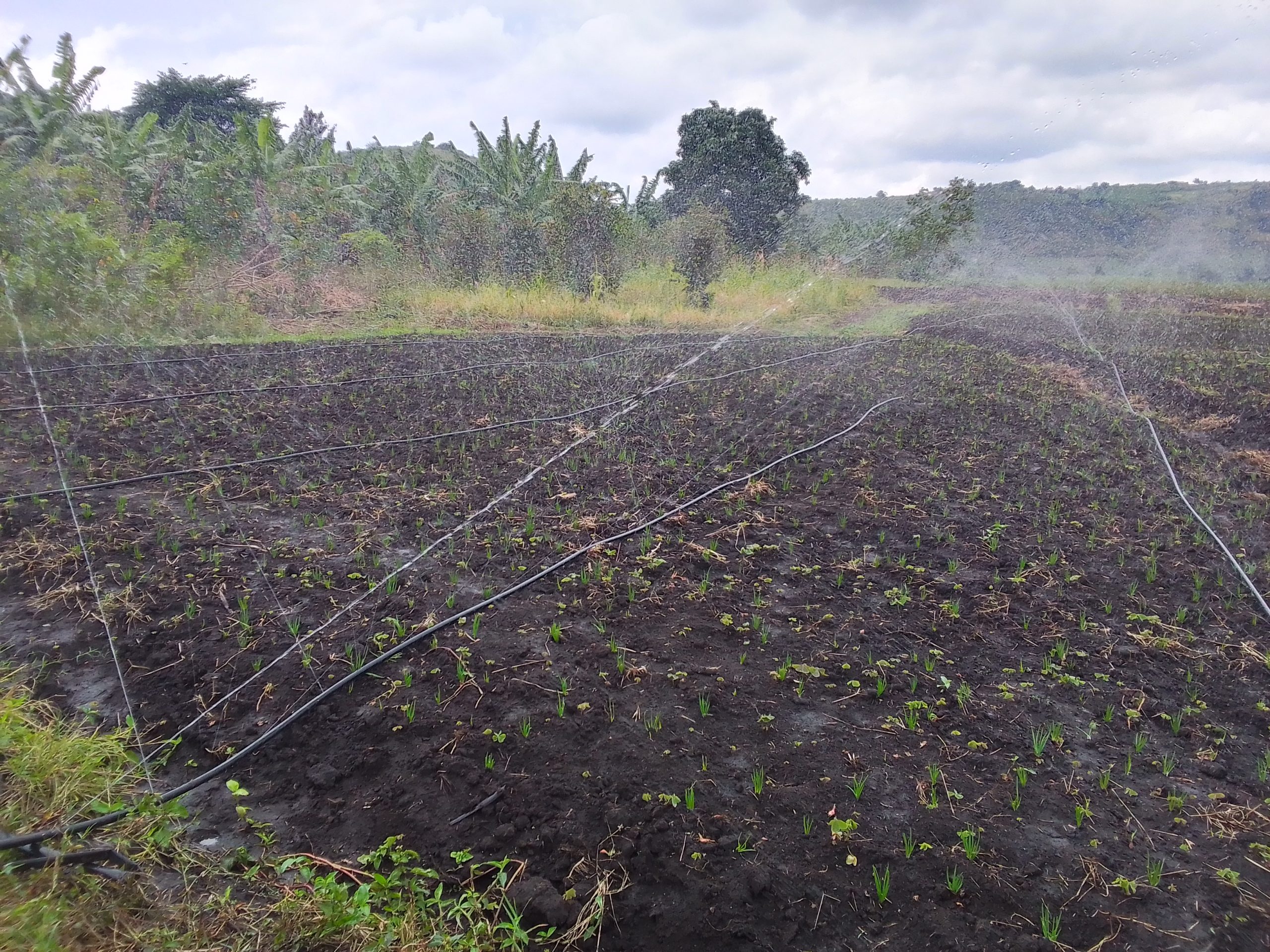
But a powerful solution has emerged one that taps into the sun’s energy to deliver water when the skies stay dry. The Kafuro Solar-Powered Water Irrigation Project, installed in Rubirizi District, is changing the agricultural landscape in ways the locals could only dream of.
The project, which was launched in December 2024, is part of a nationwide initiative by the Ugandan government aimed at revolutionizing farming in regions where water scarcity has been the main barrier to growth. Funded by the UK Export Finance with an impressive 111 million Euros, the project’s goal was to equip farmers with sustainable access to water through the installation of solar-powered irrigation systems. The Ministry of Water and Environment (MWE), in partnership with Nexus Green, was tasked with rolling out the project. The result? A complete transformation for farmers who had long struggled with erratic rainfalls.
For years, farmers in Ankole had been facing a tough situation. Although they worked with fertile land, the unpredictable climate meant that seasons of bountiful crops were followed by dry spells that left fields barren. Without reliable water sources, even the most diligent farmers could not count on harvests to feed their families or bring in enough money to sustain their livelihoods. This harsh reality weighed heavily on local communities, especially in Rubirizi District, where farmers were becoming increasingly desperate.
But then came the installation of the Kafuro Solar-Powered Water Irrigation System, and suddenly, everything changed.
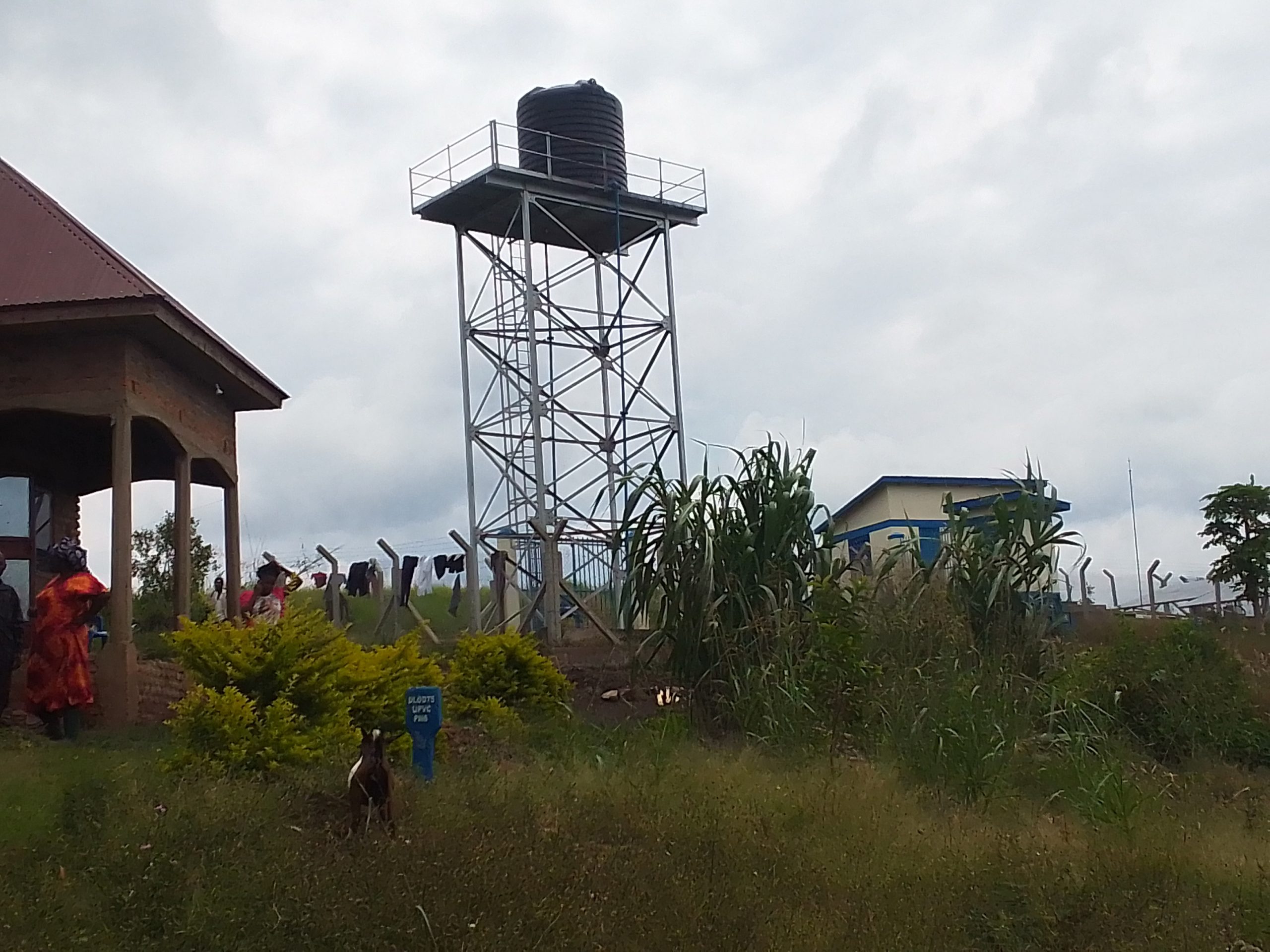
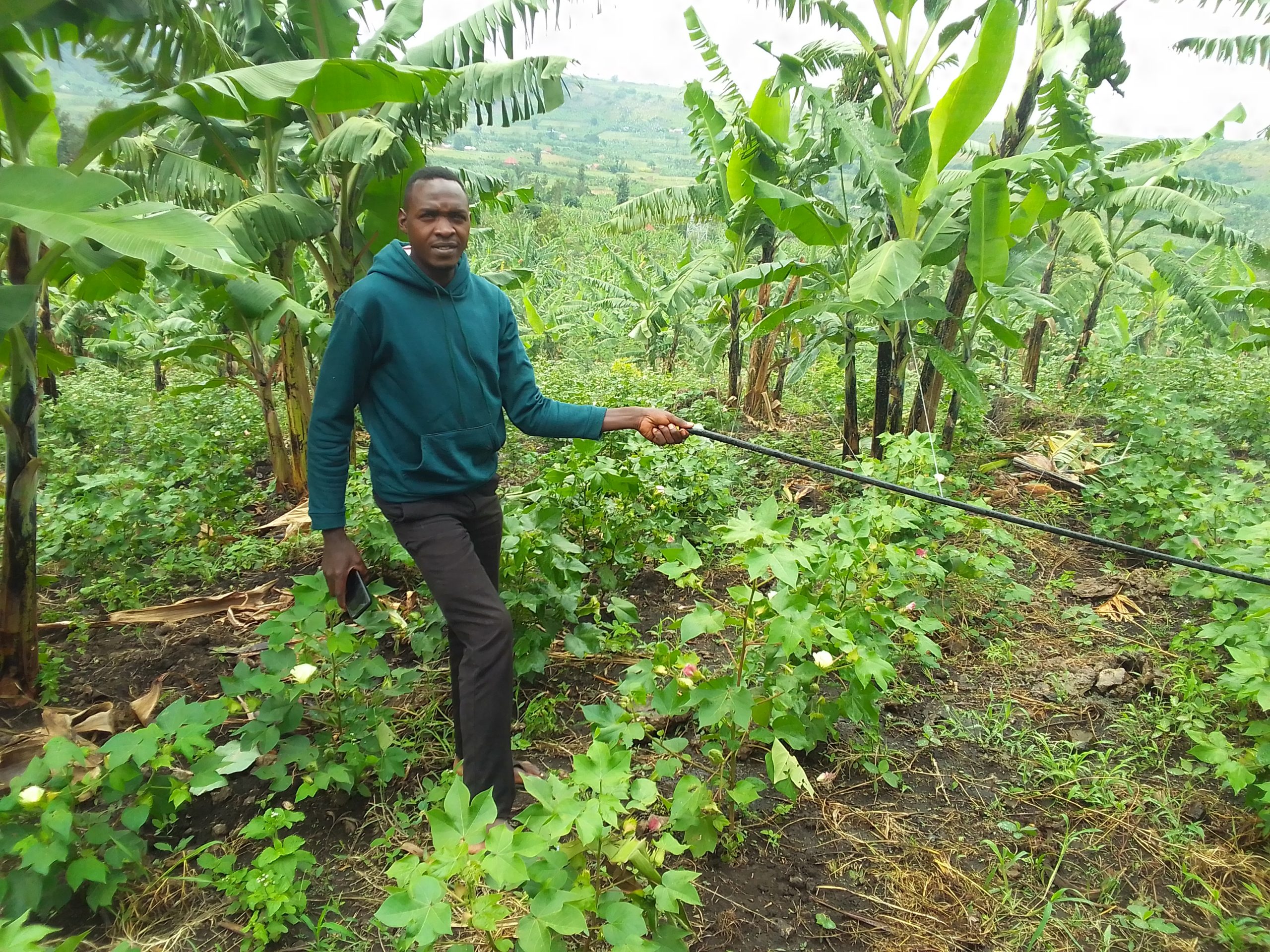
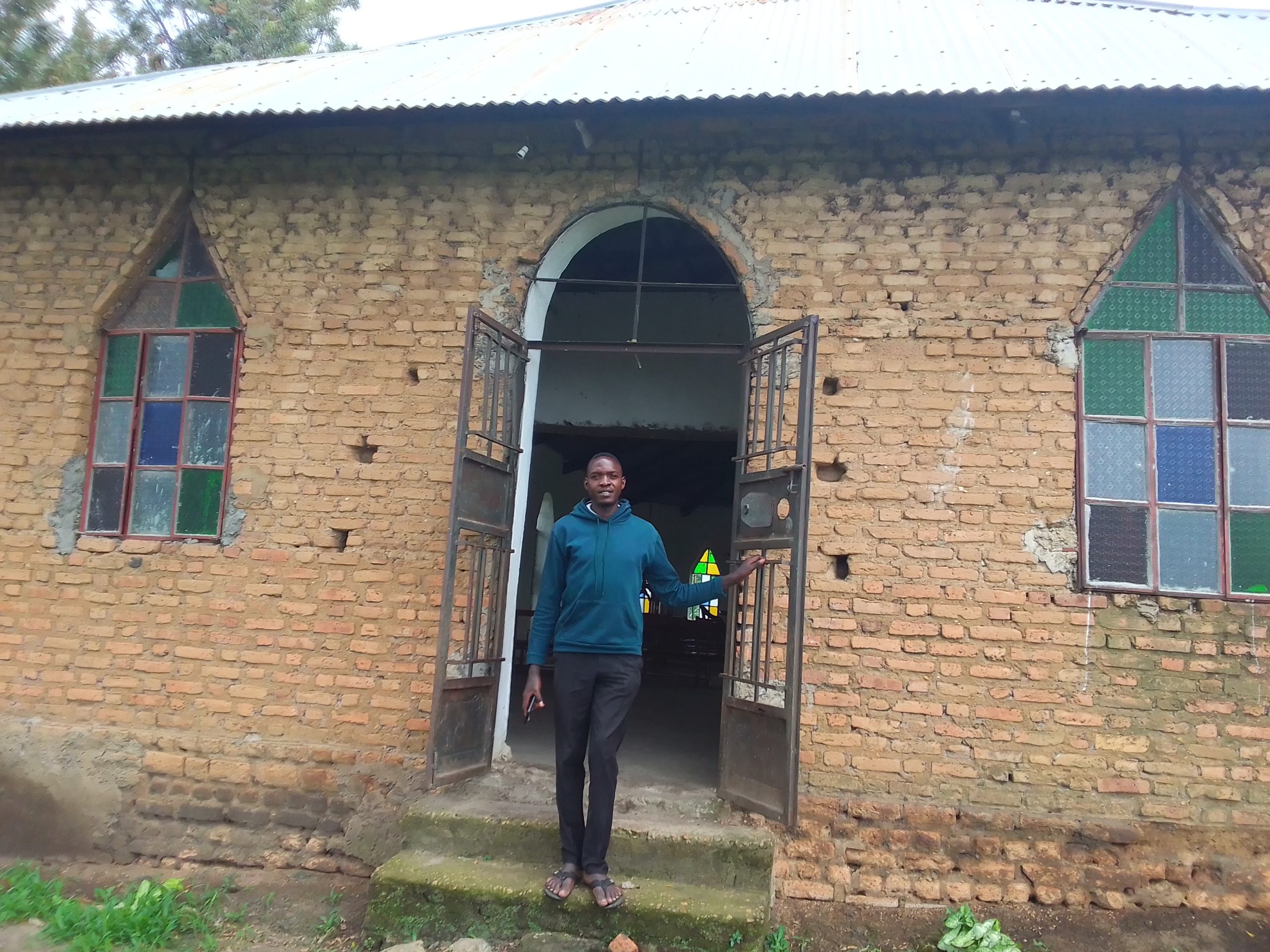
The project relies on solar panels to pump water from Lake Kyamwiga, located nearby, into a reservoir that serves a group of farmers in Kirugu Parish, Kirugu Sub County in Kiterera County. This innovative system makes it possible to irrigate crops throughout the year, regardless of the season. For farmers like Osbert Kanyesigye, a Lay Leader at Kihungye Church of Uganda, this was nothing short of a miracle.
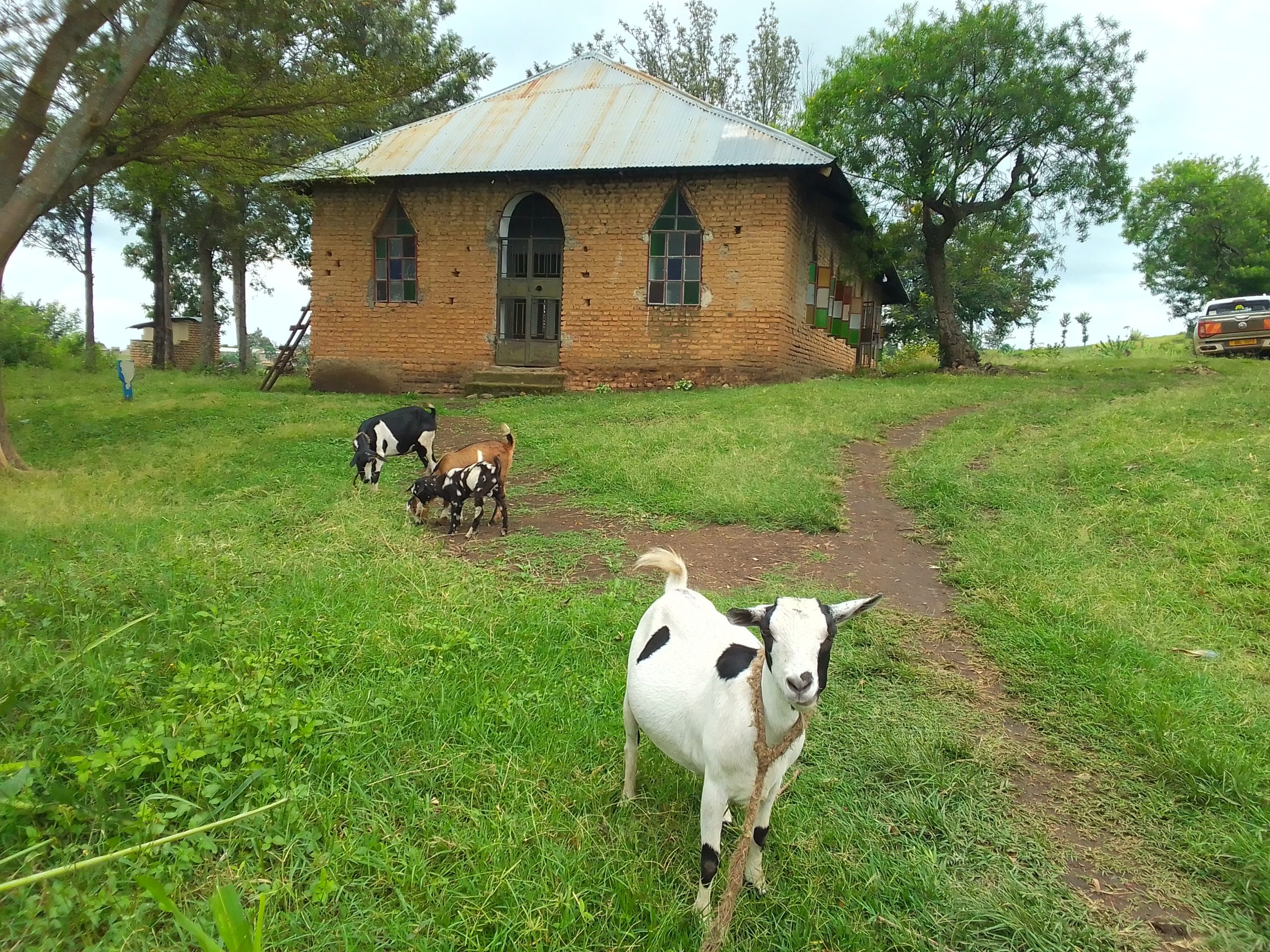
Kanyesigye had only arrived in Kafuro One A Village two years ago, and he quickly realized the struggles faced by the church community and its members. Many farmers were finding it impossible to make ends meet because their crops were heavily dependent on the rainy season. Coffee and banana plantations, two crops central to their livelihood suffered during dry periods, and Kanyesigye found that the church, despite being a place of hope, was struggling to sustain itself.
To help, Kanyesigye and his fellow Christians began cultivating coffee and banana plantations, but even this effort was constantly thwarted by droughts. They could only rely on the rain, which was too unpredictable to count on. However, in December 2024, everything changed when the solar-powered irrigation project was installed in Kafuro Village.
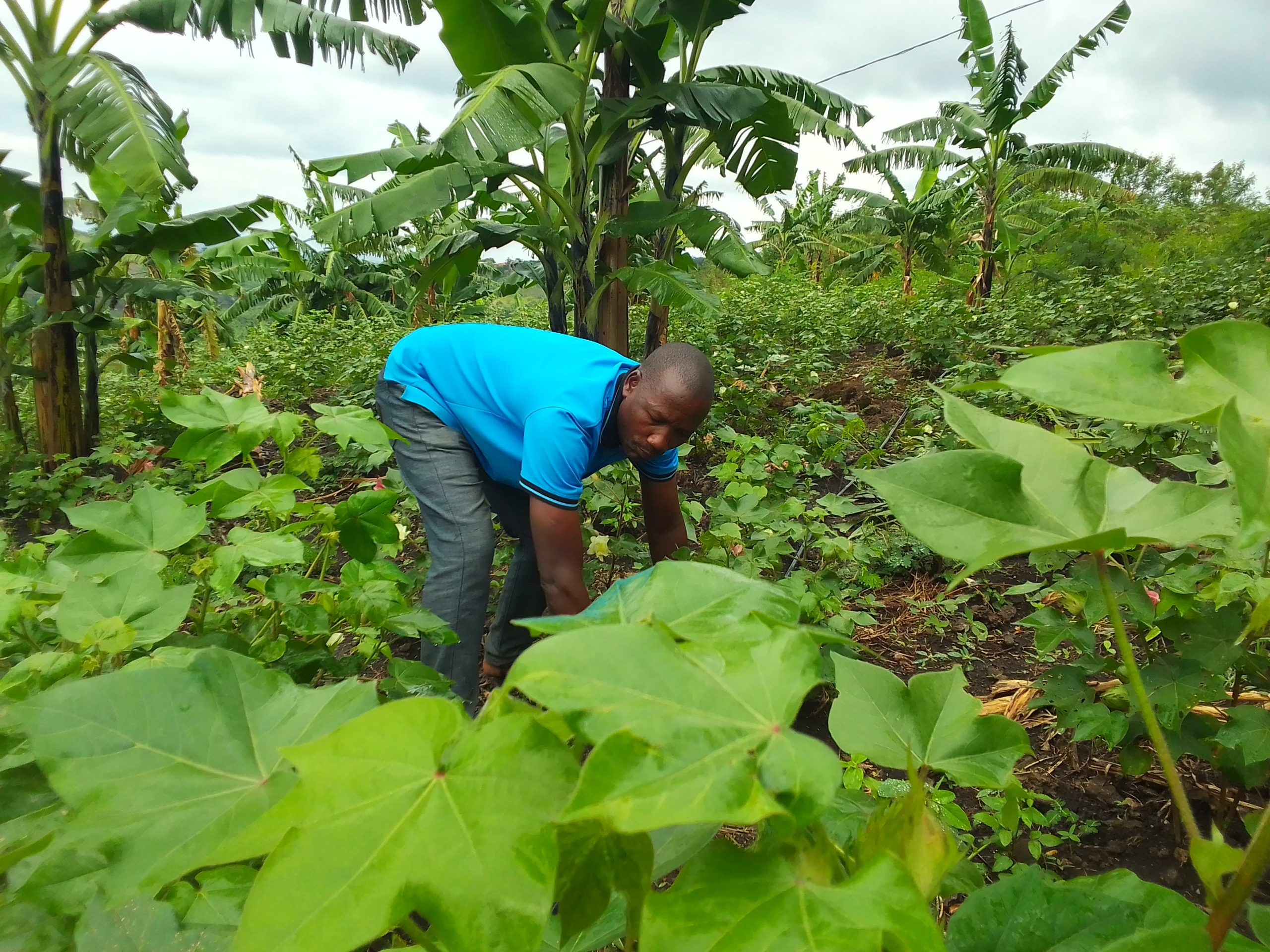
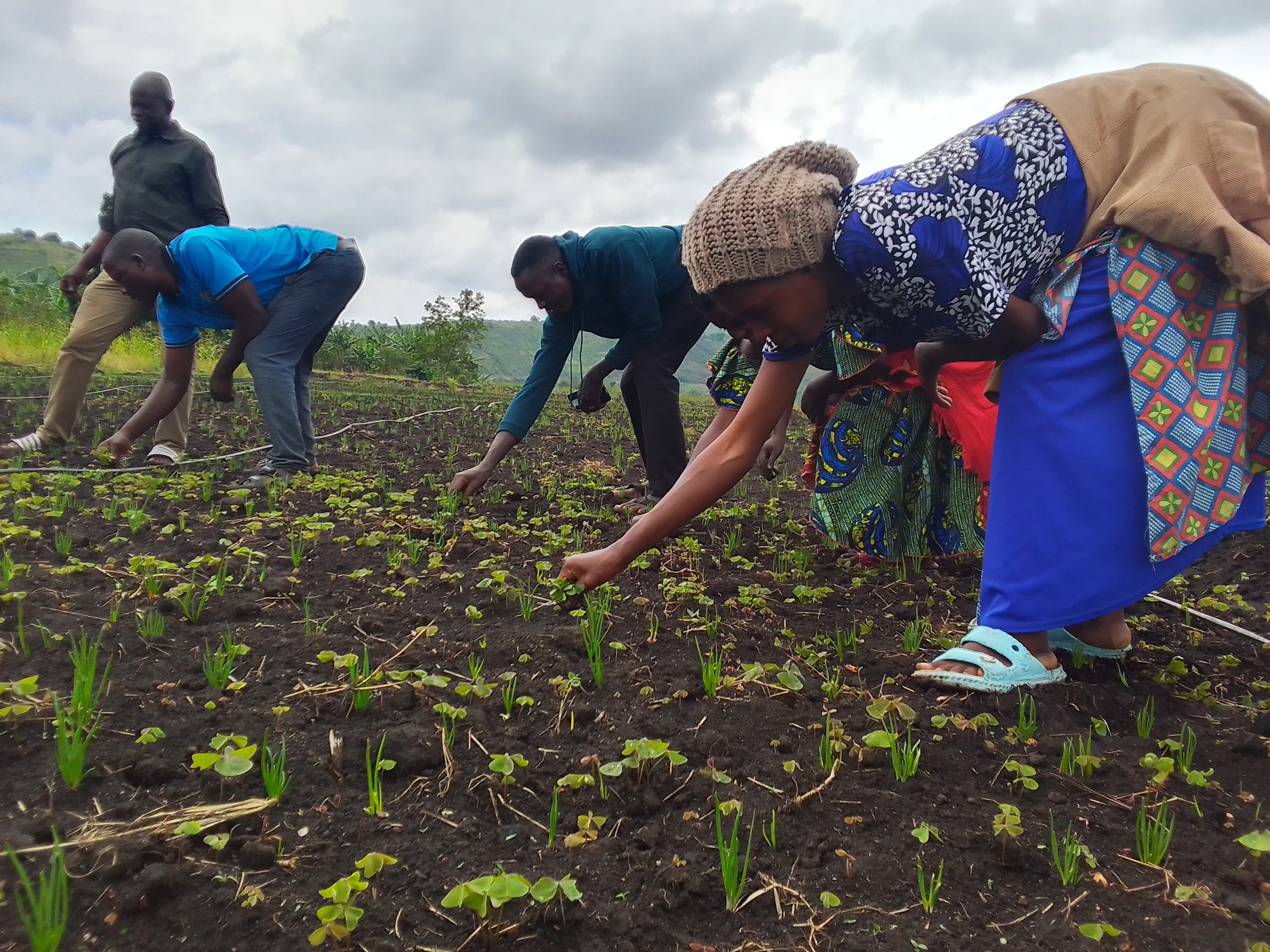
Now, with the reliable water source provided by the solar-powered system, Kanyesigye and his fellow farmers have witnessed dramatic improvements in their agricultural output. Since the project’s launch, their fields have flourished. Kanyesigye shared that they now have three full harvests a year—an extraordinary leap from the traditional two seasons they once had to wait for. “Before, we were just getting by. The crops couldn’t survive without rain, but now we can grow all year round,” he explained. “It’s like a miracle—our church, our community, and our farmers are all thriving.”
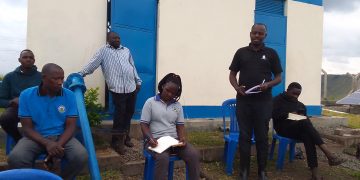
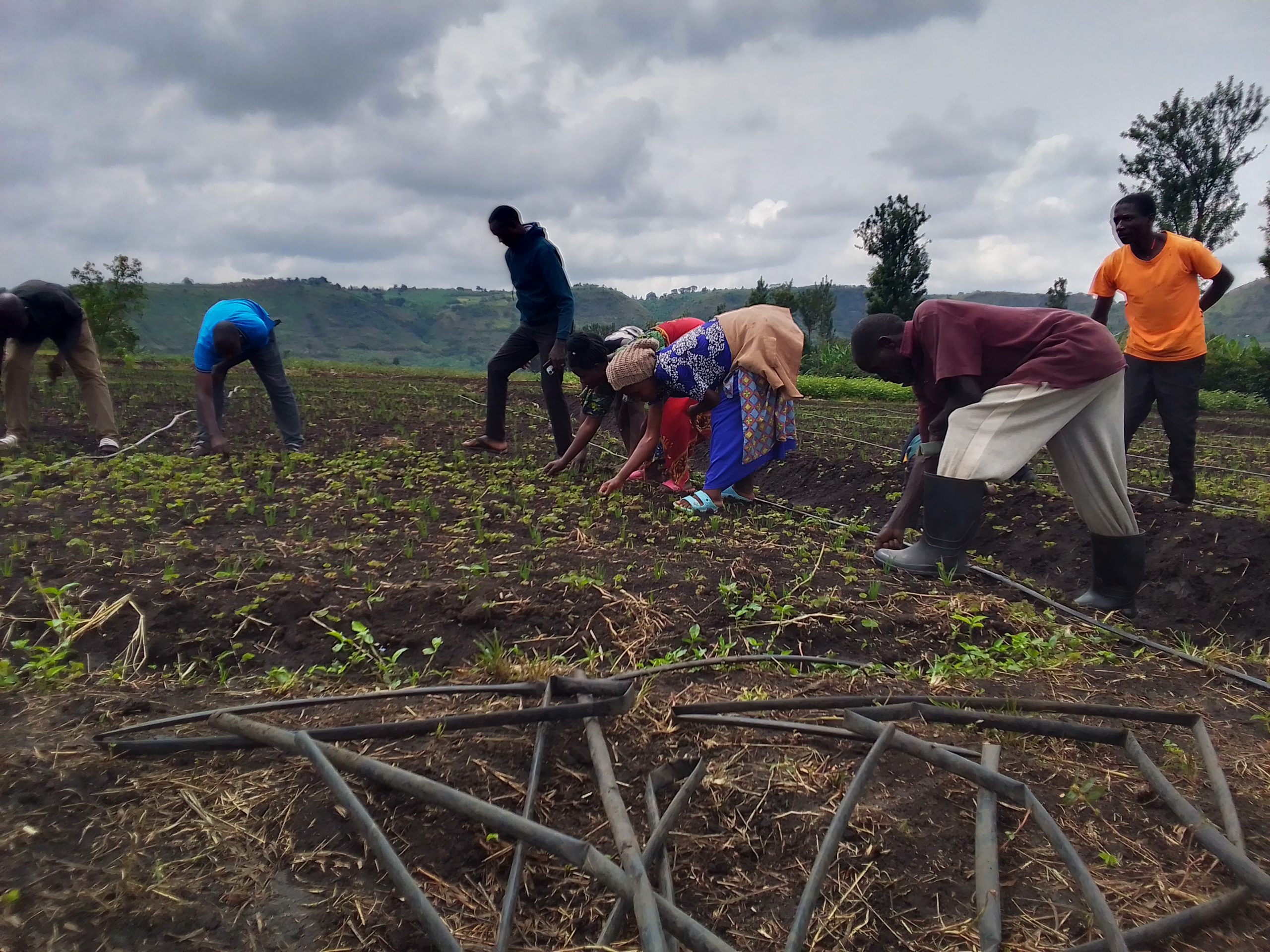
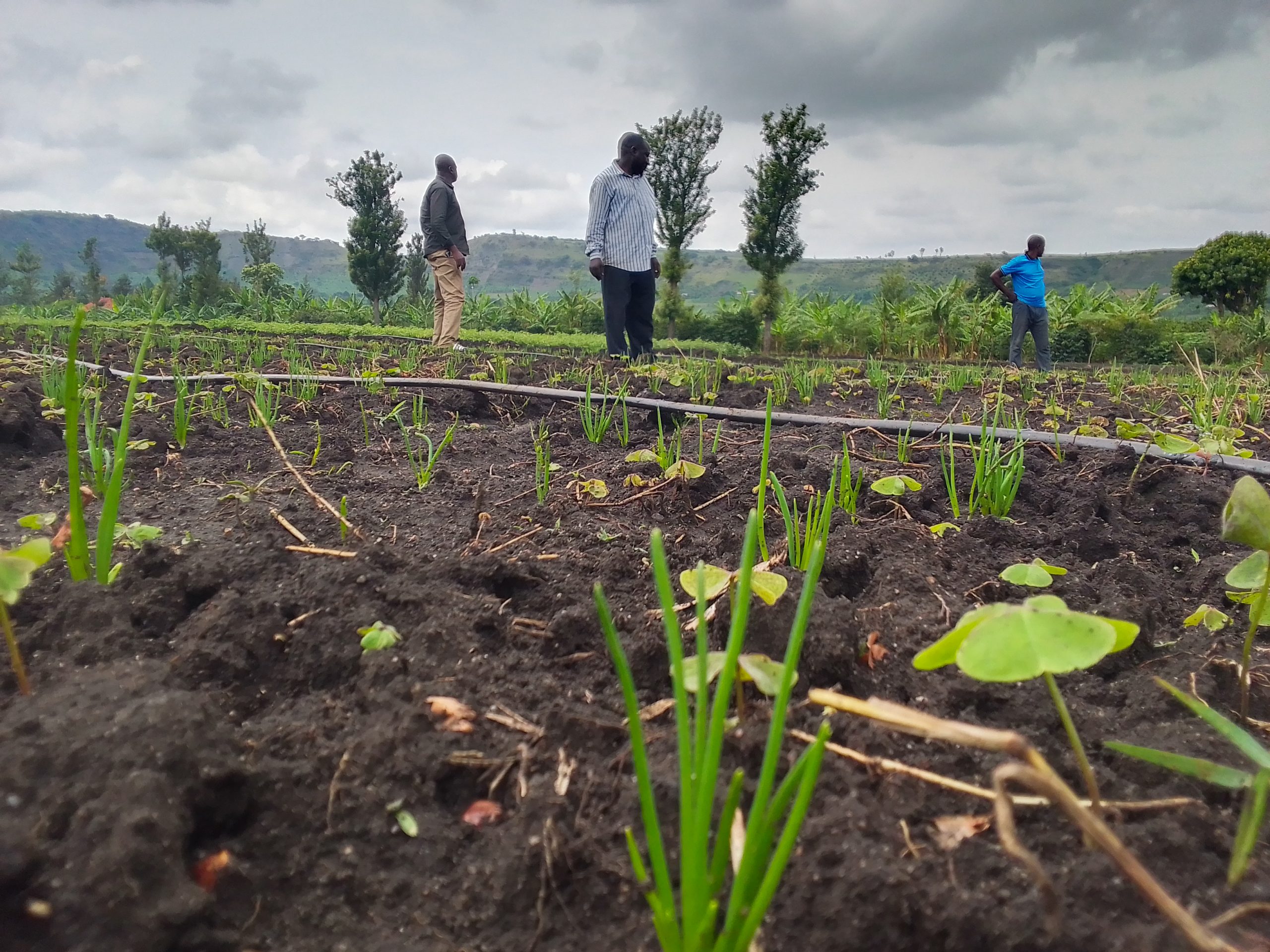
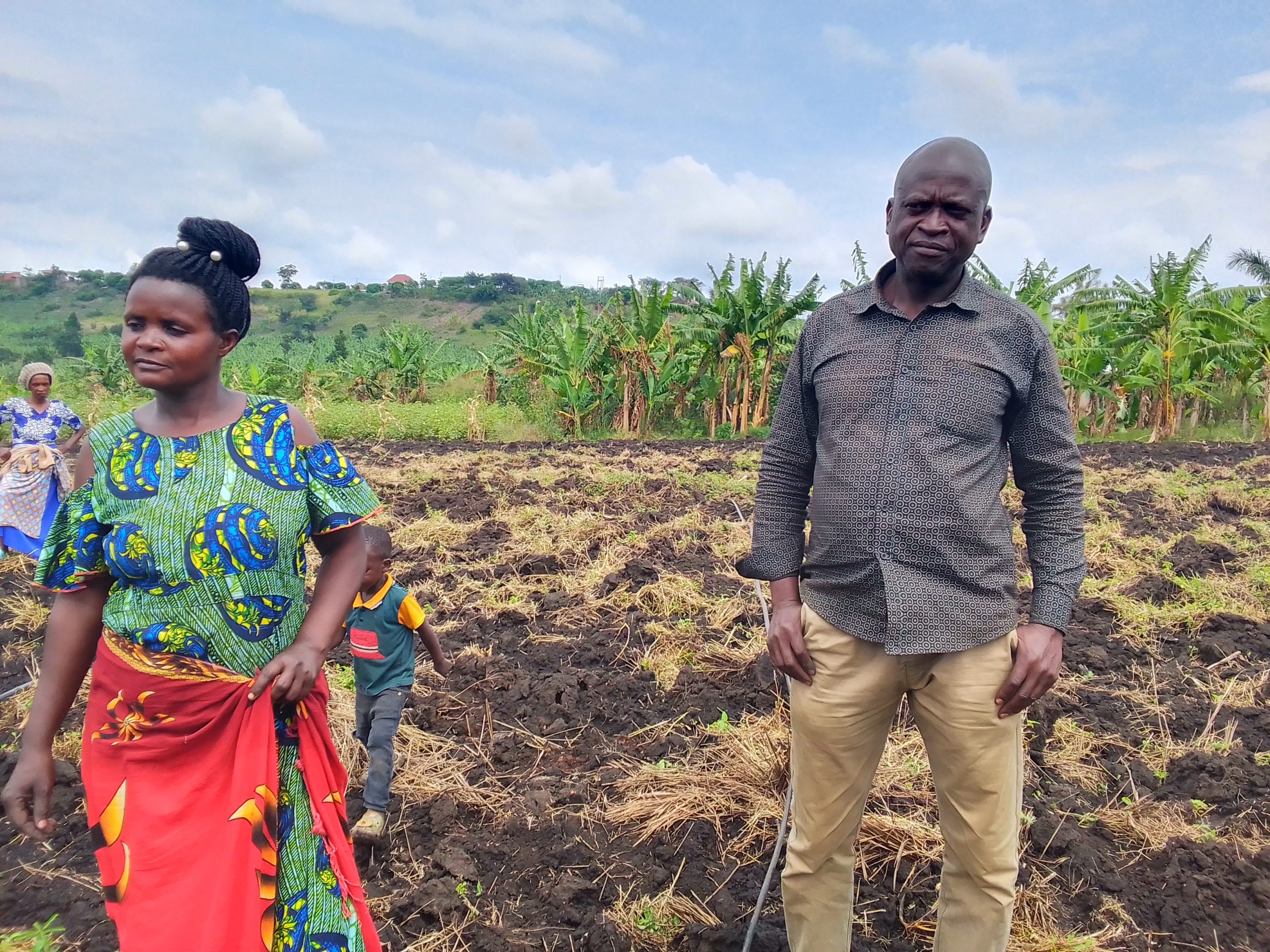
The impact has been huge. Apollo Byaruhanga, the Water Users Chairman on behalf of the church, proudly explained that the church’s success story has inspired nearby farmers to join forces and create a larger, cooperative farming operation. Byaruhanga, along with local farmers like David Kisembo, Bernard Twinamatsiko, and others, have pooled together 12 acres of land to cultivate a range of crops including coffee, bananas, and tomatoes. By working together, they’ve been able to share resources and make the most of the solar-powered irrigation system.
David Kisembo, a coffee farmer and owner of a coffee milling machine, spoke about how his earnings have surged since the installation of the irrigation system. Before the system, Kisembo would struggle to earn between 15 and 18 million shillings annually during the dry seasons. Now, thanks to the irrigation project, he consistently makes more than 20 million shillings each year. “We no longer have to depend on just the rainy season,” Kisembo said. “Now we have three harvests a year—more money, more food, and more hope for my family.”
The impact of the solar irrigation system isn’t just felt by farmers growing cash crops. Other farmers, like Adrine Kyotungire, who grows watermelons, bananas, and coffee, have experienced a similar transformation. Kyotungire had long relied on National Water and Sewerage Corporation (NWSC) for water, but it was both unreliable and expensive. As a result, she often had to make do with the minimal rain that came during the two rainy seasons each year. Her typical earnings before the irrigation system were about 600,000 shillings per year. Now, after just one season using the solar-powered irrigation system, Kyotungire’s income has jumped to 3 million shillings—an astonishing increase.
Kyotungire is eager for even more improvements. She requested that MWE add additional water tanks to the system to ensure even greater supply and help her and her fellow farmers grow even more crops. “If we had two more tanks, we could irrigate even more land and boost our productivity,” she said. “I know we can grow even more with more water.”
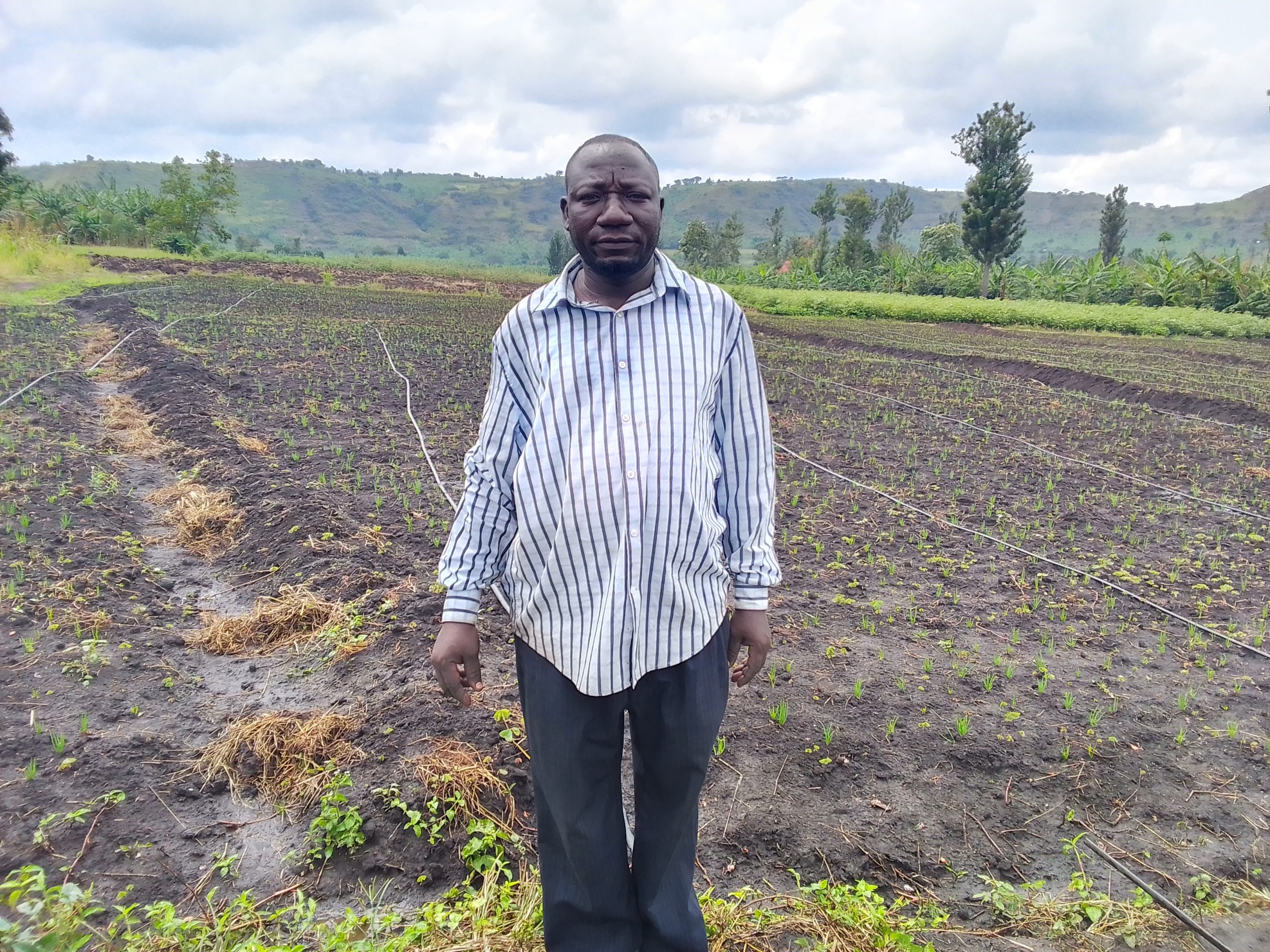
Benon Twinamatsiko, another farmer who cultivates onions, tomatoes, and cabbage, also reported impressive results. Before the installation of the irrigation project, Twinamatsiko barely earned enough to feed his family. In his first two seasons using the new irrigation system, his income skyrocketed from 3 million shillings to over 8 million shillings.
The extra money has allowed him to purchase additional land, and he plans to invest in raising goats as well as continuing to support his children’s education. Twinamatsiko’s success story is one of many, and it shows how the Kafuro Solar-Powered Irrigation Project is changing lives in ways that go far beyond agriculture.
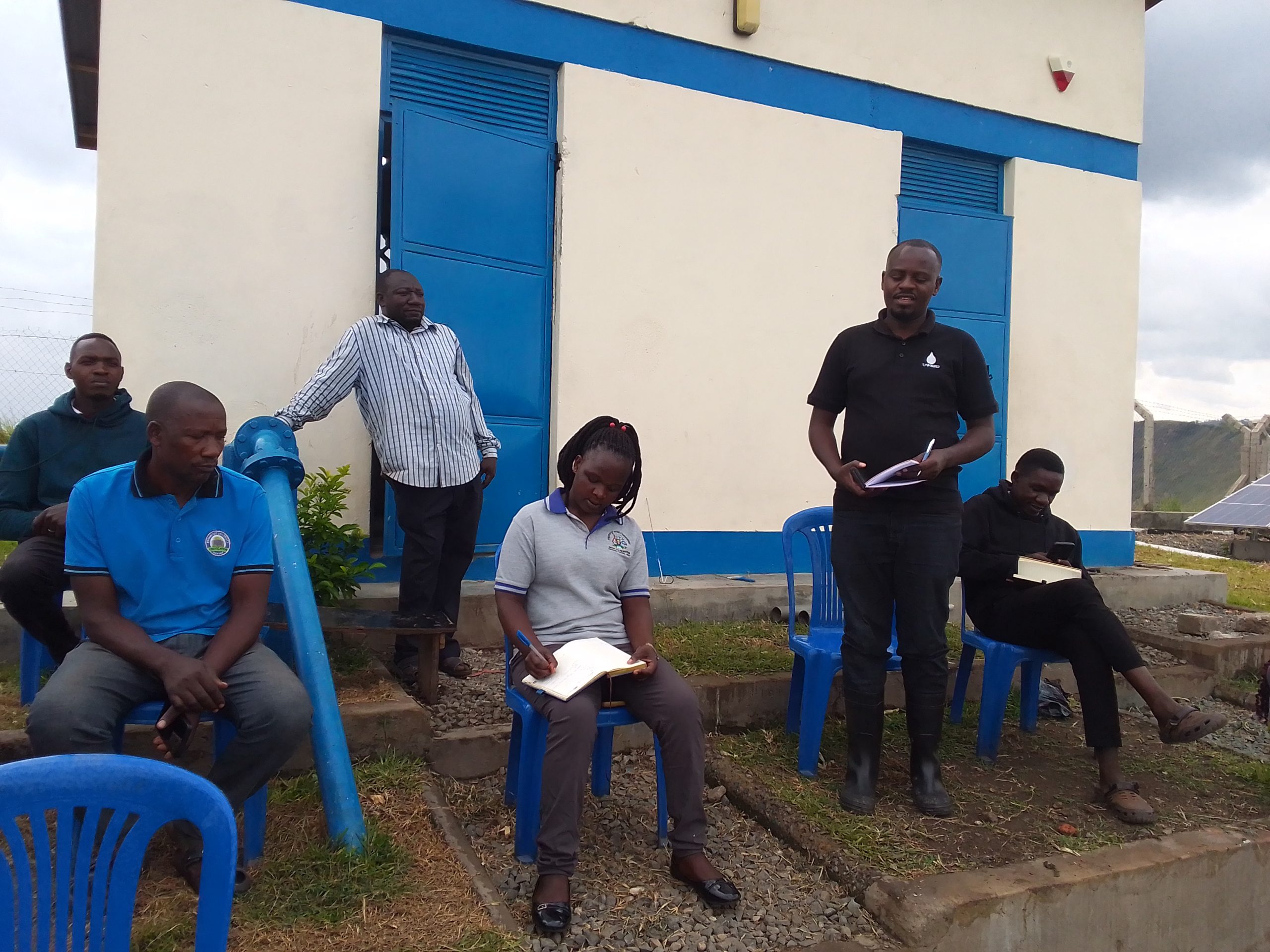
Noel Muhangi, the Public Relations Officer for MWE, was quick to emphasize that the solar-powered irrigation system is a model for other regions facing similar challenges. “The success of this project is not just about increasing crop yields,” Muhangi said. “It’s about creating jobs, enhancing food security, and improving the lives of farmers. We want to take this model to other dry areas and help even more communities thrive.”
Monica Twikirize, the Supervising Engineer for Nexus Green in Western Uganda, also spoke highly of the project. She explained that the solar-powered systems were designed to be both environmentally friendly and highly effective. The system at Kafuro uses 16 solar panels to pump water from Lake Kyamwiga into a reservoir, from where it is distributed to the farmers through an extensive network of pipes. The technology ensures that farmers have constant access to water without depending on unreliable or costly external sources.
The social and economic benefits are already clear. Increased productivity, the creation of alternative income-generating activities, greater food security, and even the restoration of degraded wetlands are just some of the positive impacts of the Kafuro Solar-Powered Water Irrigation Project. And as the project continues to benefit local farmers, it serves as a shining example of how solar energy and modern infrastructure can solve some of the most pressing challenges facing rural communities in Uganda and beyond. (For comments on this story, get back to us on 0705579994 [WhatsApp line], 0779411734 & 041 4674611 or email us at mulengeranews@gmail.com).