







By Mulengera Reporters
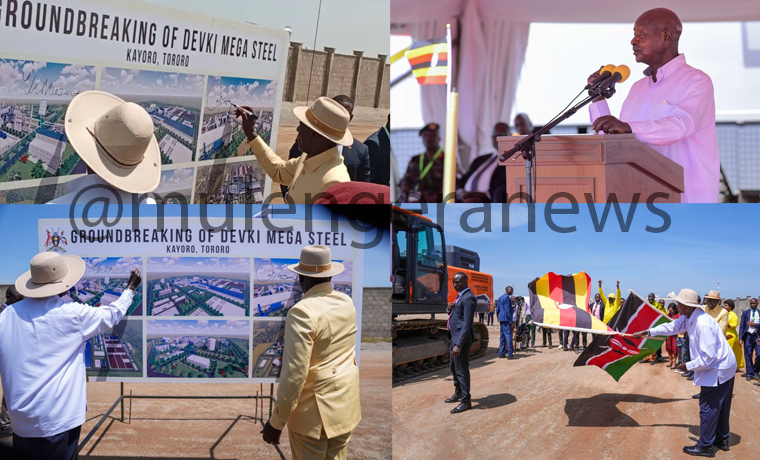
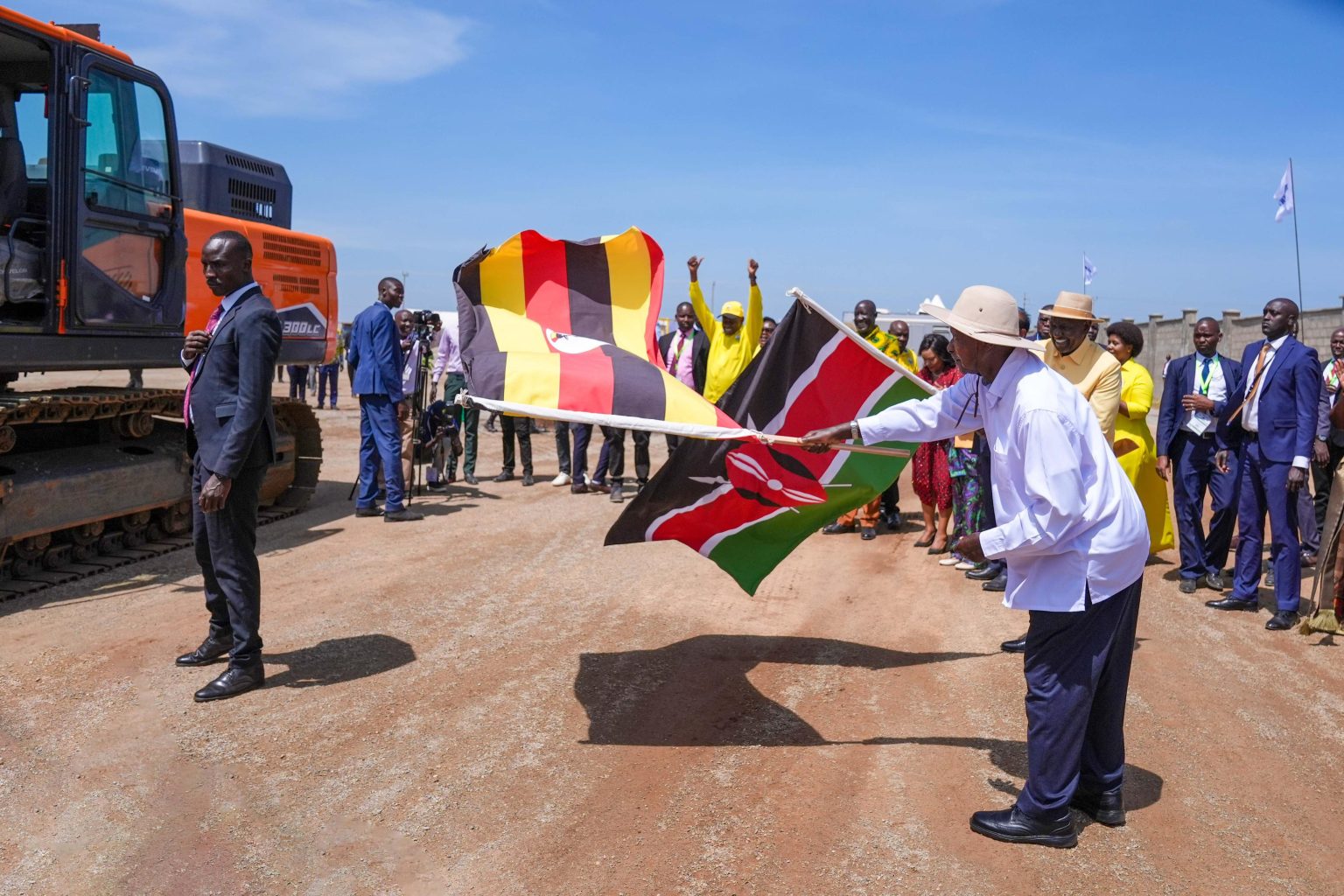
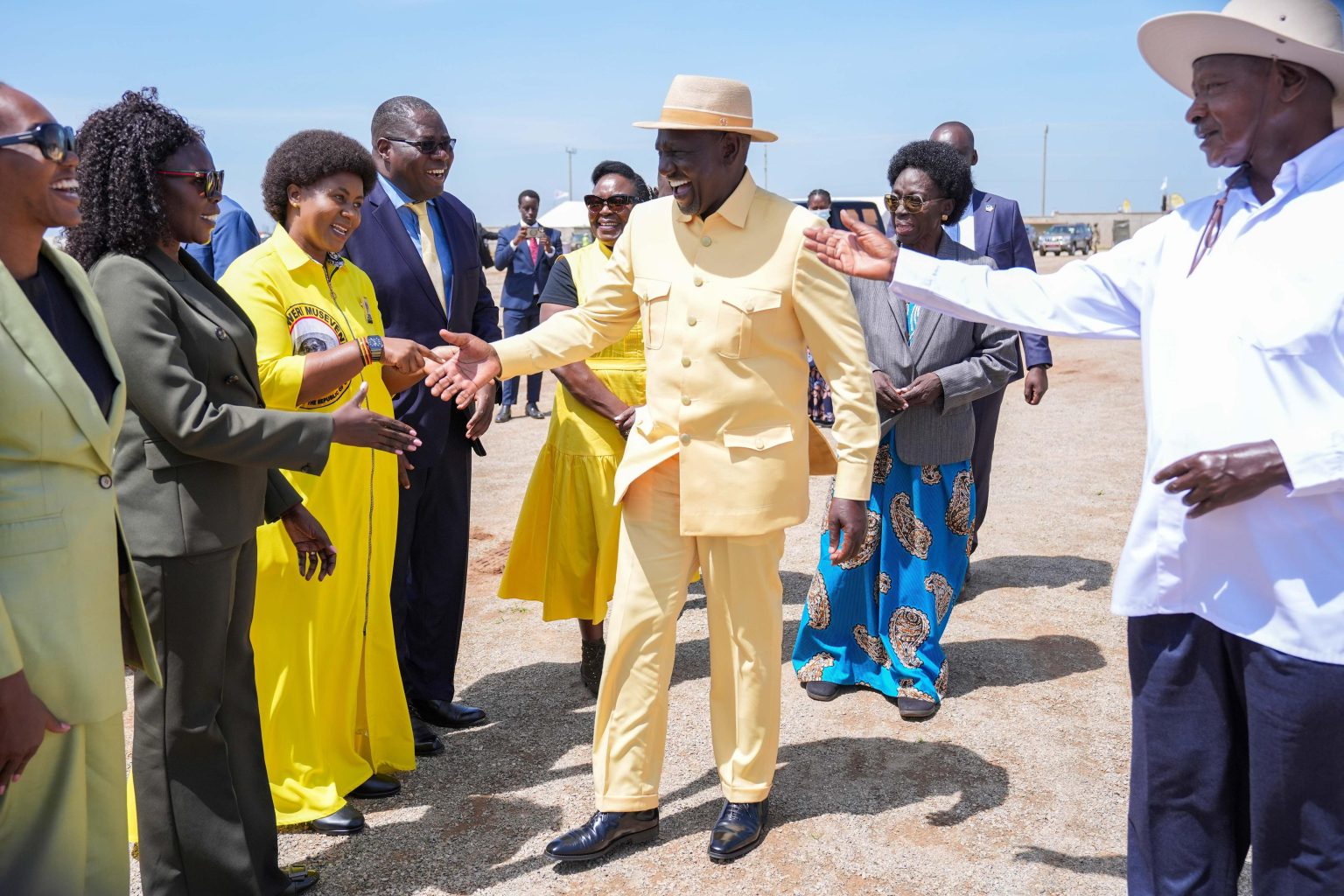
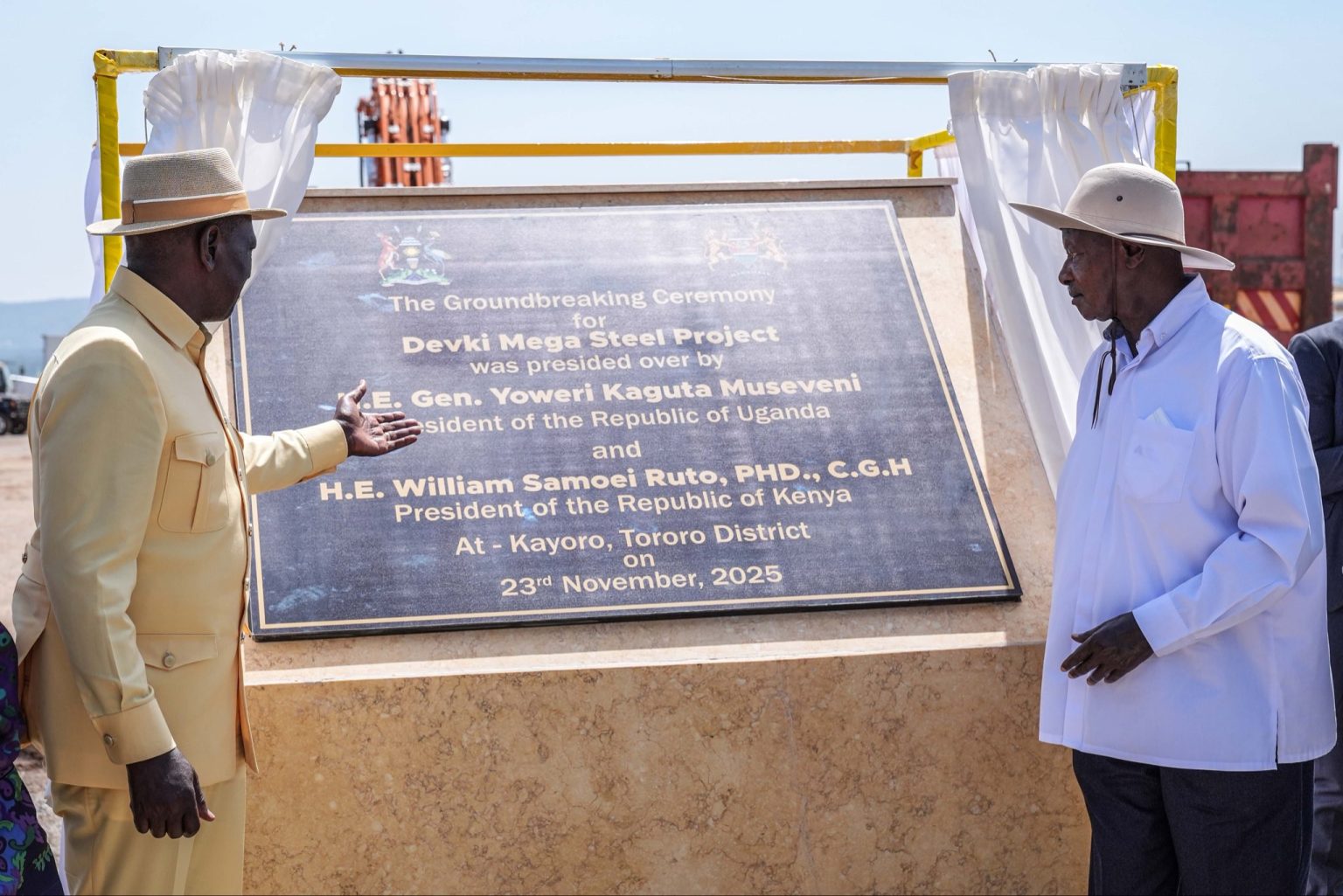
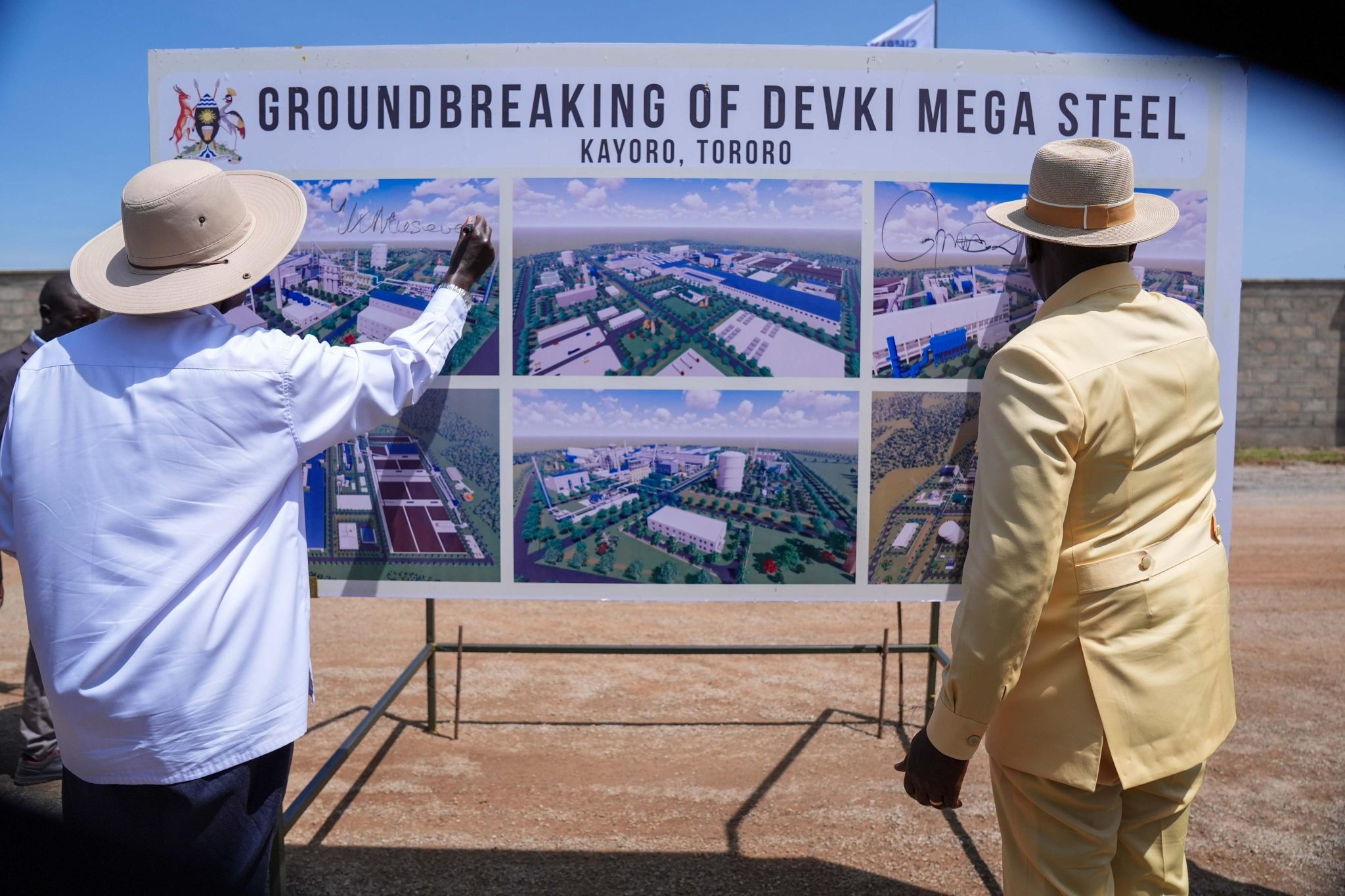
In a historic move set to reshape Uganda’s industrial landscape, Presidents Yoweri Museveni of Uganda and William Ruto of Kenya officially launched the $500 million Devki Mega Steel Plant in Tororo, Uganda, marking a significant step in the region’s economic transformation.
The groundbreaking ceremony, attended by top political and business leaders, signaled the beginning of a new era for East African industrialization.

However, President Museveni urged Ugandans to remain vigilant in protecting the long-term benefits of this monumental project, which promises to create thousands of jobs and reduce Uganda’s reliance on imported steel.

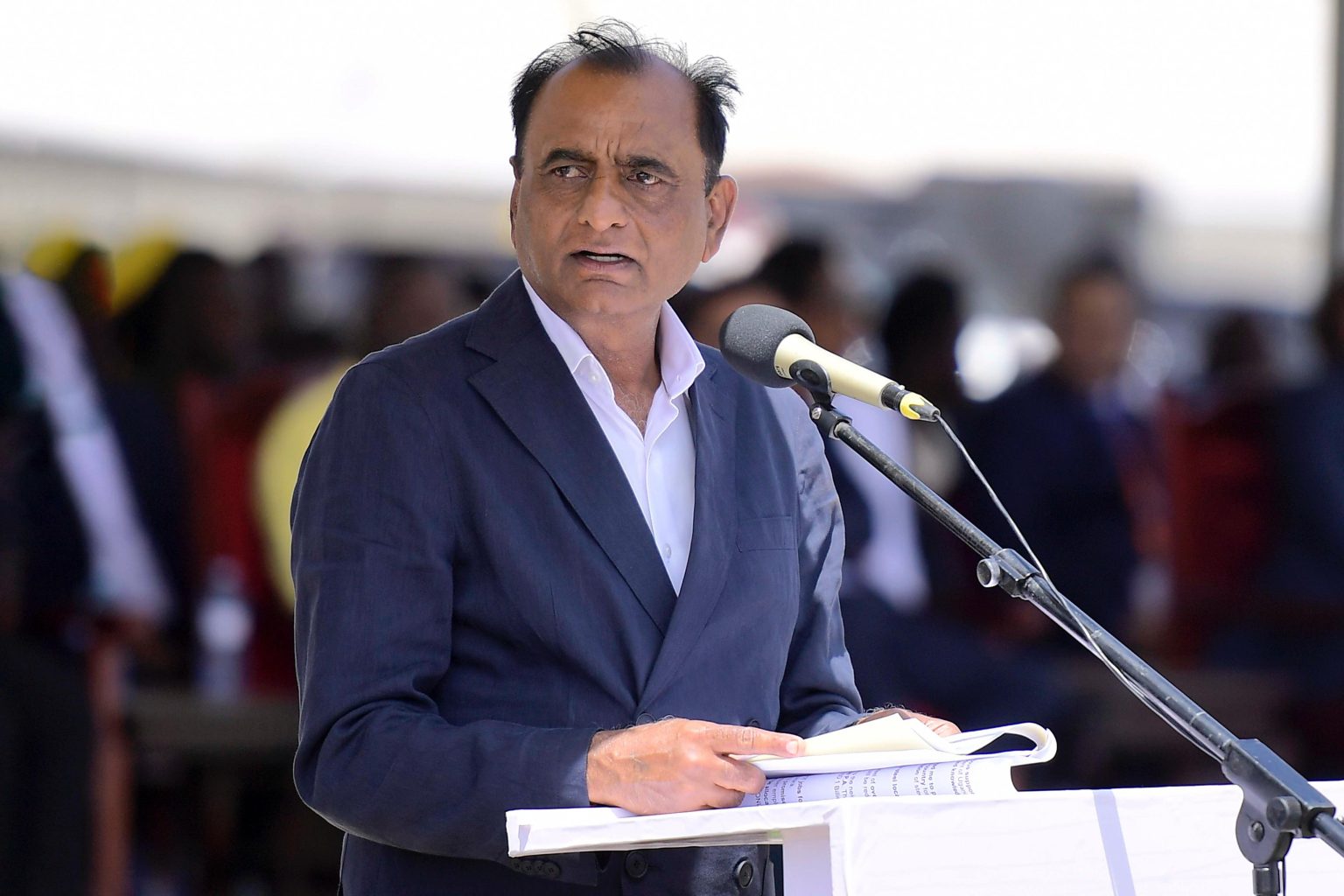
This mega project, spearheaded by Kenyan industrialist Dr. Narendra Raval nicknamed Guru of the Devki Group, represents a bold leap in Uganda’s industrial ambitions.
The plant will directly create 15,000 jobs in the region, with an additional 5,000 positions expected to be filled by local communities in Tororo. By 2027, the workforce could grow to 20,000 as the plant expands.
The project will also produce high-quality steel using world-class blast furnace technology, significantly cutting Uganda’s $500 million annual steel import bill and positioning the country as a key player in the global steel market.

A Vision of Economic Liberation
In his speech, President Museveni framed the project as part of Africa’s broader struggle for economic liberation. He emphasized the importance of adding value to Africa’s natural resources instead of exporting raw materials. “Today, we are in the process of liberating Africa,” Museveni declared, stressing that Uganda must stop exporting unprocessed minerals and instead build local industries that generate jobs and wealth.
The Devki Mega Steel Plant is central to this vision, providing a sustainable, long-term solution to Uganda’s steel needs while offering a boost to the national economy.
Museveni also highlighted the significance of Uganda’s mineral resources, particularly iron ore, in realizing this vision. Uganda’s iron ore reserves are among the largest in the region, with high-grade hematite and magnetite deposits estimated at over 400 million tons.
This mineral wealth is the backbone of the new steel industry, which will now create jobs, foster innovation, and reduce reliance on foreign imports.
Strengthening Regional Cooperation
President William Ruto of Kenya echoed Museveni’s sentiment, praising the close collaboration between the two countries. “This project is the result of visionary leadership, daring entrepreneurship, and enduring partnership between the private sector and our two governments,” Ruto said.
He emphasized the rising demand for steel across Africa, which is projected to grow from 39.5 million tons in 2024 to 52 million tons by 2034, driven by infrastructure development and industrialization. “Uganda and Kenya are uniquely positioned to make a considerable leap in the regional and international steel market,” Ruto added.
Ruto also highlighted the plans to extend the Standard Gauge Railway (SGR) to Tororo to support the logistics of heavy industries like steel production.
This expansion will connect Tororo to key industrial hubs across East Africa, enhancing trade and economic integration.
Dr. Raval’s Commitment to Local Development
Dr. Narendra Raval, the Kenyan industrialist behind the Devki Group, reinforced his commitment to Uganda’s economic development and job creation. “We are not just building a factory; we are building a legacy for Uganda,” Raval said, noting that the plant would use the best steel production technology available globally to ensure top-quality products.
The Devki Mega Steel Plant will create 15,000 direct jobs in its first phase, with 90% of the workforce coming from Uganda, particularly from Tororo.
Raval also promised that the plant would provide extensive training for local workers, ensuring long-term sustainability and local capacity building. “This project will bring jobs, stability, and opportunities for Ugandans,” Raval said, adding that it would significantly reduce the country’s dependency on steel imports, thereby saving millions of dollars annually.
Raval further announced plans to build a second iron ore refinery in Kabale, which will create an additional 16,000 jobs. This move will further enhance Uganda’s industrial capacity and reduce the need to import iron ore, making Uganda a hub for steel production in the region.
Minister Ruth Nankabirwa’s Role in Uganda’s Industrialization
Minister for Energy and Mineral Development, Ruth Nankabirwa, also played a crucial role in supporting Uganda’s industrialization efforts.
In her remarks, Nankabirwa highlighted the importance of Uganda’s iron ore reserves and the robust legal framework put in place to encourage mineral-based industrialization. “Our mineral resources are a cornerstone of Uganda’s economic future,” she said. “With over 318 million tons of hematite and 111 million tons of magnetite in Uganda, the Devki Mega Steel Plant is a pivotal step toward realizing the full potential of our resources.”
Nankabirwa emphasized that Uganda’s mining policies were aligned with the government’s broader industrialization strategy, which aims to reduce the country’s reliance on raw material exports and build a sustainable manufacturing sector. This approach, she said, would foster long-term economic growth and development for Uganda and the entire East African region.
Why This Project Matters for Uganda’s Future
The Devki Mega Steel Plant is one of the largest industrial investments in East Africa, with the potential to transform Uganda’s manufacturing sector and reduce its trade deficit.
By shifting from importing steel to producing it locally, Uganda will save over $500 million annually, which can be reinvested in other critical sectors such as education, health, and infrastructure.
The plant will also help Uganda build its export capacity, generating over $400 million per year from steel exports to neighboring countries.
Beyond the economic benefits, the project will have a far-reaching impact on job creation.
With 15,000 direct jobs initially and 5,000 more in the local community, the plant offers much-needed employment opportunities in a country where youth unemployment is a pressing issue.
It will also provide the foundation for future industrial growth, positioning Uganda as a key player in East Africa’s industrial revolution.
A Call to Action: Protecting Uganda’s Economic Gains
As the Devki Mega Steel Plant begins its operations, President Museveni was clear in his call to Ugandans: “We must protect these gains.”
The plant represents not only an industrial success but a critical opportunity for Uganda to solidify its place in the global manufacturing economy.
The local communities in Tororo and Mbarara, along with the broader Ugandan workforce, must be engaged in ensuring that the benefits of this project are felt across the country for years to come.
As Uganda prepares for its 2026 general elections, the success of the Devki Mega Steel Plant could become a defining issue in the political landscape. Voters will likely reflect on the tangible benefits of industrialization job creation, economic growth, and regional cooperation that have been made possible by this partnership.
The plant stands as a powerful reminder of the potential for African nations to take control of their resources and shape their own economic futures.
The message is clear: Uganda’s industrial future is bright, but it’s up to every Ugandan to protect and nurture the opportunities that projects like the Devki Mega Steel Plant provide. (For comments on this story, get back to us on 0705579994 [WhatsApp line], 0779411734 & 041 4674611 or email us at mulengeranews@gmail.com).