







By Ben Musanje
Uganda’s journalists are racing to protect themselves as online threats skyrocket before the 2026 elections.
Leading the charge is Brian Byaruhanga, Technology Officer at CIPESA, who is running an urgent training program backed by BBC Media Action to shield reporters from hackers, online abuse, and digital attacks.
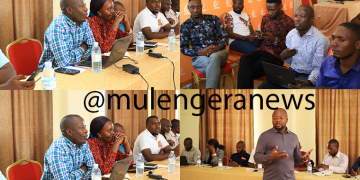
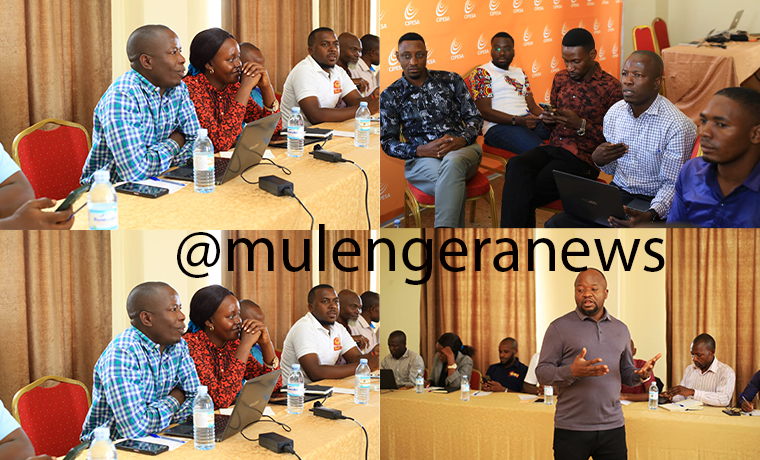
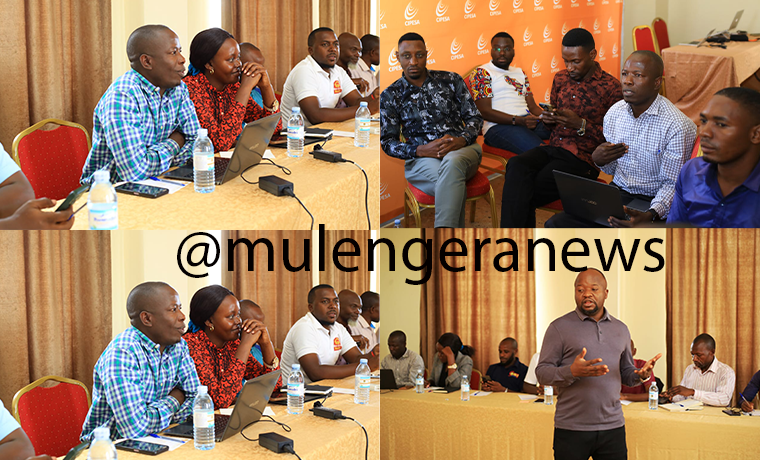
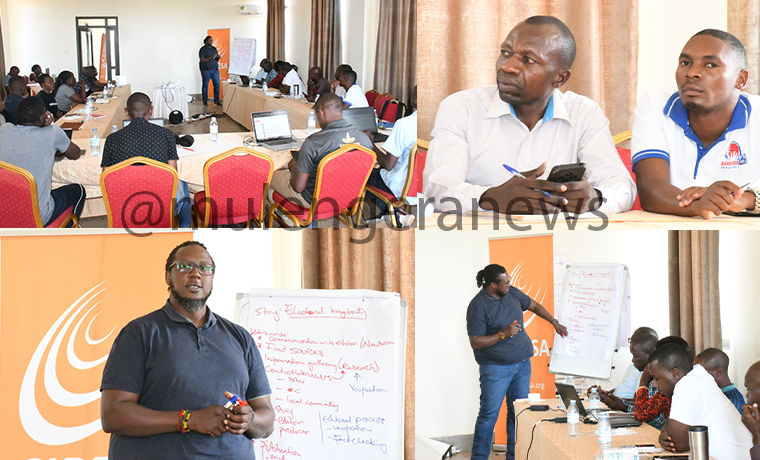
At Esella Country Hotel in Kira division, Wakiso district, journalists went through an intense two-day workshop to learn how to stay safe online.

Many said they had already faced hacked accounts, spying, harassment, and attacks on their devices. Some women journalists have even stopped posting online because the threats are too strong.

Byaruhanga and his team taught reporters how to spot suspicious links, avoid phishing, block malware, and secure their devices with strong passwords and two-factor authentication. They also learnt how to spot false information that spreads fast during elections.
The need is urgent. Previous elections saw internet shutdowns, censorship, and attacks on journalists. The training was meant to keep reporters able to share accurate news even when the online world becomes dangerous.
About 150 journalists have been trained, with a goal to reach 300. But the dangers keep evolving, so many journalists return for extra lessons. Trainers also warned about free VPNs, which can steal data, and urging the use of secure, trusted tools instead.

For these journalists, the training is more than a class—it is survival. In a digital world where a single click can put their safety, work, or voice at risk, learning to protect themselves has become a matter of life and career. (For comments on this story, get back to us on 0705579994 [WhatsApp line], 0779411734 & 041 4674611 or email us at mulengeranews@gmail.com).