





By Aggrey Baba
The Ministry of Gender, Labour and Social Development has warned that the weakening of traditional family and community support systems is leaving some out-of-school adolescents increasingly dependent on unregulated sources of information about health, relationships and growing up.
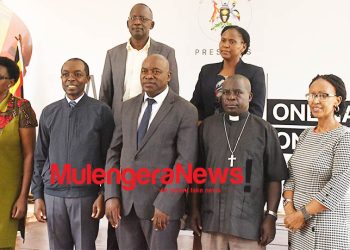
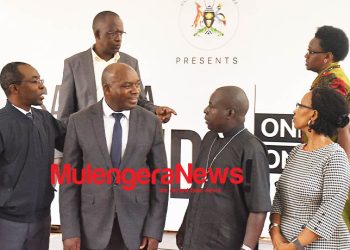
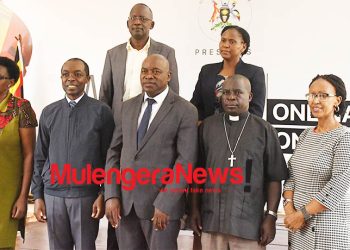
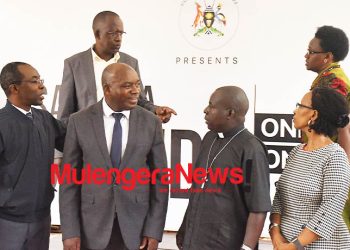
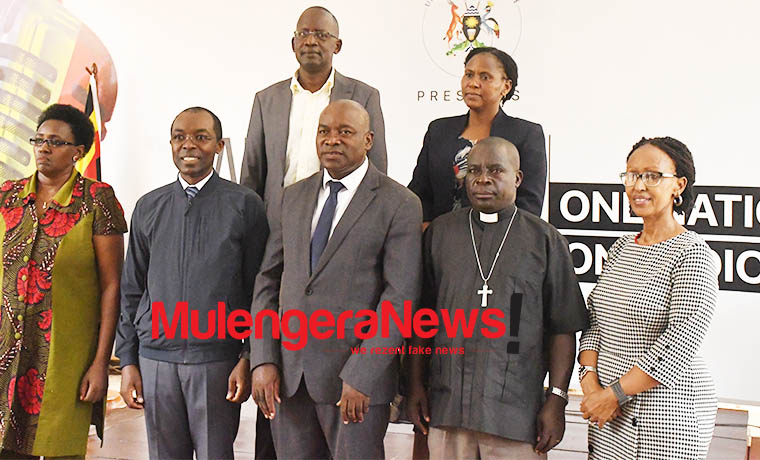
Patience Namanya, representing the ministry, raised the concern at the Uganda Media Centre on Monday, during a briefing on the forthcoming National Framework for Education on Health and Life Skills, a government initiative developed over the past year and a half to improve the guidance available to children and young people.
The framework, led by the Ministry of Education and Sports since March 2025, is scheduled for official launch on Wednesday, October 28, 2026 at the office of the President in Kampala.
Namanya said extended families and community structures had traditionally played an important role in guiding young people, transmitting cultural values and protecting children from harmful influences.
However, she noted that rapid urbanization, socioeconomic pressures and changing cultural norms had weakened these support systems.
As a result, some out-of-school adolescents were increasingly turning to unregulated sources, including social media and informal commercial sellers like social media sengas and kojjas, whom she described as commercial aunties and uncles.
The ministry said the situation underscored the need for coordinated interventions to ensure young people receive appropriate information and guidance as they transition into adulthood.
Namanya said the Ministry of Gender would support public awareness on adolescent development, family responsibilities and protective systems for children and young people.
The ministry will also advocate against customs and practices that violate children’s health and well-being while promoting the integration of values and life skills into relevant programmes.
Through its Department of Youth and Children Affairs, the ministry has developed national guidelines for out-of-school adolescents and young people.
Namanya said the guidelines were anchored in the broader national framework, which seeks to coordinate the efforts of government institutions and other stakeholders.
The framework covers five areas, including growth and human development, relationships, life skills and keeping safe, health and well-being, and responsible citizenship.
It is intended to benefit both children attending school and those outside formal education, ensuring that access to health and life skills education is not limited to the classroom.
The initiative involves the Ministry of Education and Sports, Ministry of Health, Office of the First Lady, Uganda AIDS Commission, Interreligious Council of Uganda and other stakeholders.