





By Aggrey Baba
[Civil society groups warn that the ruling party’s increased charges for flag bearership could sideline aspiring leaders from vulnerable groups, threatening inclusive participation in Uganda’s political space].
A wave of criticism is mounting against Uganda’s ruling party, the National Resistance Movement (NRM), following its recent announcement to double nomination fees for various party positions, a move many fear could exclude youth, women, and economically disadvantaged aspirants from active political participation.
According to the party’s revised roadmap, the fee for contesting the position of national party chairperson has been increased from UGX 10 million to UGX 20 million. The vice chairperson’s nomination fee has risen from UGX 5 million to UGX 10 million, while aspiring Members of Parliament under the NRM ticket will now pay UGX 3 million, up from UGX 2 million.
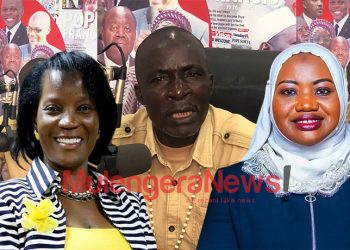
The Forum for Women in Democracy (FOWODE), through its Executive Director Patricia Munabi, has expressed deep concern, warning that the new fees could hinder inclusive participation in politics.
“We’re always encouraging women to participate and engage in politics and national leadership, but with such surged charges, many are most likely to be left out,” Munabi said, emphasizing that the youth and women, already grappling with financial constraints, are at particular risk of exclusion.

Henry Muguzi, the Chairperson of the Alliance for Finance Monitoring, acknowledged that money and politics are often intertwined, noting similar trends across Africa.

“In Ghana and Nigeria, political parties are known to charge as high as USD 40,000,” he said.
However, Muguzi warned that such exorbitant charges should not become the standard.
“The NRM needs to reconsider this. While political financing is essential, it must remain affordable to ensure broader participation and fairness.”
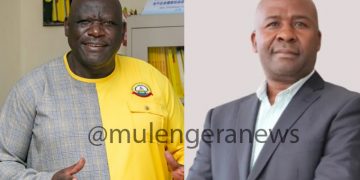
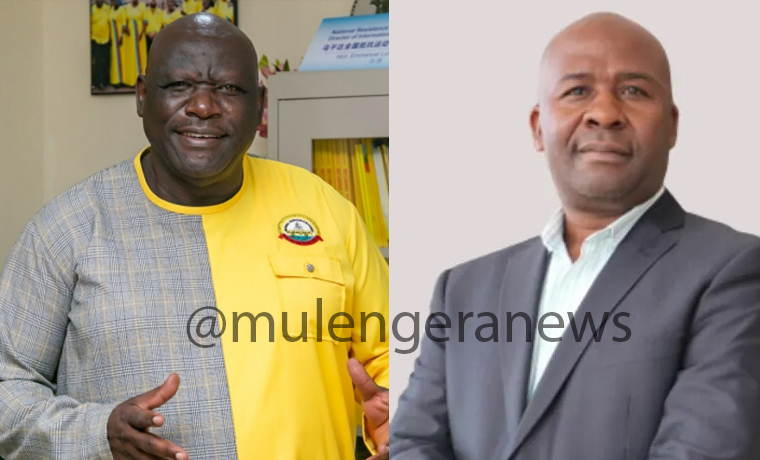
Despite the backlash, the NRM leadership remains unapologetic. Emmanuel Dombo, the party’s Director for Information and Publicity, defended the decision, saying it followed wide consultations with stakeholders including the Central Executive Committee (CEC), the NRM Parliamentary Caucus, and district leaders. “We consulted everyone, and there was consensus,” Dombo said.
He added that the changes were reflective of the party’s belief in economic progress. “If someone cannot raise UGX 20 million, they should consider running for other positions like vice chairperson, MP, or district chairperson. After all, UGX 3 million is equivalent to two or three cows.”
However, political analysts warn that this financial barrier could backfire on the party. There are growing fears that potential candidates unable to meet the new fees might either run as independents or join opposition parties, leading to internal fragmentation and the loss of credible leaders.
As the NRM prepares for its internal primaries, the tension between financial sustainability and democratic inclusivity continues to ignite debate, raising critical questions about the future of political participation in Uganda. (For comments on this story, get back to us on 0705579994 [WhatsApp line], 0779411734 & 041 4674611 or email us at mulengeranews@gmail.com).