







By Mulengera Reporters
A family land dispute involving a 55-decimal piece of land in Luteete, Kasangati Town Council, Wakiso District, has ended up in court, with two administrators of an estate accusing their relatives of fraudulently including the contested property in another deceased family member’s estate.
Mohammed Ssekeba and Safina Namusisi, administrators of the estate of the late Musa Ssekeba, have sued their Aunties Sarah Mbejja and Olivia Nakalyowa, administrators of the estate of the late Juma Musoke, before the Chief Magistrate’s Court of Kasangati.
In a civil suit number 56 of 2026, the plaintiffs want court to declare that the disputed Kibanja land, situated in Luteete A, Kelezia Zone, Masooli Ward, does not form part of Juma Musoke’s estate but instead belongs to the estate of Musa Ssekeba.

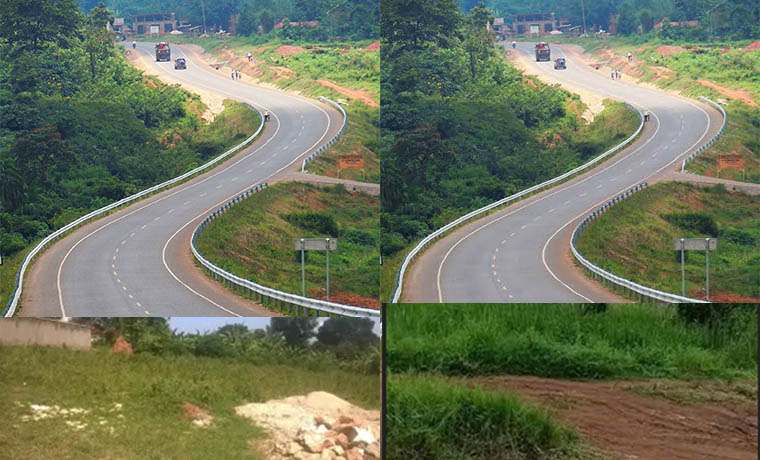
The disputed property, located along the Kampala-Gayaza Highway, is estimated to be worth Shs120 million.

According to the plaint, the dispute stems from an alleged family land allocation dating back several decades.
The plaintiffs contend that the land originally belonged to their great-grandmother, the late Eseza Nabunya, who allegedly owned approximately five acres in Luteete.
They claim that Nabunya, who was the biological mother of Juma Musoke, gifted Musa Ssekeba a portion measuring approximately 150 feet by 150 feet during her lifetime.
The plaintiffs further state that their father took possession of the land in the 1980s, constructed a residential home and rental units, and remained in occupation until his death in 2015.
They claim that his children have since continued occupying the property and collecting rental income for the benefit of the estate’s beneficiaries.
The plaint states that Juma Musoke died in 1986, after which his remaining land, estimated at approximately four acres, was distributed among his children.
The plaintiffs argue that the late Musa Ssekeba participated in distributing his father’s estate among his siblings including, Sulait Kyazze, Hamisi Sempogo, Nuru Nakitanda, Sadiq Senior Mukasa, Sadiq Junior Mukasa, Haruna Bakisula Mayinja, Elizabeth Nabunya, Masitula Namayanja, Sulaiy Kisenyi, Dirisa Mwase, and Sulaiman Nkwanga among others. Musa Ssekeba retained his own share.
They further allege that the defendants and other family members received their respective beneficial shares, including land at Bunono in Entebbe, leaving no other estate property in dispute apart from a family burial ground.
Previous court ruling cited
In support of their ownership claim, the plaintiffs have cited a previous High Court decision in Civil Appeal No. 58 of 2012, which they say recognised their late father’s ownership of the disputed property.
According to the plaint, a trespass suit had previously been instituted against Musa Ssekeba, but the High Court ruled in his favour.
The plaintiffs also contend that some of their father’s siblings testified in his favour during those proceedings, while the current defendants did not challenge his ownership of the property.
They have further cited Criminal Case No. 266 of 2024, which was allegedly instituted by the defendants at the Chief Magistrate’s Court of Kasangati over claims of intermeddling in the estate of Juma Musoke.
The plaintiffs state that the criminal case was dismissed for lack of evidence establishing that the disputed land belonged to Musoke’s estate.
Accuse relatives of concealing beneficiaries
The plaintiffs have accused the defendants of deliberately concealing material information when petitioning for Letters of Administration to manage Juma Musoke’s estate.
They allege that during the process of obtaining a Certificate of No Objection and subsequently petitioning for the letters of administration, the defendants represented that Musa Ssekeba had died without leaving behind children.
However, the plaintiffs maintain that they are surviving children of Musa Ssekeba and beneficiaries of their grandfather Juma Musoke’s estate.
They contend that their exclusion from the succession proceedings denied them an opportunity to participate in the administration of the estate.
The plaintiffs also allege that the defendants listed the disputed 55-decimal property as the only asset belonging to Musoke’s estate, despite knowing that it had allegedly been gifted to Musa Ssekeba by his grandmother.
In their particulars of fraud and concealment, the plaintiffs accuse the defendants of falsely representing that Musa Ssekeba had no children, deliberately omitting them from the succession proceedings and wrongfully including the contested land in Juma Musoke’s estate.
They also accuse the defendants of attempting to sell the property without obtaining the consent of the beneficiaries of Musa Ssekeba’s estate.
Seek permanent injunction
The plaintiffs argue that their family has occupied the land for approximately 40 years without interference from the defendants and that the latter are consequently barred by prescription, laches and equity from asserting ownership over it.
They further claim that the defendants’ alleged attempts to interfere with their possession have caused them psychological distress and financial losses by disrupting tenants occupying the rental premises.
Through their lawyers, KOB Advocates & Solicitors, the plaintiffs are seeking declarations that the property belongs to Musa Ssekeba’s estate and that it does not form part of Juma Musoke’s estate.
They also want a permanent injunction restraining the defendants, their agents, servants or anyone claiming through them from selling, transferring, disposing of, developing or otherwise interfering with the property.
Additionally, they are seeking general damages, interest and costs of the suit.
The plaintiffs have indicated that they intend to rely on the previous court judgments, letters of administration, succession documents, photographs, an inventory of the estate property and a sketch plan of the disputed land during the trial.
The suit is yet to be determined, and the allegations against the defendants remain claims contained in the plaint. The defendants will have an opportunity to respond to the allegations in court.
No determination of ownership or liability in the present civil suit has yet been made.