




By Ben Musanje
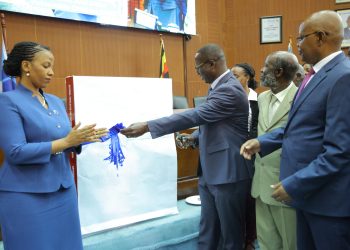
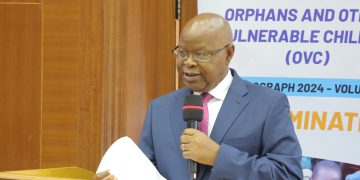
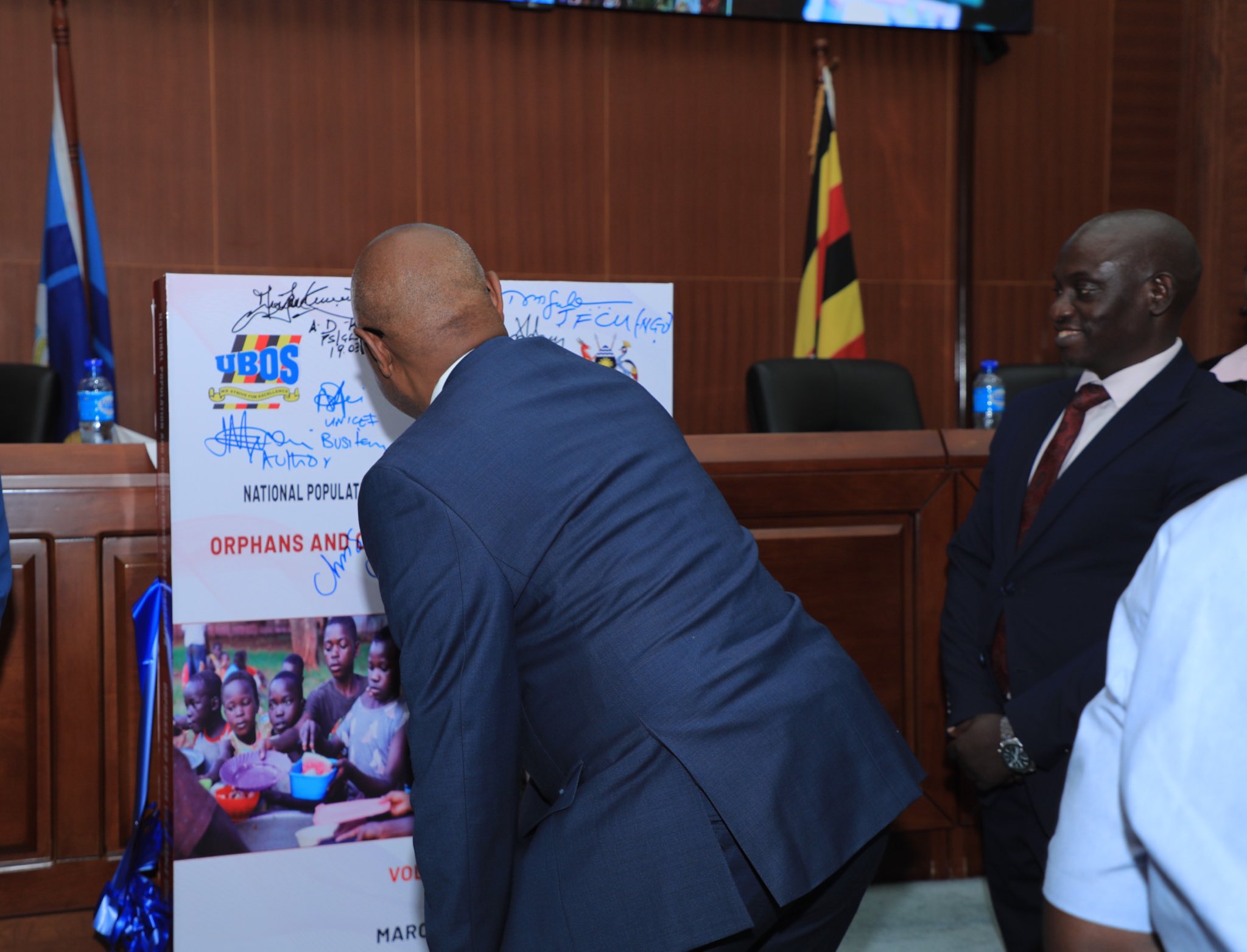
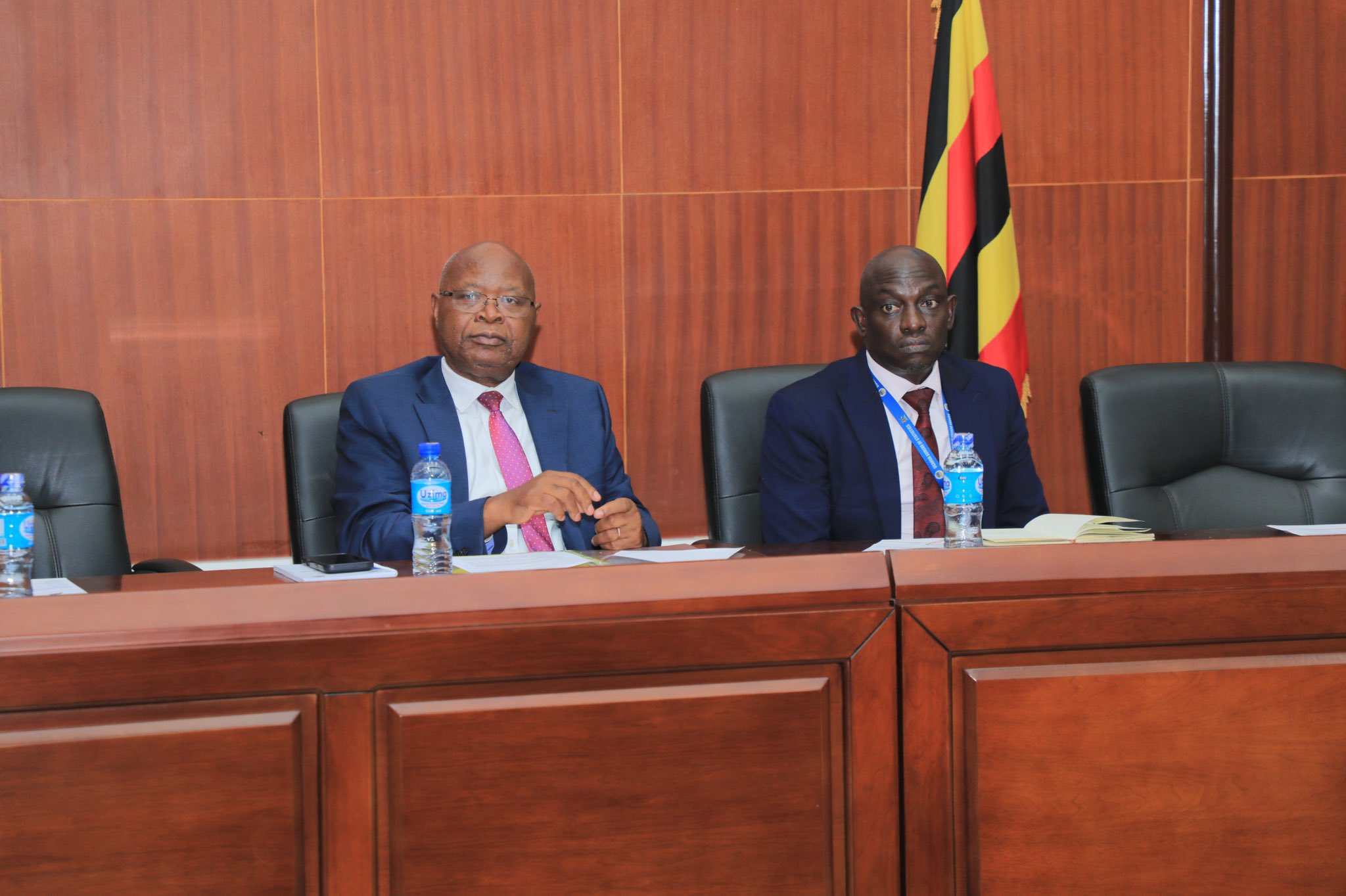
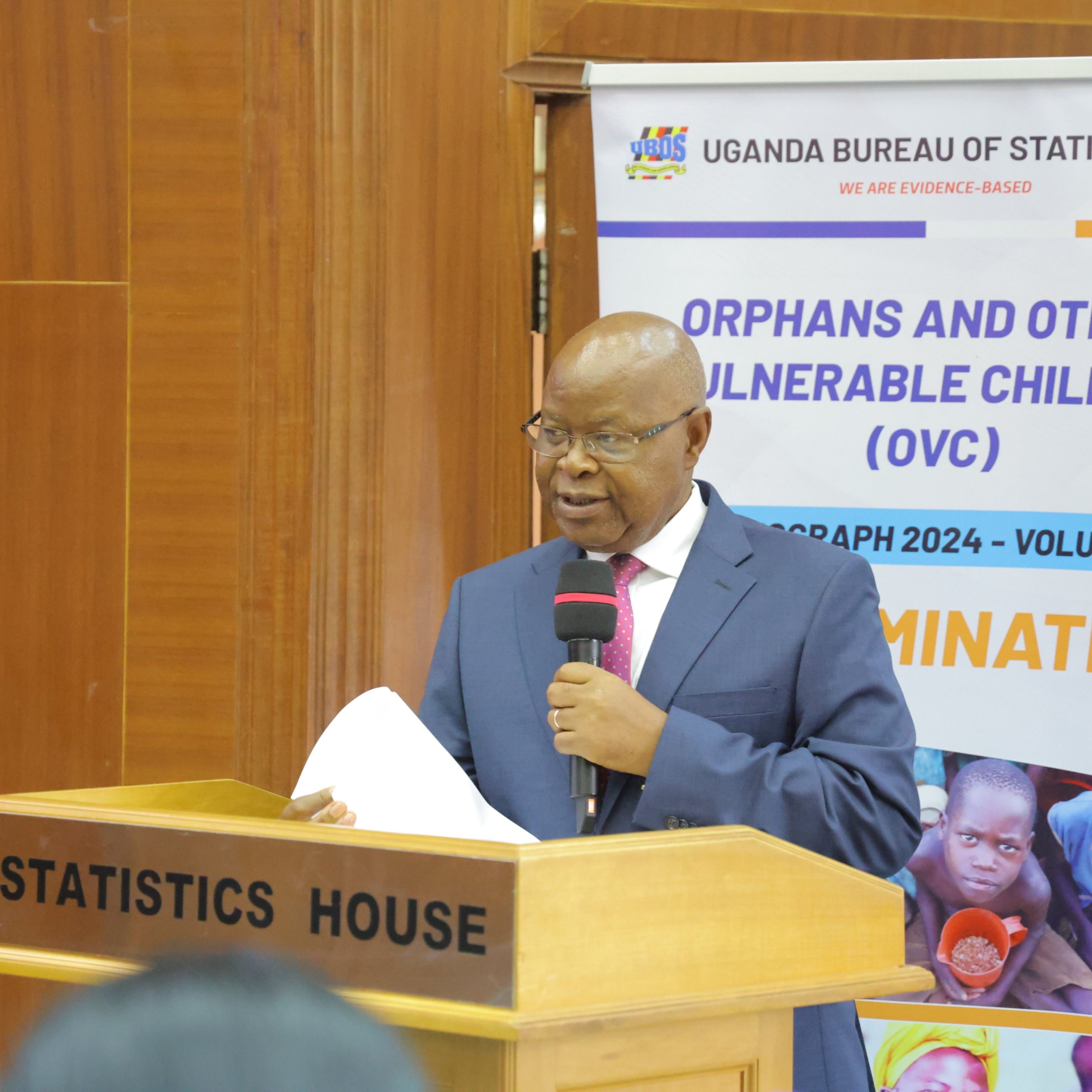
Dr. Chris Mukiza, Executive Director of the Uganda Bureau of Statistics (UBOS), has praised the Government of Uganda for respecting the professional independence of the national statistics office, allowing UBOS to operate without interference. He made the remarks today during the launch of the Orphans and Vulnerable Children (OVC) Monographs at Statistics House in Kampala.
“This is a proud Government of Uganda for not interfering with the statistical processes,” Dr. Mukiza said. “They have abided by the principle of professional independence of a national statistical office. We would wish other countries in the region and globally to borrow a leaf from Uganda.”
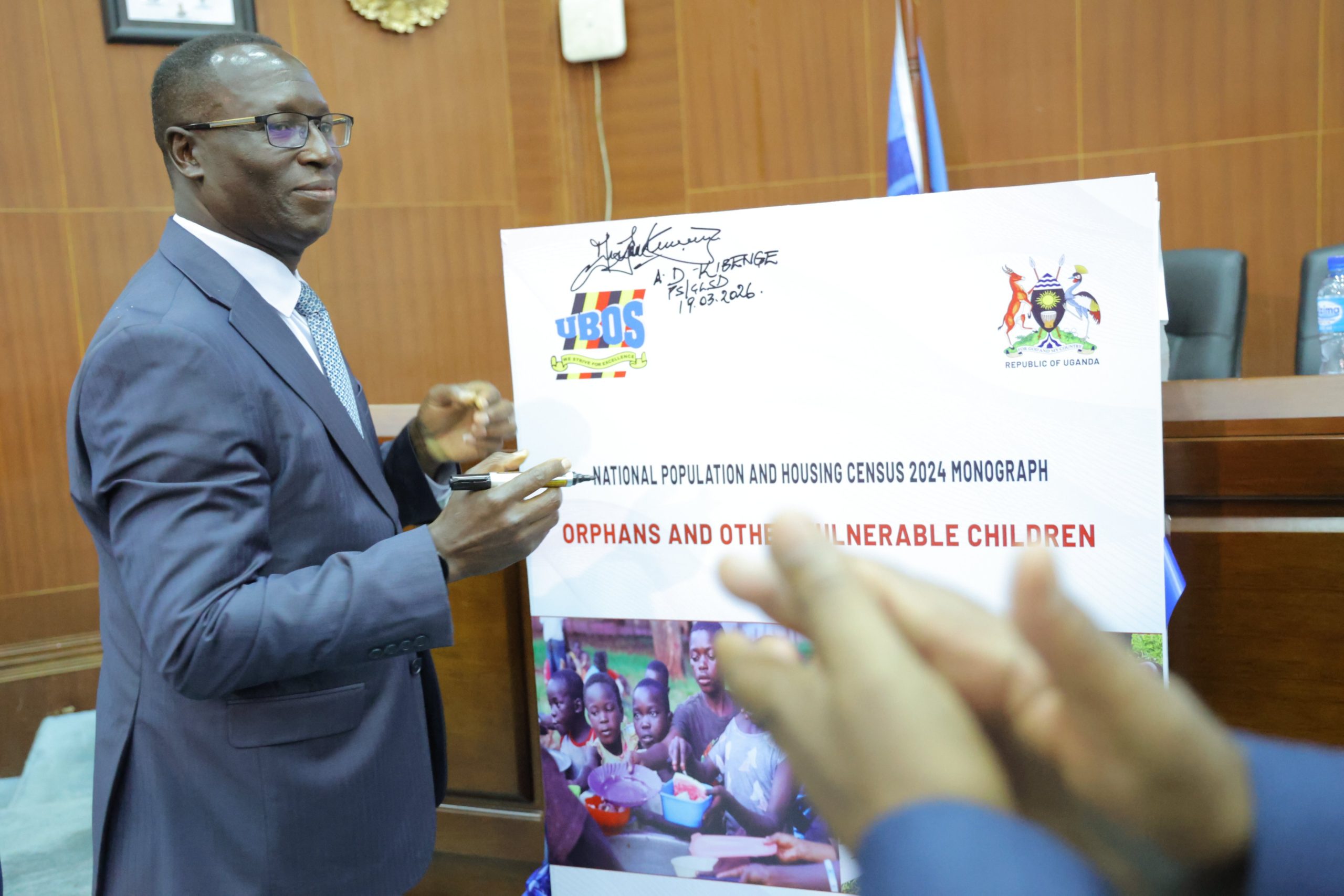
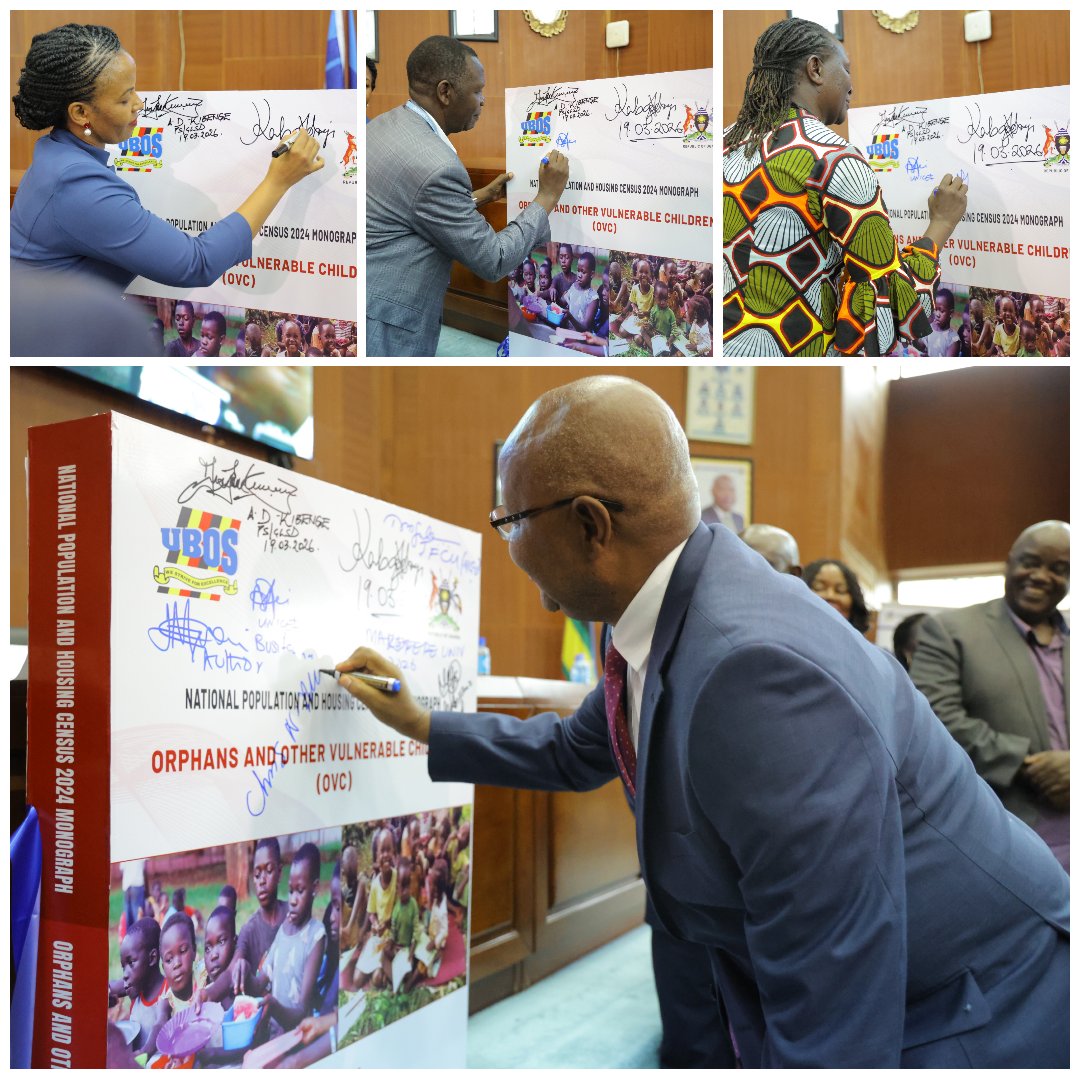
Dr. Mukiza explained that the OVC Monograph is part of a series of specialized publications providing deeper insights from the 2024 Population and Housing Census. “As you will learn, a monograph is a deeper look at what we already published in the main census report, Volume 1. This is not the first monograph we have produced,” he said.
Since the dissemination of the final census report in December 2024, UBOS has published several other reports, including population projections up to 2050, which are available on the UBOS website. Volume 2 of the monographs covered sub-regional profiles, providing data at various levels that proved useful during the last election season. “Many candidates used it to present their platforms, and UBOS was happy that the data produced is shaping the democratic path of the country,” he noted.
Volume 3, the first monograph focusing on disability, was generated in response to user demand. “These monographs are demand-driven and provide a closer look at key variables to enable sectors to plan better and respond to emerging challenges,” Dr. Mukiza said.
The current OVC Monograph, he explained, was produced with financial support from UNICEF. “For obvious reasons, UNICEF is responsible for children’s welfare, and I have been working with them for a long time. Their participation enables Uganda to produce quality statistics that improve the welfare of children in our country and globally. We look forward to deepening our relationship to generate more comprehensive reports in the future,” he said.
Dr. Mukiza also expressed gratitude to the Ministry of Finance and the Government of Uganda, which supported 97% of the 2024 Census. “The massive data generated from the Census is what enables us to produce these monographs. Please join me in applauding the Government of Uganda for their support,” he said.
He emphasized that government support has always been coupled with respect for UBOS’ independence. “It is crucial that the statistical office operates free of interference. This independence allows us to produce high-quality, professional statistics that support evidence-based planning, policy formulation, and decision-making,” he said.
Looking ahead, Dr. Mukiza announced other reports and surveys in the pipeline. Volume 5 of the Multidimensional Poverty Index will be released next week, providing a comprehensive picture of deprivation in Uganda beyond traditional consumption and income measures. UBOS has also started a new survey referred to globally as the Martinique Cluster Survey Mix, which will include modules on women, children, and disability. This survey aims to address questions and gaps left by previous national population censuses.
He encouraged all stakeholders, including the public, academia, and the media, to engage with the data. “The monograph is not exhaustive. When I was reading it, I asked many questions. We can dig deeper, do more data mining, and analyze and publish on other themes. We shall avail the data to universities and researchers, but please acknowledge the source when you use it. If not, we may have a different arrangement,” he cautioned.
Dr. Mukiza reiterated that UBOS remains committed to producing high-quality statistics that are relevant for national planning, policy development, and coordinating the national school system. He encouraged the media to propagate these statistics in a way the general public can understand, emphasizing their role in evidence-based decision-making.
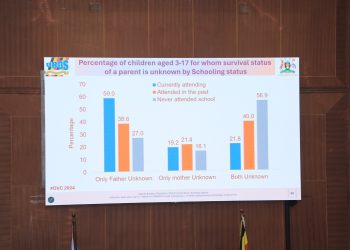
The OVC Monograph itself provides detailed insights into the status of vulnerable children across Uganda, including orphans, street-connected children, children living with HIV, children in institutional care, refugee and displaced children, children-headed households, and children with disabilities.
Dr. Mukiza highlighted that many families face challenges in providing adequate care due to poverty, limited access to resources, and lack of awareness of child rights, which in turn increases risks such as child marriage, teenage pregnancy, and neglect.
“This monograph gives us the granularity of data needed to guide targeting, prioritization, and equitable service delivery within the broader policy framework. It covers four fundamental dimensions of children’s rights: survival, development, protection, and participation. It also allows us to assess performance against national, regional, and international commitments, including the UN Convention on the Rights of the Child, the UN Convention on the Rights of Persons with Disabilities, the African Charter on the Rights and Welfare of the Child, as well as regional frameworks under the East African Community and IGAD,” Dr. Mukiza explained.
He emphasized that these statistics will directly inform the Human Capital Development Program under NDP4, which focuses on improving the well-being and productivity of Uganda’s population, beginning with investments in children. He also underscored that the findings will guide social protection initiatives, including the proposed national child disability grant program targeting families caring for children with disabilities.
Dr. Mukiza also discussed the challenge of street children, particularly from the Karamoja sub-region. While transit centers like Masulita Children’s Village provide temporary care, long-term solutions require reintegration into communities and collaboration with partners. He warned of traffickers who exploit vulnerable children and called for a comprehensive strategy to address these issues.
Finally, Dr. Mukiza stressed that the monograph and other UBOS data will be used to develop a social registry to track vulnerable populations, guide local government planning, prioritize interventions, and monitor outcomes. “We are committed to ensuring this evidence informs national policy processes, including the review of the National Social Protection Policy, the National Child Policy, and their implementation frameworks,” he said.
He concluded by urging all stakeholders to fully embrace and apply these findings to strengthen planning, improve service delivery, and transforms the lives of Uganda’s vulnerable children. (For comments on this story, get back to us on 0705579994 [WhatsApp line], 0779411734 & 041 4674611 or email us at mulengeranews@gmail.com).