






By Ben Musanje
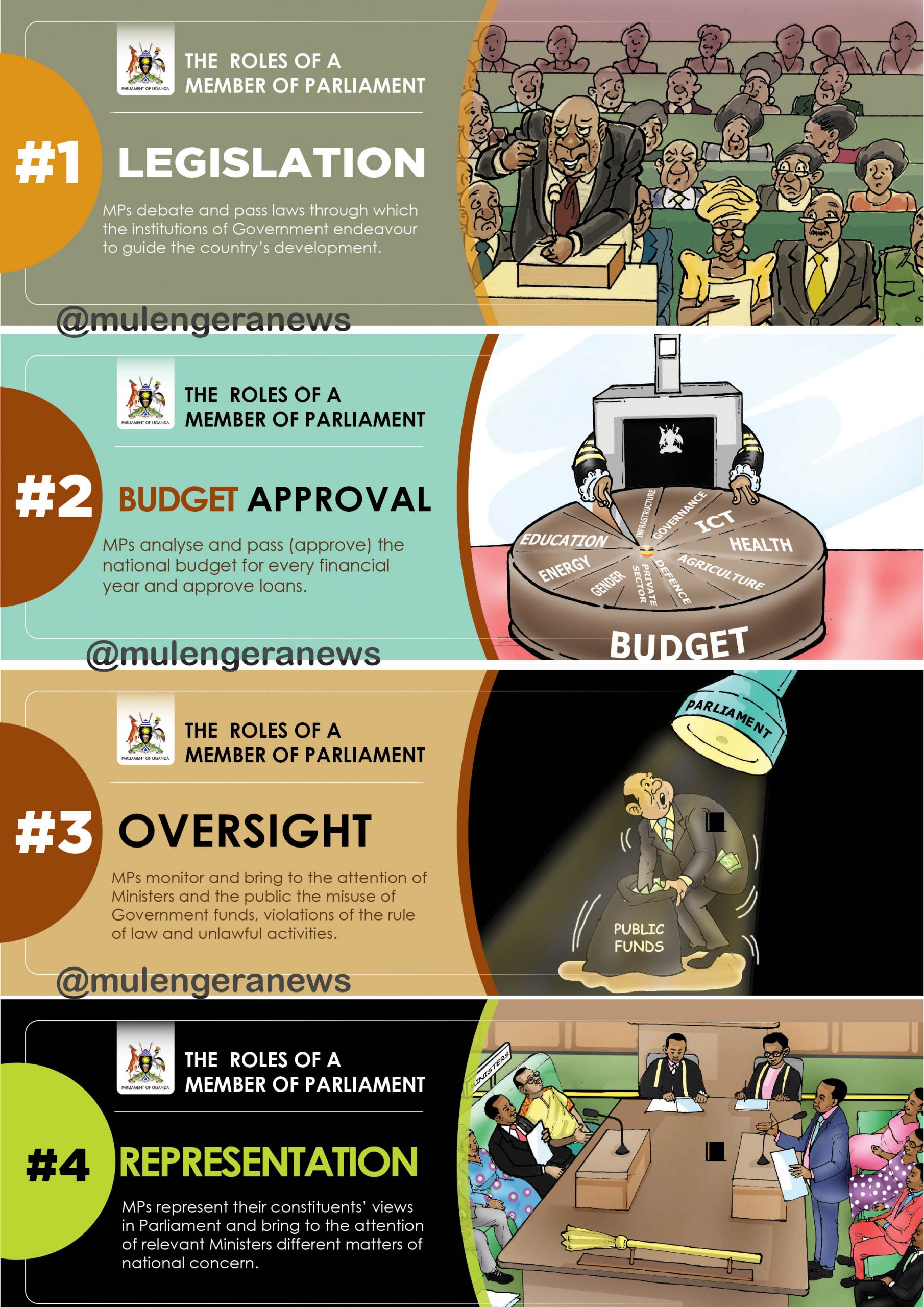
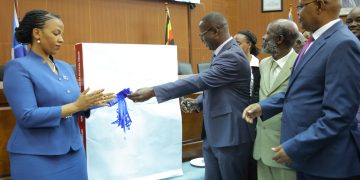
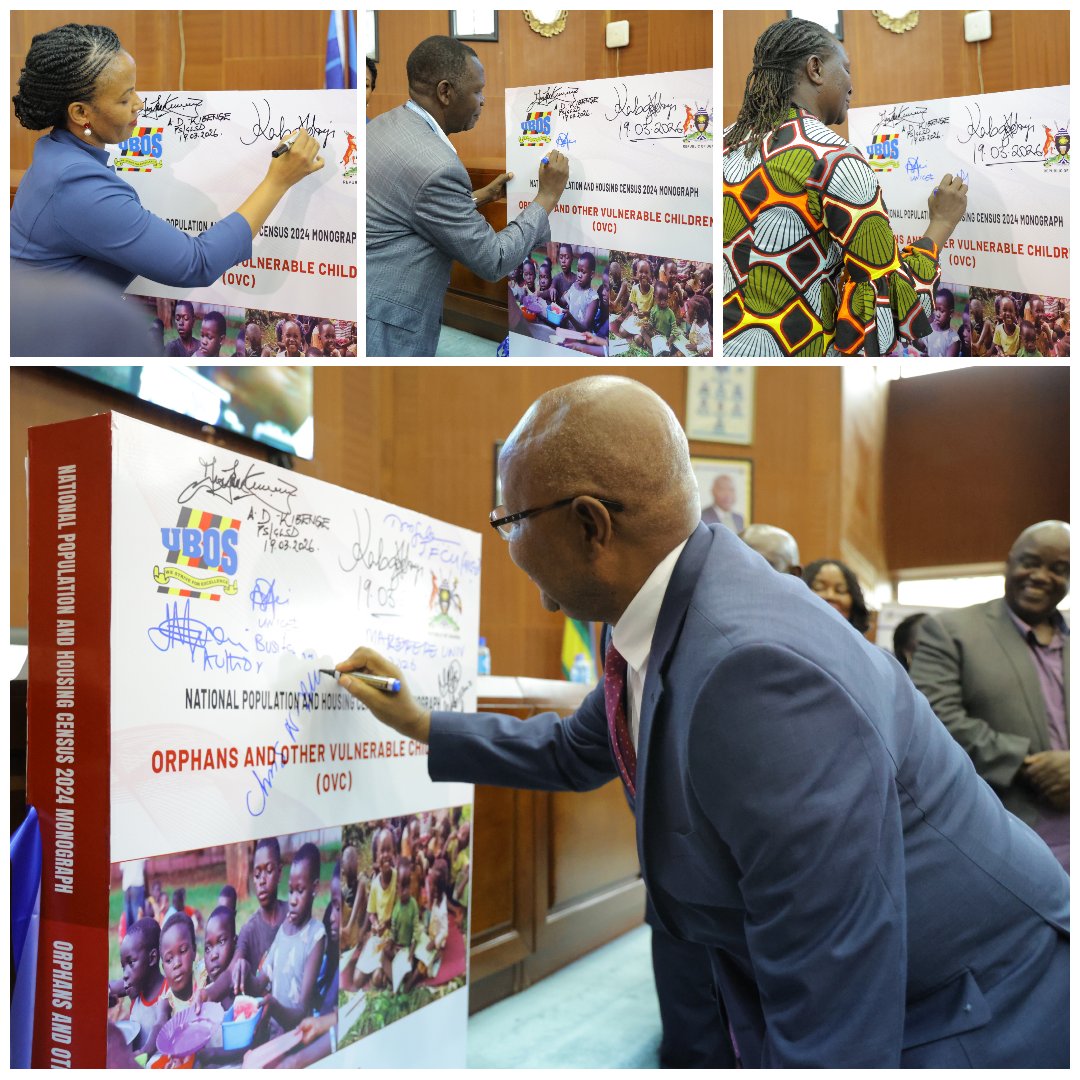
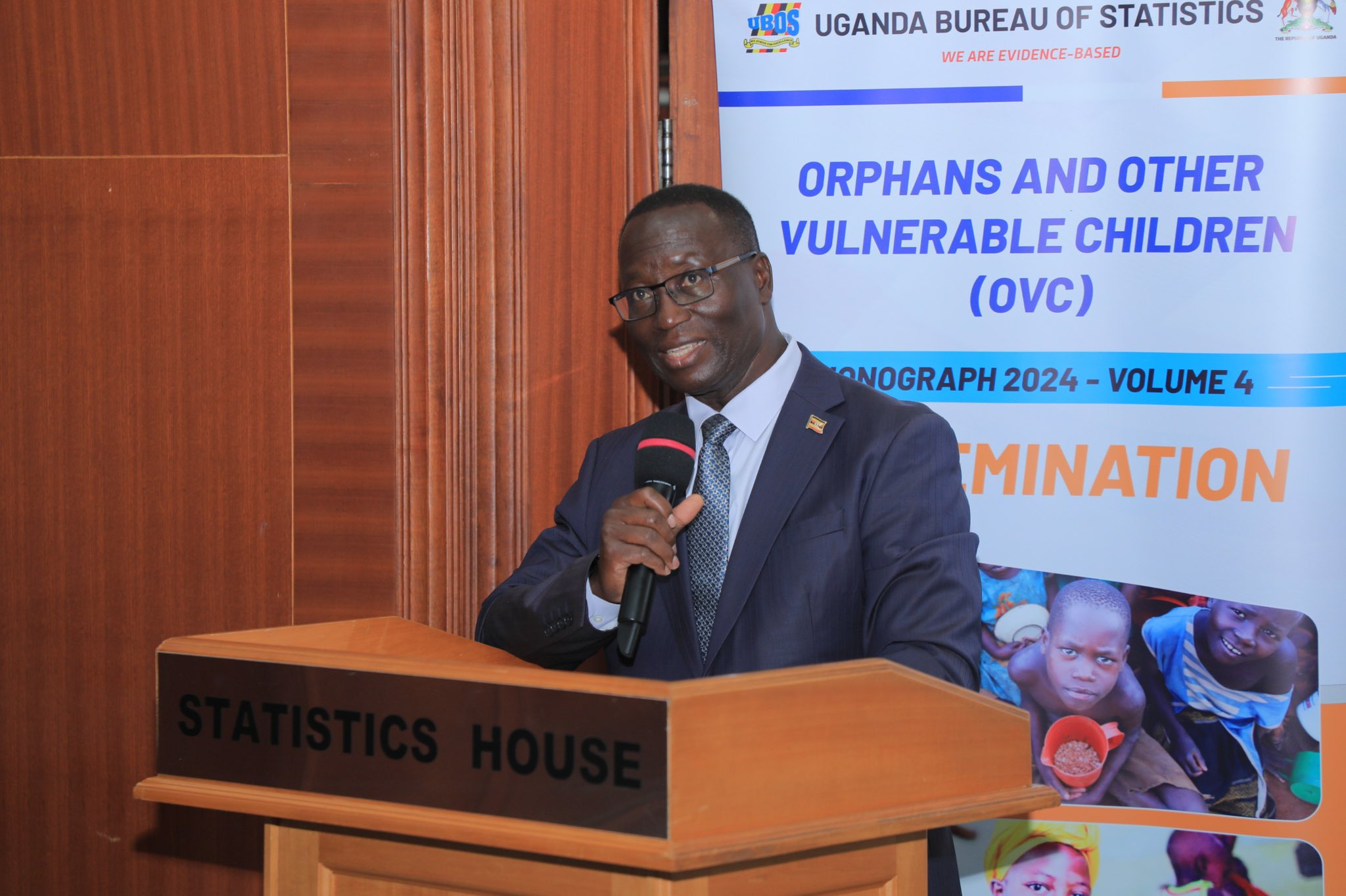
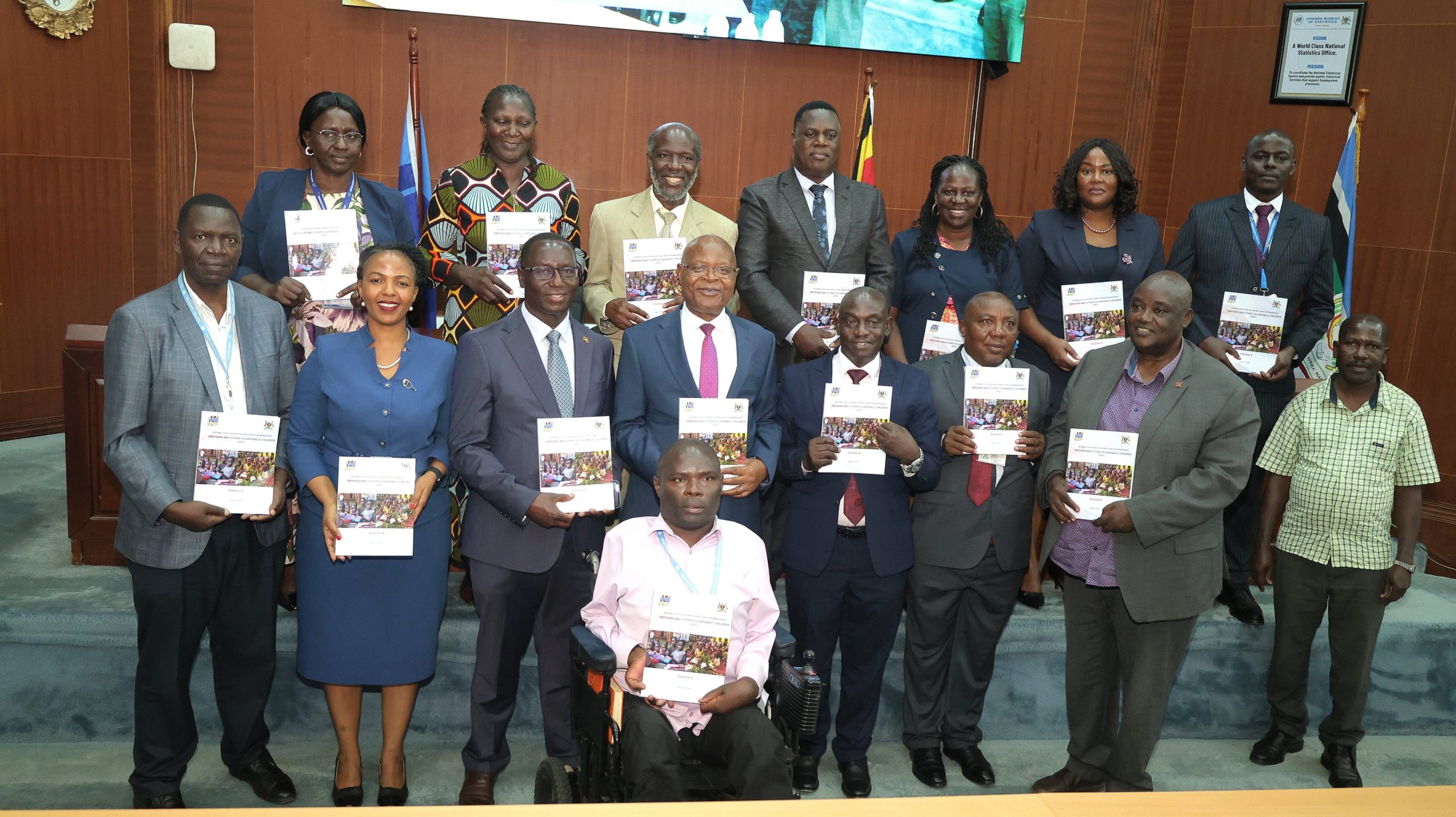
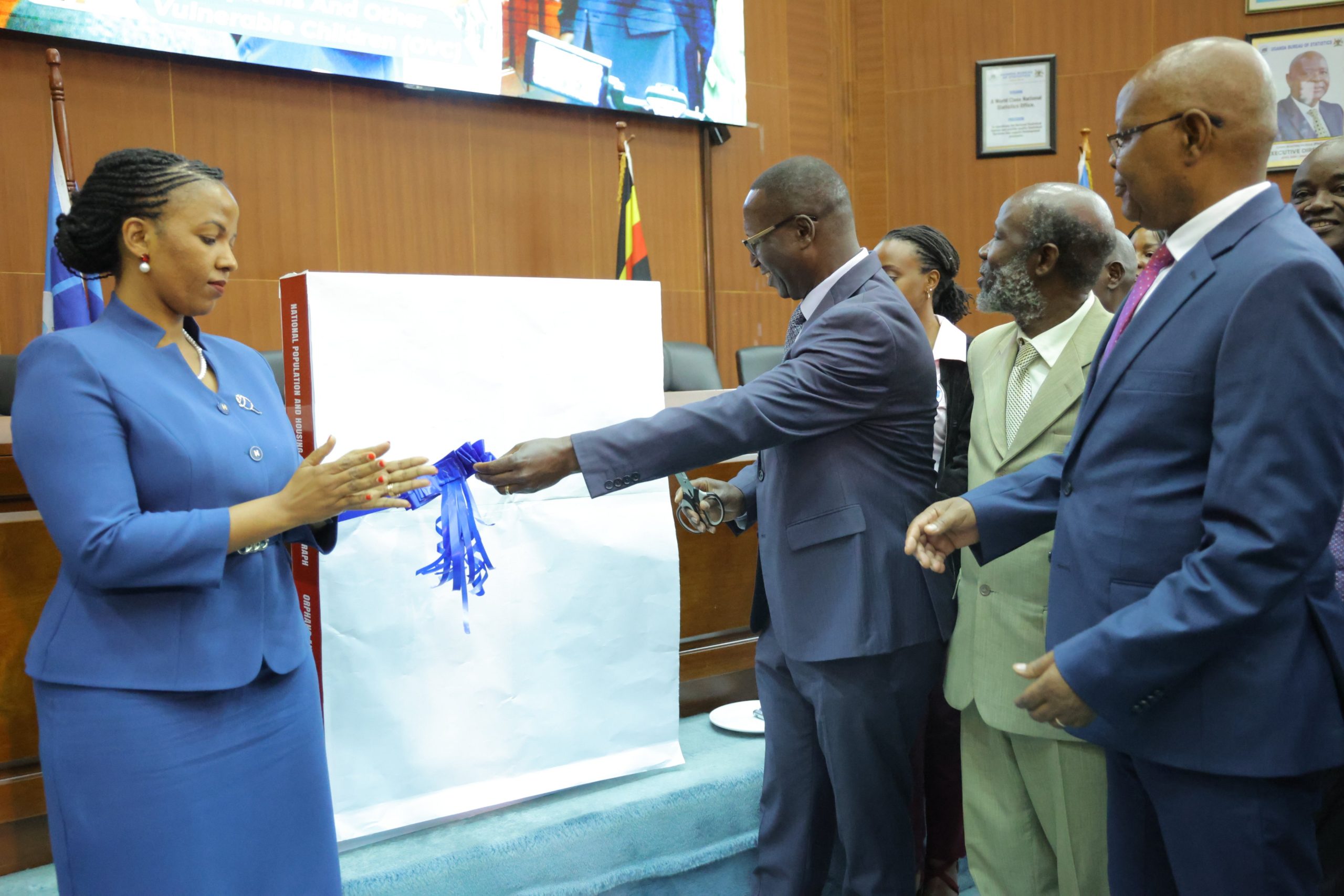
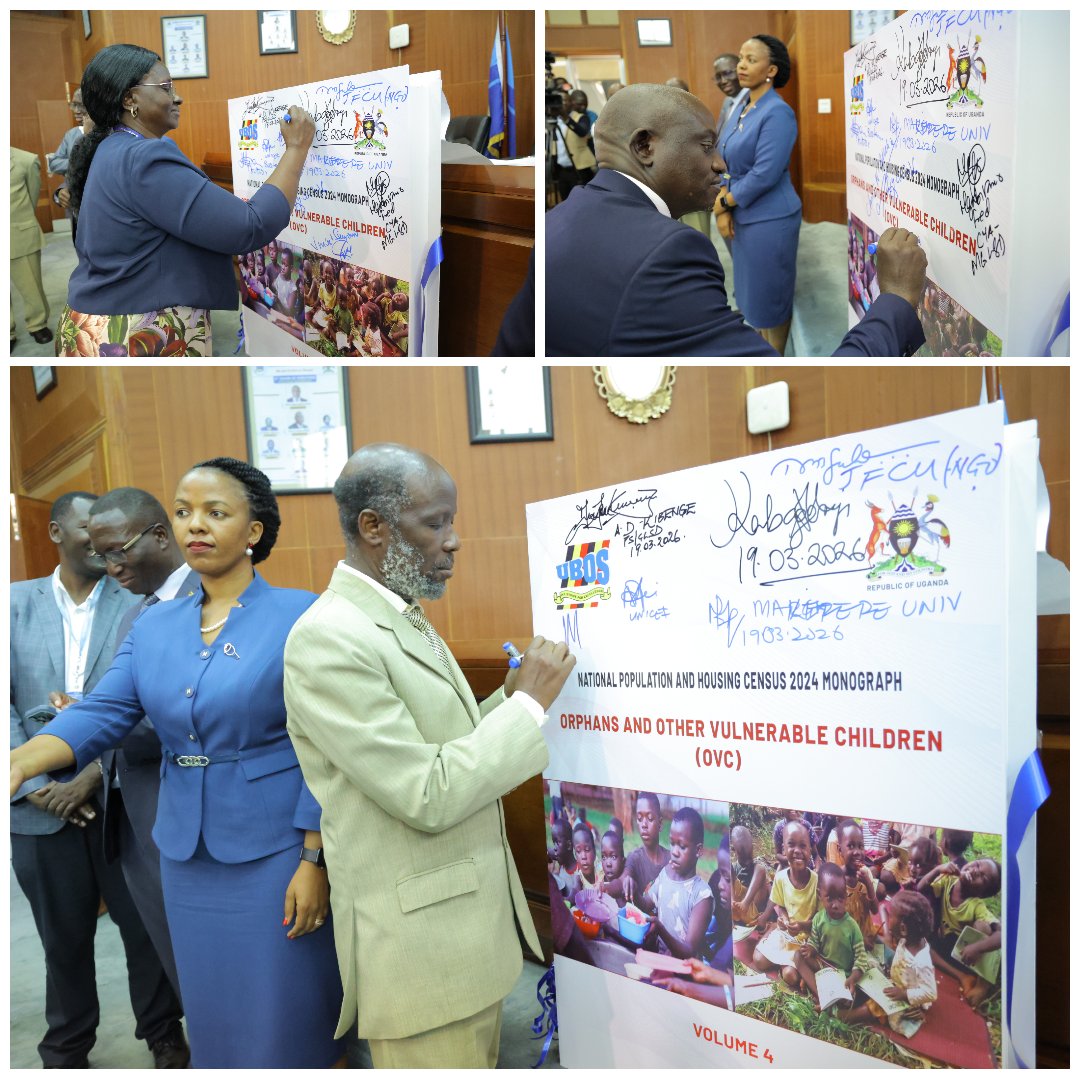
Representing his boss the Gender Minister Betty Amongi, who was absent having travelled for duty abroad, Permanent Secretary Aggrey Kibenge on Thursday presided over the dissemination meeting of the Orphans and Vulnerable Children (OVC) Monograph at Statistics House in Kampala.
Kibenge told the audience that Amongi was out of the country attending the Commission on the Status of Women in New York, US. He also explained that the Minister responsible for Youth and Children Affairs Balaam Barugahara had been called to a special Cabinet meeting that coincided with the event.
Kibenge said that he had taken the responsibility to step in at the last minute, acknowledging the responsibility of filling the ministers’ shoes and warning colleagues to “be careful,” as the government is always on the lookout for people to step into such leadership roles.

“This morning, up to yesterday evening, I wasn’t even very certain that I would be able to join you,” he added. “But when I got the opportunity, I grabbed it, because of the importance of why we have gathered here today.”

This was just the latest survey report UBOS was disseminating because several others had preceded the event including the launch of the Malaria Indicator Survey report also conducted by the Uganda Bureau of Statistics (UBOS).
In his speech, Kibenge, speaking with clarity as always, praised UBOS for producing the fourth volume of the OVC Monographs, based on the 2024 Population and Housing Census. He commended the Bureau’s board, executive director, and technical teams for their leadership, technical excellence, and rigorous approach in producing the report. “This work reflects not only statistical rigor but also a strong national commitment to evidence-informed decision-making,” he said.
The monograph provides detailed insights into the status of vulnerable children across Uganda, highlighting groups facing the most severe challenges. These include street-connected children, orphans, children living with HIV, children in institutional care, refugee and displaced children, children-headed households, and children with disabilities.

Kibenge emphasized that many families struggle to provide adequate care due to poverty, limited access to resources, and insufficient awareness of child rights. These challenges, he said, increase the risks of child marriage, teenage pregnancy, and neglect, underscoring the need for targeted interventions.
“This monograph is exceptionally relevant. It provides the granularity of data required to guide targeting, prioritization, and equitable service delivery within the broader policy context,” Kibenge said. The publication covers four fundamental dimensions of children’s rights: survival, development, protection, and participation.
It also allows Uganda to measure performance against national, regional, and international frameworks, including the UN Convention on the Rights of the Child, the UN Convention on the Rights of Persons with Disabilities, the African Charter on the Rights and Welfare of the Child, and East African Community and IGAD child policy frameworks.
Kibenge explained how the findings will inform the Human Capital Development Program under NDP4, which aims to improve the well-being and productivity of Uganda’s population by starting with investments in children. He highlighted plans for a national child disability grant program, designed to support families caring for children with disabilities. “Beyond this data, many families face challenges raising these children. We are engaging the Ministry of Finance and partners such as UNICEF to put in place special grants for these households,” he said.
The Permanent Secretary also addressed the ongoing challenge of street children, particularly those from the Karamoja sub-region. He noted that temporary transit centers, like Masulita Children’s Village, provide initial care, but long-term solutions require community reintegration and coordinated efforts with partners. He warned about traffickers who exploit children and stressed the need for a comprehensive strategy to address the problem.
Kibenge further explained how the monograph and other UBOS data will be used by the Ministry to develop a social registry to track vulnerable populations and guide evidence-based planning, budgeting, and service delivery at both national and local government levels. He noted that data collection now extends to parish level through the Parish-Based Management Information System (PBMIS), which strengthens the whole-of-government approach to targeting vulnerable populations.
He concluded by urging all stakeholders—ministries, local governments, and partners to fully embrace the findings and use them to improve programs and interventions for Uganda’s most vulnerable children. (For comments on this story, get back to us on 0705579994 [WhatsApp line], 0779411734 & 041 4674611 or email us at mulengeranews@gmail.com).