





By Ben Musanje
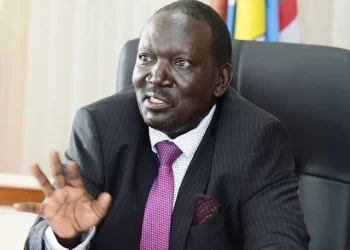
Political temperatures in Uganda have shot through the roof after Hon. Yusuf Nsibambi made a dramatic announcement that up to 80 political prisoners could soon be released.
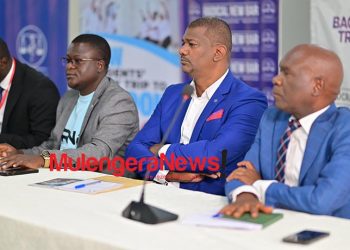
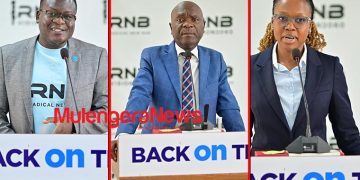
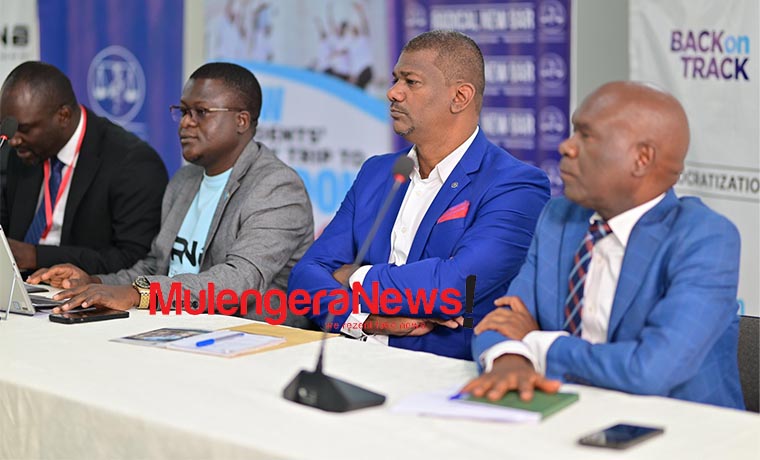
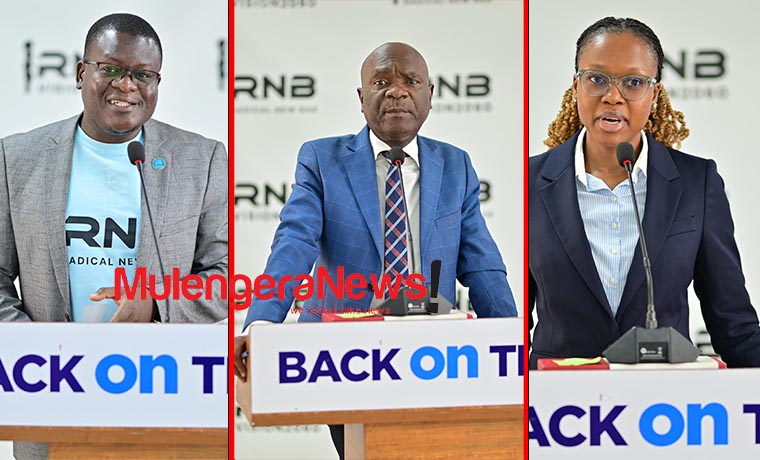
Speaking at the Uganda Law Society weekly press briefing on Thursday, the Mawokota North Member of Parliament revealed that he had met with “the executive” and confirmed that plans are underway to free dozens of detainees many have long called political prisoners. The news has sparked hope, suspicion, and heated debate across the country.
Nsibambi did not stop there. He made a passionate public appeal to Bobi Wine, the President of the National Unity Platform (NUP), urging him to return home. According to Nsibambi, efforts to resolve tensions and secure releases are ongoing, but they need the opposition leader present in the country.

The announcement comes at a time when emotions are still raw following the 2026 General Elections. Nsibambi described the elections as the worst in Uganda’s democratic history, saying they were neither free nor credible. He said the process exposed what he believes is total control of institutions that are meant to be independent.

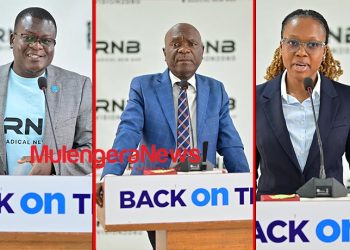
Hon. Anna Adeke, Woman MP for Soroti District, who recently replaced Nsibambi as New Chief Whip, echoed similar concerns, expressing deep disappointment over how the elections were handled.
Meanwhile, Counsel Ssali Babu, Acting Secretary of the Radical New Bar Governing Council, called the elections a serious test for Uganda’s legal and constitutional systems. He stressed the need for strong institutions and credible electoral dispute mechanisms.
But the loudest reaction came from Advocate Eron Kiiza, who fiercely responded to Hon Nsibambi’s statement through social media. He claimed that Bobi Wine’s home has turned into an illegal detention center, guarded by the military’s Special Forces Command. According to Kiiza, access is heavily restricted, and even lawyers face intimidation.

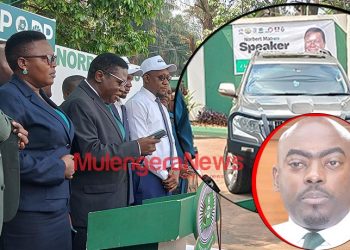
The political firestorm grows even more intense considering Nsibambi’s recent move from the opposition Forum for Democratic Change (FDC) to the ruling National Resistance Movement (NRM). His switch came shortly after he led a group of defeated opposition politicians to meet President Yoweri Museveni at State House Entebbe.
Now the big question hangs in the air: Is negotiating behind closed doors the right way to handle the issue of political prisoners? Or does it risk deepening public mistrust?
With promises of releases, claims of illegal detentions, and sharp accusations flying from all sides, Uganda’s political scene is once again on edge. All eyes are now on whether the promised 80 will truly walk free and what happens next if they do. (For comments on this story, get back to us on 0705579994 [WhatsApp line], 0779411734 & 041 4674611 or email us at mulengeranews@gmail.com).