






By Ben Musanje
A fresh political storm has erupted following explosive remarks by the new National Coordinator of the Alliance for National Transformation (ANT) Kassiano Wadri, who claimed that the late Gen. (Rtd) Moses Ali died a “very unhappy man” because President Yoweri Museveni allegedly failed to honor key political agreements reached during Uganda’s liberation struggle.

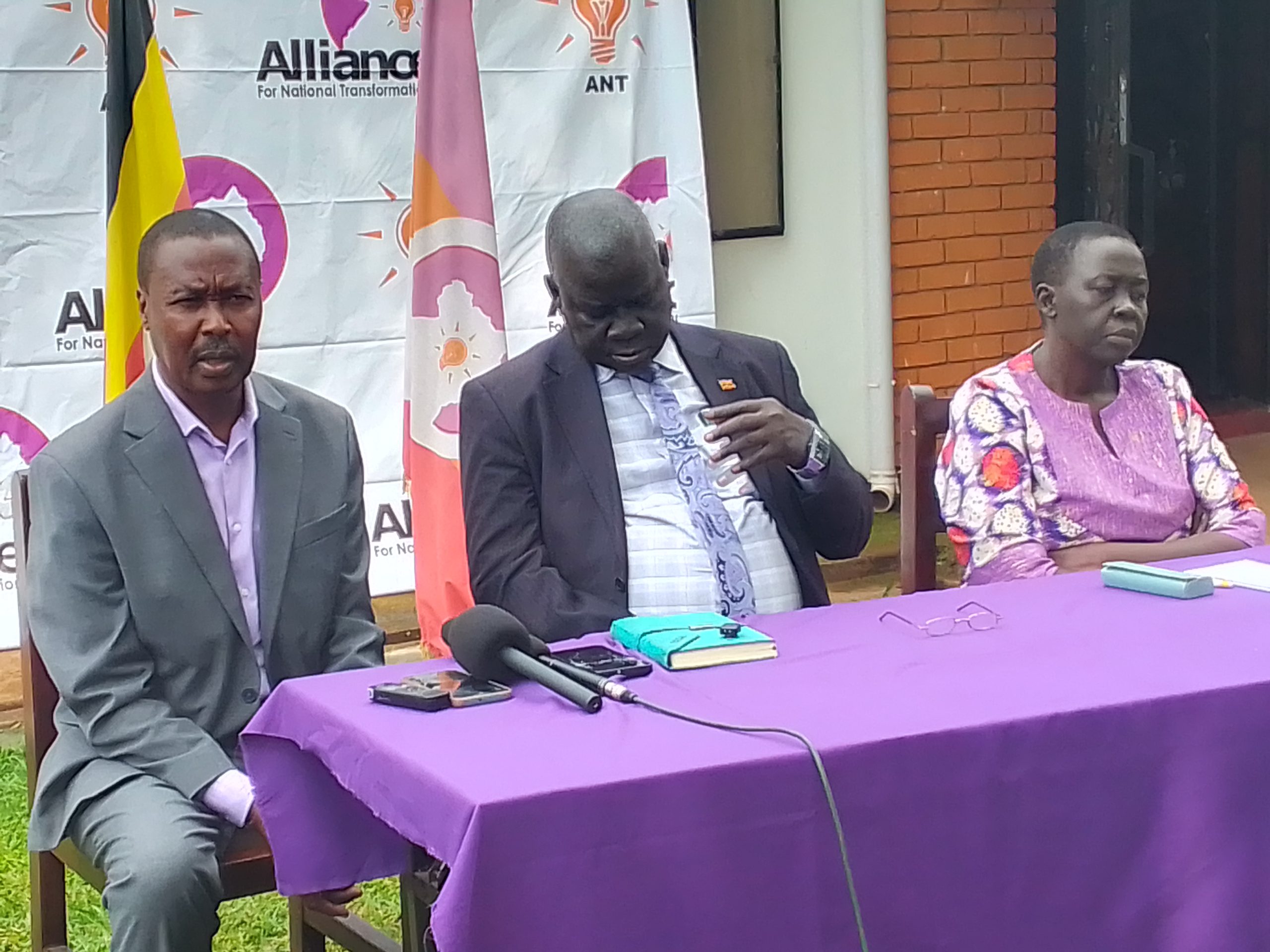
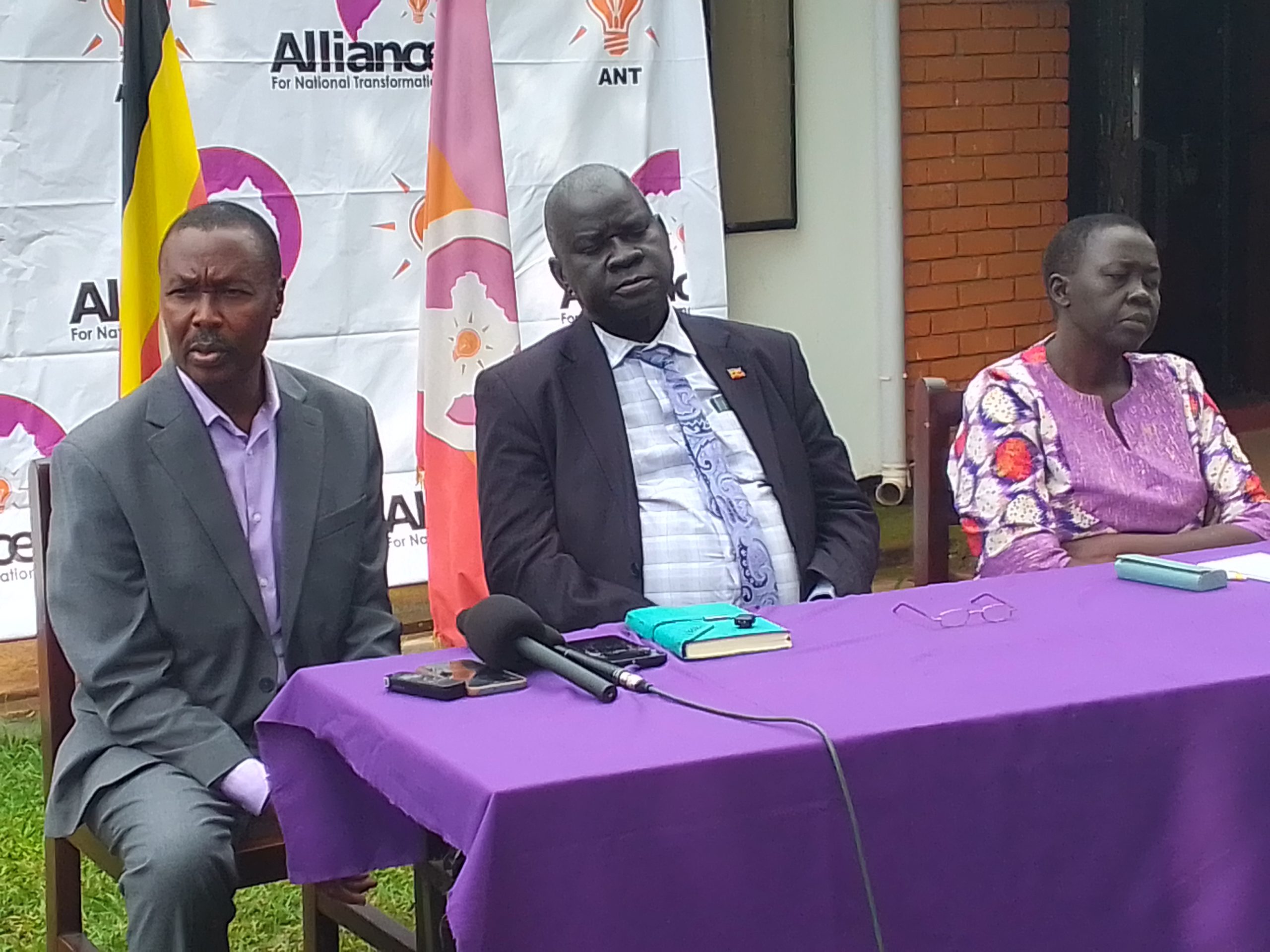
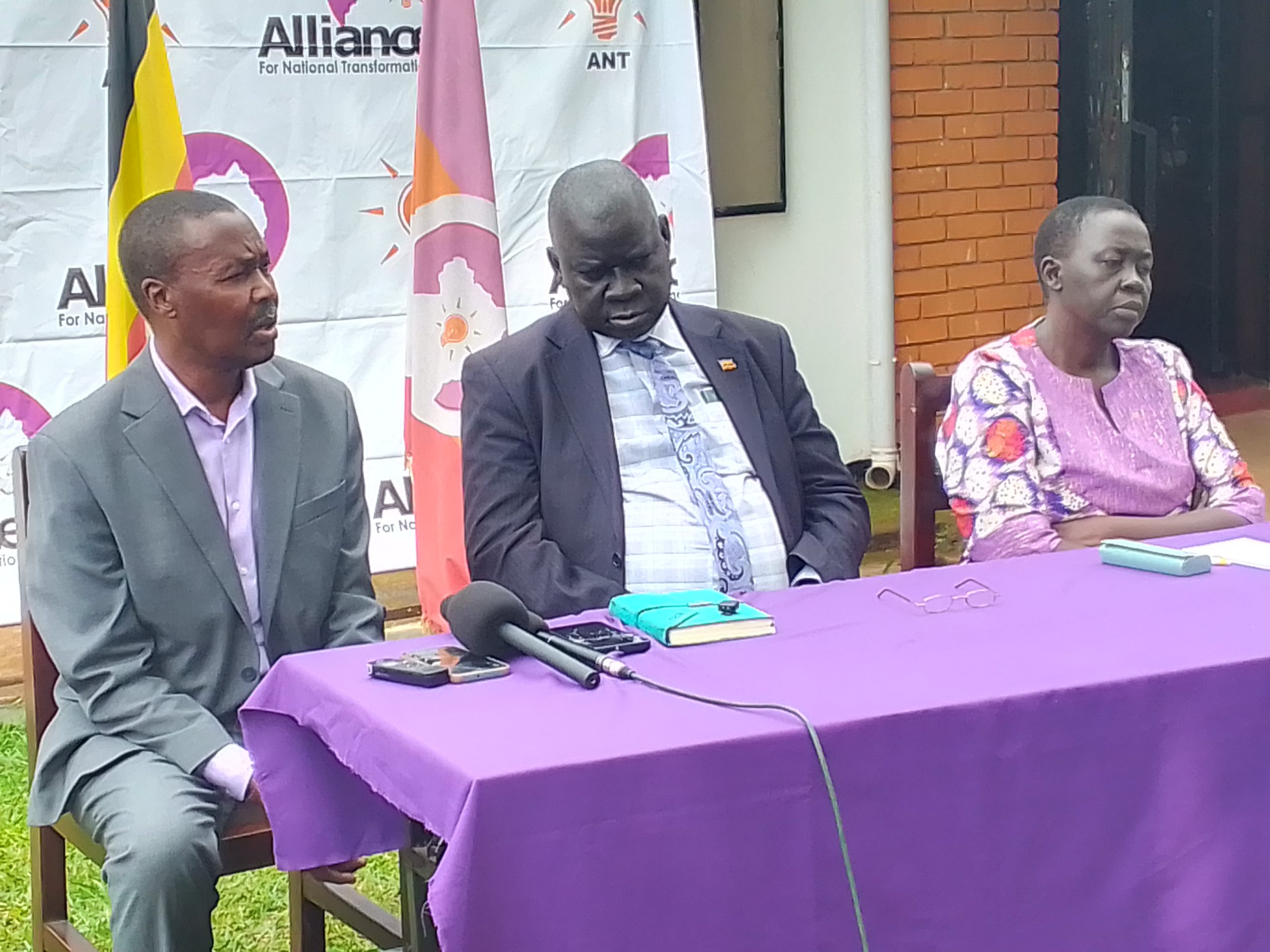
Speaking during the first press conference at ANT’s new headquarters in Lungujja, Rubaga Division on Wednesday, Wadri challenged the narrative that the veteran politician and former First Deputy Prime Minister passed away as a fulfilled statesman. Instead, he argued that Moses Ali carried years of disappointment over what he described as broken promises made by the National Resistance Army (NRA) leadership.

His remarks came only days after President Museveni paid glowing tribute to the late Moses Ali during a special parliamentary sitting held to honor the veteran leader, describing him as a patriot, freedom fighter, peacemaker and a key contributor to Uganda’s stability and the development of the West Nile sub-region.
However, Wadri painted a strikingly different picture of the relationship between the two historical figures.
According to Wadri, Gen. Moses Ali played a much greater role in the NRA liberation struggle than many Ugandans know, claiming that he was instrumental in connecting Museveni to then Libyan leader Muammar Gaddafi, a relationship that allegedly enabled the acquisition of arms used during the liberation war.

“We cannot underplay the role of General Moses Ali in the NRA-UNRF struggle,” Wadri said.
“I can say this without any fear of contradiction. President Museveni had no connection with Libya at all. It was General Moses Ali who personally took President Museveni to Gaddafi to negotiate for arms.”
He further alleged that Moses Ali was also responsible for sourcing weapons from Pakistan, which he said strengthened both the Uganda National Rescue Front (UNRF) and the National Resistance Army during the five-year guerrilla war.
Wadri went on to reveal what he described as a historical political agreement between the NRA and the UNRF before the capture of Kampala.
According to him, the understanding was that whichever force entered Kampala first would assume the presidency, while the other movement would provide the vice president.
He claimed that this agreement was witnessed and documented by several individuals, including former legislator Nsubuga Nsambu, whom Wadri said was present when he raised the issue on the floor of Parliament during the Seventh Parliament while Amama Mbabazi served as Minister for Security and Defence.
“The commitment was very clear,” Wadri said.
“The agreement was that if the NRA entered Kampala first, they would provide the President, while the UNRF would provide the Vice President. This is a matter of record.”
Wadri, however, alleged that the agreement was never implemented after the NRA took power in 1986.
Instead, he claimed, Moses Ali was rewarded with prosecution.
“When General Moses Ali came to Kampala, the reward he got was that he was charged with treason,” Wadri said.
“He stayed in Luzira Prison for two years before he was eventually acquitted by the courts of law.”
According to Wadri, the imprisonment left deep emotional scars on the veteran politician.
“From that time, I do not think General Moses Ali was happy in his heart,” he said.
The ANT official also revisited the long-standing issue of compensation for former UNRF fighters, arguing that successive government commitments had remained largely unfulfilled despite repeated budgetary allocations over the years.
He suggested that the unresolved compensation issue remained a major source of frustration both for Moses Ali and the people of West Nile.
“Every other financial year, the issue of UNRF compensation has been signed, but it has never been fully implemented,” Wadri stated.
He added that the dissatisfaction was one of the reasons why many people in West Nile continued to demand fulfillment of promises made during the liberation struggle.
According to Wadri, even the arrangements surrounding Moses Ali’s burial reflected the historical significance of the region in the liberation struggle.
He said there had been a desire for the late General’s remains to be taken to Yumbe, where the UNRF had established strongholds and where weapons received from foreign allies were allegedly distributed in coordination with the NRA.
“I do not think General Moses Ali, in his sickness and in his death, died a happy man,” Wadri said.
“Many of the things that were agreed between him as the leader of the UNRF and President Museveni as the leader of the NRA were never fully fulfilled.”
He further argued that the disappointment extended beyond Moses Ali personally to the broader West Nile community.
According to Wadri, residents continue to remind President Museveni about promises they say remain outstanding whenever he visits the region.
“They always tell him that you promised us this, but we have never received it,” Wadri noted.
He also referred to campaign pledges allegedly made to communities in West Nile, including promises of livestock, claiming many residents still feel abandoned despite supporting the National Resistance Movement.
“For us, we supported and fought for the liberation of this country. General Moses Ali procured and connected President Museveni to sources of guns, but we have never fully received what was agreed to be due to us,” he said.
Despite his criticism of government, Wadri praised Moses Ali for his contribution to restoring peace and stability in West Nile.
He described the late General as a historic figure whose efforts helped bring tranquility to the region after years of conflict.
“You have done a commendable job. You ensured that peace and tranquility returned to West Nile. We shall dearly miss your contribution, but your spirit will continue to live as we pursue what we believe is due to our people,” Wadri concluded.
The comments contrast sharply with President Museveni’s tribute delivered before Parliament earlier this week.
The President recounted first meeting Moses Ali in Libya in 1981 during discussions convened by then-Libyan leader Muammar Gaddafi, where different Ugandan liberation movements explored possible cooperation.
Museveni said that although the movements did not merge into a single organization, they agreed to coordinate their efforts while maintaining separate structures.
He credited Moses Ali with choosing cooperation over confrontation during the final stages of the liberation struggle, saying the UNRF gradually withdrew rather than engage the advancing NRA forces.
“I agreed with Moses Ali that the UNRF people pulled out slowly. They didn’t fight us when we were entering Kampala. That’s how our cooperation started,” Museveni told Parliament.
The President also praised Moses Ali’s post-war legacy, describing him as a relentless advocate for roads, electricity, compensation for veterans and economic development in West Nile.
He noted that many of the projects championed by the veteran politician had already been realized and would remain part of his lasting legacy.
The differing accounts by Museveni and Wadri have reopened debate over the historical relationship between the NRA and the UNRF, as well as long-standing claims of unfulfilled political agreements and compensation demands dating back to Uganda’s liberation struggle. While Museveni celebrated Moses Ali as a loyal patriot whose contributions shaped modern Uganda, Wadri insisted the veteran leader left behind unresolved grievances that, in his view, prevented him from dying a contented man. (For comments on this story, get back to us on 0705579994 [WhatsApp line], 0779411734 & 041 4674611 or email us at mulengeranews@gmail.com).