





By Ben Musanje
A dramatic political conversation unfolded on the popular radio political talk show ‘The Spectrum’ on Radio One, leaving listeners across the country deeply engaged as the debate about the future leadership of Parliament intensified.
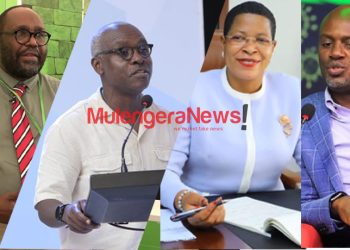
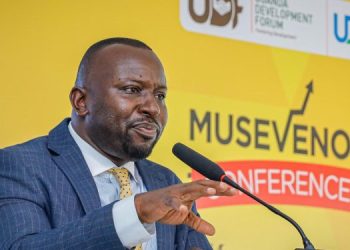
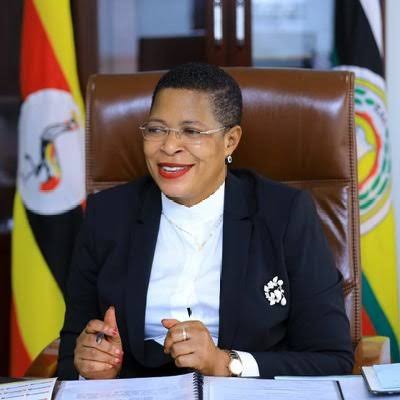
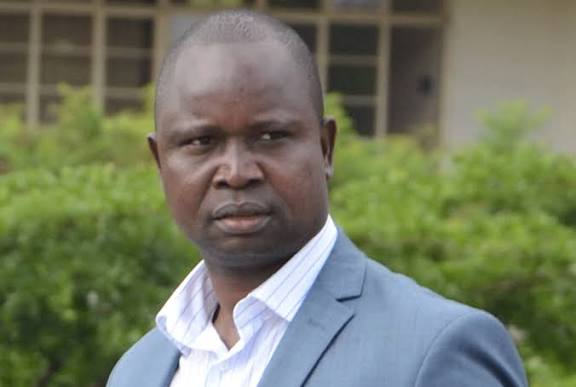
The program, hosted by senior parliamentary reporter Kenneth Lukwago, featured a lengthy and energetic discussion with Chris Obore, the spokesperson of Parliament of Uganda. The discussion focused on the growing political conversation surrounding the race for the position of Speaker and the future of the current Speaker, Anita Annet Among.

During the intense radio exchange, Mr Obore defended the leadership of Anita Among and argued strongly that her record in leading Parliament has been unmatched. According to him, the debate about the Speakership should first be understood through the performance of Parliament itself, because the work done by the institution reflects the leadership of the person presiding over it.

As the discussion unfolded, Mr Obore explained that many people were surprised by the early political noise around the Speakership race. However, he said that expressing interest in such a position is not unusual in politics, especially considering that any elected Member of Parliament qualifies to contest for the position of Speaker.
He emphasized that simply showing interest in the position should not create panic or unnecessary tension in the country. According to him, elections for Speaker have taken place many times before and there is nothing extraordinary about such a contest.
Mr Obore noted that in Uganda’s political system, different political groups are represented in Parliament, including parties such as National Resistance Movement, Democratic Party, and Uganda People’s Congress, along with independent members. Because of this diversity, he said, it is normal for individuals from different backgrounds to show interest in leadership positions.

However, he pointed out that the National Resistance Movement has its own internal structure for choosing candidates for major political positions. Within that system, the party’s top decision-making organ, the NRM Central Executive Committee, plays a crucial role in determining who should carry the party’s flag for important offices such as the Speaker of Parliament.
Mr Obore insisted that speculation about the party’s internal decisions should be avoided. He argued that journalists and political observers should rely on official communication from the party leadership instead of spreading uncertainty.
During the discussion, Mr Obore said that Anita Among herself had not publicly declared that she was running again for the Speakership. According to him, much of the visible support for her has come from Members of Parliament themselves, especially newly elected legislators who have been visiting her office.
He explained that many MPs who recently won elections often visit the Speaker’s office out of respect or to familiarize themselves with the workings of Parliament. During these visits, some of them voluntarily express support for her to continue in the position.
Anita Among’s diehard Obore described these moments as spontaneous reactions from MPs rather than a coordinated campaign. In his view, the excitement and endorsement messages seen on social media simply reflect the opinions of individual lawmakers who appreciate her leadership.
The conversation then shifted to the key question of why Anita Among should continue serving as Speaker. Mr Obore responded by pointing directly to what he called her strong performance in leading Parliament.
According to him, the Parliament she presided over processed legislative work faster and more efficiently than any previous Parliament in Uganda’s history.
He explained that under her leadership, bills that are supposed to be passed within the timeframe provided by parliamentary rules have generally been handled without unnecessary delays.
Mr Obore argued that this level of efficiency demonstrates strong leadership and organizational ability. Bringing together more than five hundred Members of Parliament with different political views and personalities is not easy, he said, and it requires skill to maintain order while ensuring that legislative work continues.
The Parliament spokesperson insisted that critics who accuse the Speaker of using excessive force or controlling debates unfairly misunderstand how parliamentary processes work.
He explained that much of the detailed discussion on laws takes place in parliamentary committees before matters reach the main chamber for final debate and decision.
Because of this process, by the time many issues appear before the full House, the technical discussions and consultations have already taken place. The role of the Speaker, he said, is mainly to guide the final stage of debate and ensure that decisions are made according to the rules.
Mr Obore also pointed out that the National Resistance Movement holds a strong majority in Parliament. Because of this majority, the ruling party can pass legislation without major resistance if its members agree among themselves.
He argued that disagreements within Parliament are normal, but they should not be confused with claims that the Speaker is suppressing debate.
In his view, some critics exaggerate controversies in order to attract media attention rather than contribute meaningful arguments during legislative debates.
The discussion also touched on allegations raised by some political figures about integrity issues surrounding the leadership of Parliament.
Mr Obore strongly rejected those claims and insisted that accusations must always be supported by clear evidence.
He said it is wrong for political rivals to use rumors or unverified documents to damage the reputation of leaders.
According to him, Uganda has institutions responsible for investigating corruption, and if any wrongdoing existed it would have been formally investigated.
He argued that many of the accusations circulating in political debates are simply part of political competition from individuals who want the same position.
Mr Obore suggested that some critics are attempting to weaken Anita Among politically by spreading allegations in the hope that it will affect how the party leadership views her performance.
However, he maintained that the most important evaluation of her work will come from the leadership of the National Resistance Movement and from the President of Uganda, Yoweri Kaguta Museveni, who he said has access to detailed information about the performance of political leaders.
Throughout the radio discussion, Mr Obore repeatedly returned to the issue of performance as the main factor that will determine the future of the Speakership.
He argued that Anita Among has demonstrated strong leadership both in managing parliamentary business and mobilizing support within her political party.
In his view, these achievements place her ahead of competitors who may want to challenge her for the position.
For many listeners following the broadcast, the discussion provided a rare glimpse into the political calculations and debates that often take place behind the scenes in Uganda’s politics.
As the conversation ended, the message from the Parliament spokesperson was unmistakable: the record of the current Speaker speaks for itself.
According to him, when the performance of different Parliaments is compared, the one led by Anita Among stands out for its efficiency and ability to handle government business.
For that reason, he believes that if the ruling party decides to keep her in the position, it will be because of what he described as a clear record of results and leadership. (For comments on this story, get back to us on 0705579994 [WhatsApp line], 0779411734 & 041 4674611 or email us at mulengeranews@gmail.com).