




By Aggrey Baba
As the country enters early stages of the 2026 election season, Ex-first son and Uganda People’s Congress (UPC) President Jimmy Akena is presenting himself as a central figure in the call for opposition unity.
During his recent mobilisation tour in the Teso sub-region, Akena underscored the need for all opposition players to come together and build a single, coordinated front if they hope to successfully challenge President Yoweri Museveni’s prolonged leadership.
Akena, who is also the MP for Lira City East, is urging opposition parties and political actors to learn from previous failures, placing particular emphasis on addressing the internal divisions and mistrust that have historically derailed efforts to unseat the NRM.
According to his current messaging, any serious attempt to bring political change to Uganda must be grounded in unity, structured collaboration, and early preparation, rather than fragmented campaigns driven by personal ambition.
His renewed push for a united opposition comes against a backdrop of repeated, unsuccessful attempts to form coalitions in past election cycles.
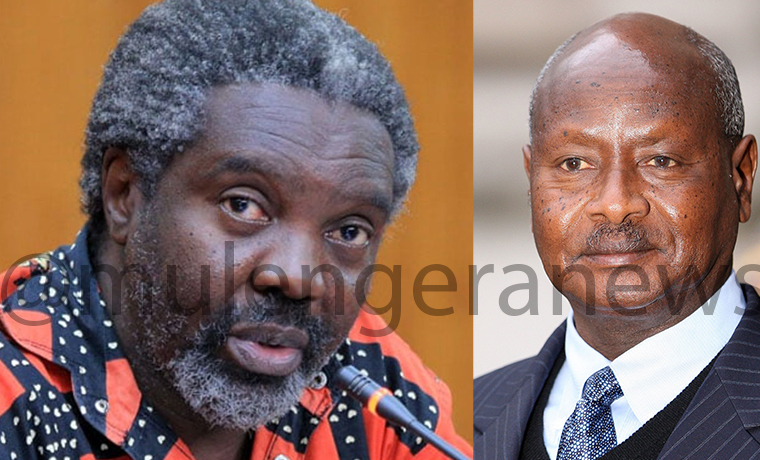
In 2015, several opposition leaders under The Democratic Alliance (TDA) sought to agree on a single joint presidential candidate. However, that effort fell apart due to sharp disagreements over leadership and strategy, especially Dr. Kizza Besigye and former Prime Minister Amama Mbabazi, a coalition whose breakdown left opposition parties scattered in the 2016 elections, each contesting separately and weakening their collective impact.

Similar patterns emerged ahead of the 2021 general elections. Although a new wave of political energy had entered the opposition through Robert Kyagulanyi (Bobi Wine) and his National Unity Platform (NUP), coordination between the major opposition camps remained elusive.
Multiple presidential candidates emerged, each running parallel campaigns with no common structure or electoral strategy, the disunity, Akena argues, gave Museveni and the ruling party an advantage that could have been avoided.
Akena’s current strategy is to encourage early engagement and honest dialogue among opposition stakeholders to avoid another fragmented race in 2026, believing that joint mobilisation, harmonised messaging, and cooperation at the grassroots can help counter the NRM’s longstanding dominance.
While UPC’s influence has declined over the years, Akena is attempting to reposition the party as a steady, principled platform that can offer both historical grounding and forward-looking leadership.
His appeal to unity, however, is not just about bringing smaller parties together. He is calling for an all-encompassing effort that includes civil society, youth movements, and grassroots structures across the country.
Still, Akena faces challenges of perception. In previous years, he has been accused by some in the opposition of being too close to the ruling party, particularly after UPC entered a cooperation agreement with NRM in Parliament.
However, his recent rhetoric marks a notable shift, as he increasingly distances himself from government policies and aligns more closely with public frustrations over corruption, inequality, and lack of accountability.
Supporters within UPC and sections of the population in Teso and Lango now see Akena as a possible stabilising force within the broader opposition space, one who is more focused on building systems than on personal drama. Some believe he offers a more measured and strategic approach to defeating Museveni than the confrontational styles of other leaders.