








By Eng. Jonard Asiimwe (princeasiimwe12@gmail.com)
In the grand theatre of history, nations are not remembered for the eloquence of their lamentations, but for the audacity of their innovations. Civilizations rise not merely upon the abundance of natural resources beneath their soil, but upon the depth of scientific imagination cultivated within their people. The most prosperous nations on earth did not accidentally stumble into greatness; they engineered it deliberately through research, industrialization, technological advancement, strategic patriotism, and unapologetic investment in innovation ecosystems. It is within this intellectual and developmental context that Kiira Motors Corporation emerges not merely as an automobile company, but as one of the most consequential symbols of Uganda’s scientific awakening and industrial renaissance in the twenty-first century.
For decades, Africa has tragically occupied the humiliating periphery of global production while remaining the epicenter of consumption. The continent has imported nearly everything-from toothpicks to turbines, from software to automobiles, while exporting raw materials and unemployed youth. Uganda, like many post-colonial states, inherited an economic structure fundamentally designed for extraction rather than innovation. Colonial economies were never constructed to manufacture African prosperity; they were engineered to sustain imperial dependency. Consequently, many African countries became marketplaces rather than manufacturers, consumers rather than creators, spectators rather than inventors in the global scientific arena.
Against this historical injustice, Kiira Motors Corporation stands as a radical intellectual rebellion against the colonial architecture of dependency. It represents an ideological and economic shift from passive consumption to active production; from technological dependence to scientific sovereignty; from importing mobility to engineering, it domestically. It is not merely assembling vehicles; it is assembling a national vision, reconstructing Uganda’s industrial identity, and redefining what it means to be African in a technologically competitive world.

Founded from research undertaken by students and professors at Makerere University, Kiira Motors is perhaps one of the most intellectually symbolic projects Uganda has produced since independence. The company traces its genesis to the Kiira EV Project initiated around 2011 by Ugandan students who developed East Africa’s first electric vehicle prototype. That achievement was not merely mechanical ingenuity; it was a philosophical statement that Ugandans possess the intellectual capacity to innovate at globally competitive levels if given opportunity, institutional support, and strategic investment.

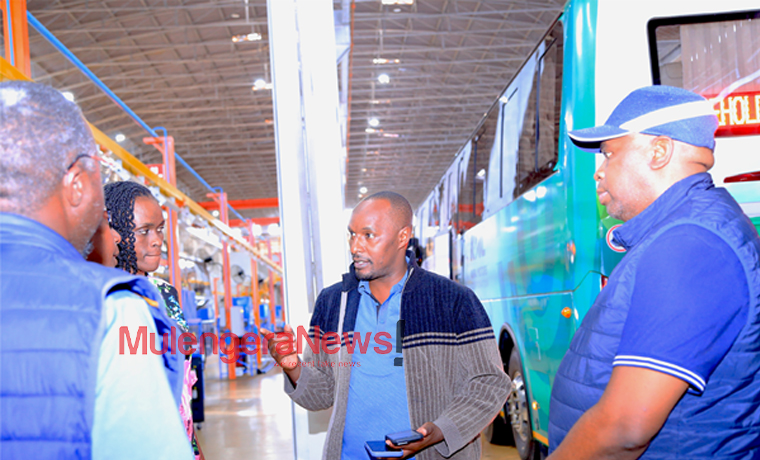
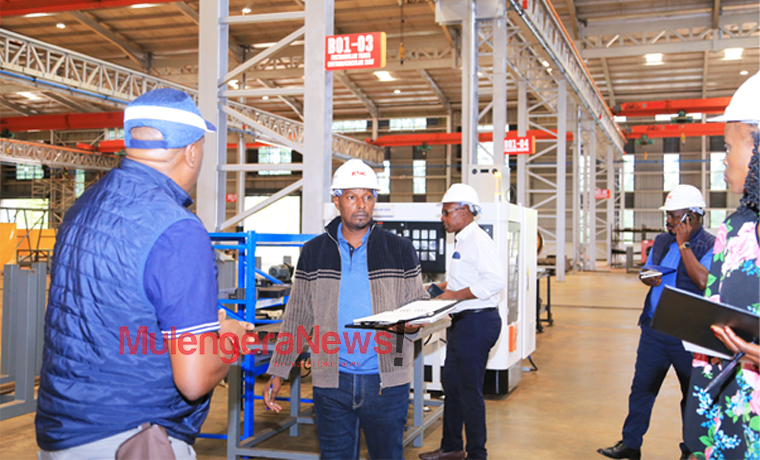
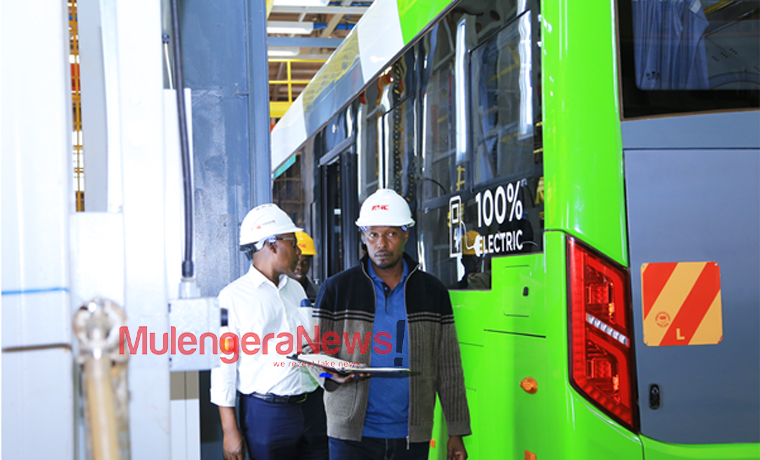
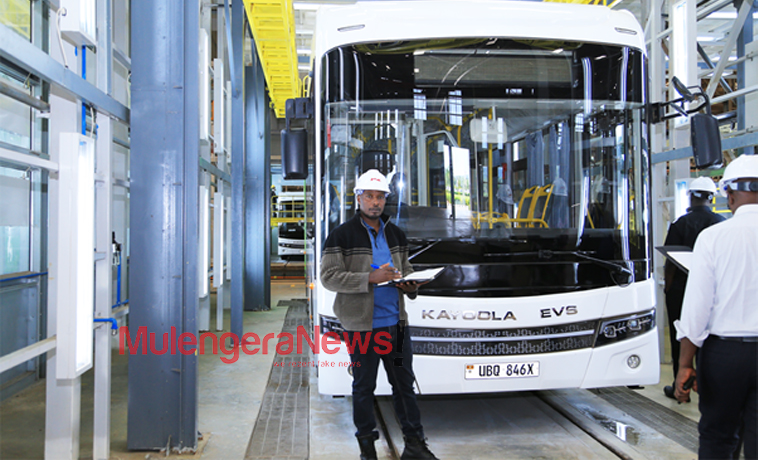
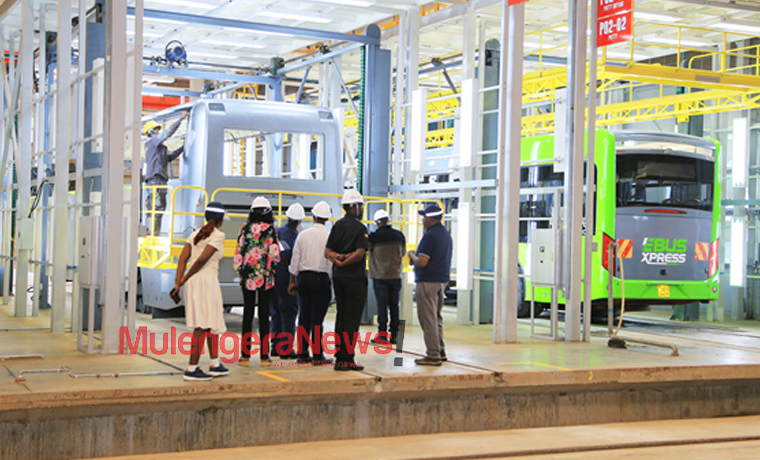
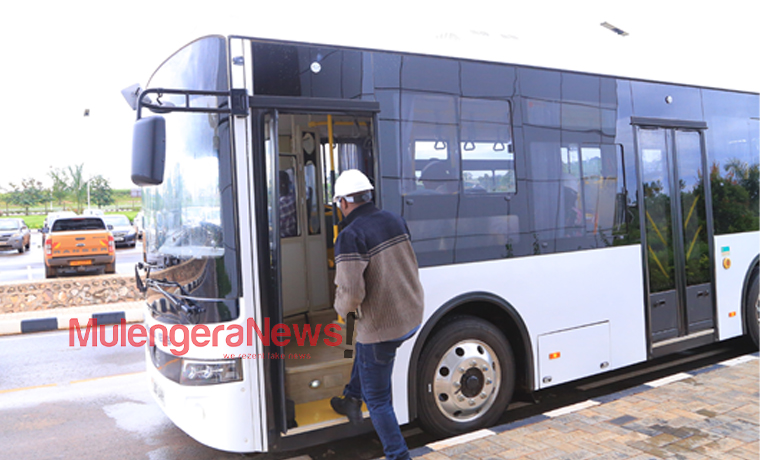
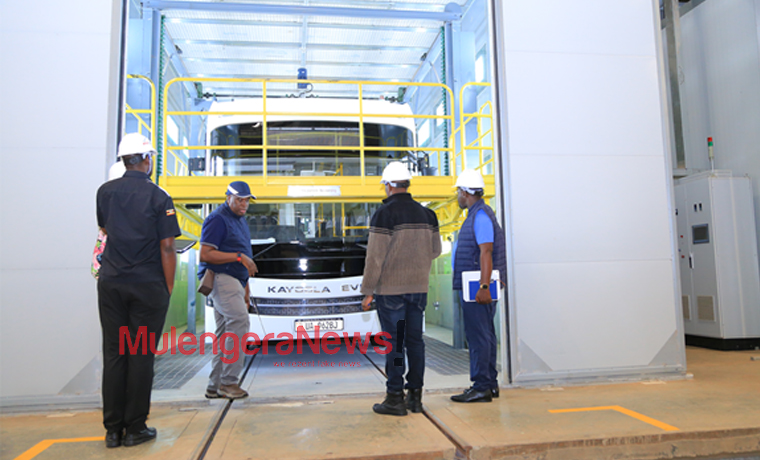
Today, Kiira Motors Corporation operates as Uganda’s state-backed automotive company with ambitions aligned toward sustainable mobility, green industrialization, and indigenous technological development. The establishment of the Kiira Vehicle Plant in Jinja marked a monumental step toward industrial transformation. Reports indicate that the facility possesses the capacity to produce thousands of vehicles annually, including buses, electric vehicles, and other mobility solutions. This is profoundly significant for a country whose import bill on vehicles and related machinery has historically drained substantial foreign exchange reserves annually.
According to data from the Uganda Bureau of Statistics and various economic reports, Uganda imports thousands of motor vehicles every year, many of them second-hand automobiles with declining efficiency, increasing emissions, and limited technological sustainability. This dependency has imposed enormous economic burdens through capital flight, unemployment, environmental degradation, and technological stagnation. In contrast, domestic automotive manufacturing possesses multiplier effects capable of transforming entire economies through backward and forward industrial linkages. The automotive industry stimulates metallurgy, plastics, electronics, software engineering, artificial intelligence systems, battery technologies, logistics, vocational training, and scientific research ecosystems.
Globally, countries that achieved industrial prosperity often utilized automotive manufacturing as a catalyst for broader economic transformation. Japan rose through companies such as Toyota and Honda. Germany consolidated industrial superiority through Volkswagen, BMW, and Mercedes-Benz. South Korea transformed itself through Hyundai and Kia. China aggressively invested in electric vehicle innovation and is now among the global leaders in green mobility technology. Therefore, Uganda’s pursuit of automotive manufacturing through Kiira Motors is neither irrational nor utopian. It is historically consistent with developmental trajectories adopted by successful industrial economies.

The legal and policy foundations supporting Kiira Motors are equally noteworthy. Uganda’s Vision 2040 explicitly prioritizes industrialization, science, technology, and innovation as pillars for socio-economic transformation. The National Development Plan III equally identifies industrialization and value addition as central to Uganda’s development strategy. Furthermore, the Science, Technology and Innovation Policy emphasizes research commercialization and technological advancement as indispensable drivers of economic competitiveness.
At the constitutional level, the 1995 Constitution of the Republic of Uganda under National Objectives and Directive Principles of State Policy obligates the State to promote industrial development, scientific research, and technological advancement. Objective XXV emphasizes the need for balanced and equitable development, while Objective XI underscores the role of the State in stimulating agricultural, industrial, technological, and scientific progress. Article 40 further guarantees every person the right to practice his or her profession and carry on lawful economic activities, a provision that indirectly supports innovation ecosystems and industrial entrepreneurship.
Regionally, the East African Community Industrialization Policy and the African Continental Free Trade Area (AfCFTA) create enormous opportunities for Kiira Motors to penetrate broader African markets. AfCFTA, operationalized under the Agreement Establishing the African Continental Free Trade Area, seeks to create a single continental market for goods and services across over 1.3 billion people with a combined GDP exceeding USD 3 trillion. If strategically managed, Kiira Motors could become one of East Africa’s most influential industrial exports within this emerging continental economic architecture.
Globally, Uganda’s pursuit of green mobility through Kiira Motors aligns with the Paris Agreement on climate change, the United Nations Sustainable Development Goals, particularly SDG 9 on industry, innovation, and infrastructure, and SDG 13 on climate action. The world is rapidly transitioning toward electric mobility due to increasing environmental concerns, carbon emission reduction commitments, and fossil fuel sustainability challenges. The International Energy Agency estimates that electric vehicle adoption is accelerating exponentially worldwide. Uganda therefore risks catastrophic technological irrelevance if it remains trapped within outdated industrial paradigms while the rest of the world transitions into green economies.
Yet intellectual honesty demands that patriotism must never suffocate critical analysis. To praise Kiira Motors without scrutinizing its challenges would be intellectually dishonest and academically irresponsible. Serious concerns persist regarding financing sustainability, production scalability, market competitiveness, procurement transparency, and commercialization efficiency. Critics have questioned the pace of production relative to public investment injected into the corporation. Others have raised concerns about whether political symbolism may at times overshadow commercial pragmatism.
These concerns deserve rigorous engagement rather than emotional dismissal. Public investment in strategic industries must always be accompanied by accountability, measurable outcomes, transparency, and performance evaluation. Uganda cannot afford the luxury of romanticizing state corporations that consume public resources without achieving sustainable industrial impact. Therefore, Kiira Motors must continuously justify public confidence through demonstrable productivity, technological competitiveness, market expansion, and economic returns.
However, criticism must equally be contextualized within the realities of industrial development. No major automotive giant emerged overnight. Tesla incurred years of financial instability before profitability. Hyundai initially faced global skepticism regarding quality standards. China’s electric vehicle industry benefited from massive state subsidies before attaining competitiveness. Industrial transformation requires patience, strategic consistency, policy coherence, infrastructure investment, and national resilience. Nations do not industrialize through cynicism; they industrialize through calculated perseverance.
One of the greatest strengths of Kiira Motors lies in its symbolic power over the psychology of Uganda’s youth. For decades, African children grew up believing innovation belonged elsewhere in Europe, America, or Asia. African education systems often produced graduates psychologically conditioned to seek employment rather than create industries. Kiira Motors disrupts this inferiority complex fundamentally. It communicates a revolutionary message to young Ugandans: that African minds are not biologically inferior in science, engineering, or innovation. This psychological liberation is perhaps as important as the vehicles themselves.
Uganda possesses one of the youngest populations globally, with over 75 percent of its population below the age of thirty. This demographic reality can either become a demographic dividend or a demographic catastrophe. Without industrialization and technological advancement, unemployment risks becoming a national security threat. According to various labour reports, thousands of Ugandan graduates enter the labour market annually amidst limited formal employment opportunities. Strategic industries such as automotive manufacturing can absorb engineers, technicians, software developers, researchers, industrial designers, welders, electricians, logisticians, and numerous ancillary professions.
Furthermore, Kiira Motors possesses the potential to catalyse research commercialization within universities. One of Africa’s enduring tragedies has been the disconnect between academia and industry. Universities often produce dissertations that gather dust rather than innovations that transform economies. Kiira Motors demonstrates the transformative potential of linking higher education institutions to industrial production. This university-industry collaboration model should be replicated across sectors including pharmaceuticals, agro-processing, renewable energy, artificial intelligence, biotechnology, and aerospace engineering.
The geopolitics of industrialization equally cannot be ignored. Nations that fail to develop technological sovereignty often remain vulnerable within global power relations. Economic dependency frequently translates into political vulnerability. Uganda’s pursuit of indigenous manufacturing therefore transcends economics; it becomes an assertion of national dignity, strategic autonomy, and sovereign capability. A country incapable of manufacturing critical technologies risks perpetual subordination within the international system.
Nevertheless, Uganda must avoid the temptation of superficial industrial nationalism detached from global competitiveness. Patriotism cannot become an excuse for mediocrity. Ugandan products must compete on quality, affordability, durability, and technological sophistication. Consumers ultimately respect excellence, not slogans. Therefore, Kiira Motors must invest aggressively in research and development, international partnerships, quality assurance systems, battery technologies, software integration, and continuous innovation.
Government support must equally transcend ceremonial rhetoric. Industrialization requires practical interventions including affordable financing, stable electricity, transport infrastructure, tax incentives, local content regulations, and strategic procurement policies. Article 153 of the Constitution establishes institutions responsible for public finance accountability, and prudent fiscal governance remains essential if industrial projects are to sustain public legitimacy.
The Buy Uganda Build Uganda Policy should be operationalized more aggressively to prioritize local manufacturers within government procurement frameworks where feasible. Public transport modernization programs should integrate locally manufactured buses strategically. Universities and technical institutions should redesign curricula to align with emerging industrial demands. Scientific research funding must increase substantially beyond symbolic allocations.
There is also urgent need for stronger intellectual property protection frameworks under Uganda’s legal regime. Innovation cannot flourish where inventors lack confidence in legal protections for patents, industrial designs, trademarks, and technological discoveries. Uganda’s industrial future will depend significantly upon the strength of its innovation governance systems.
Ultimately, Kiira Motors is far more than an automotive project. It is a national referendum on whether Uganda believes in its own intellectual capacity. It is a test of whether Africans can transcend the historical psychology of dependency and engineer their own destiny. It is an ideological confrontation between those who believe Africa should permanently consume and those who believe Africa must produce. It is a battle between scientific courage and inherited inferiority.
History teaches that every generation receives a defining assignment. Some generations fight wars of territorial liberation. Others confront struggles for civil rights. Our generation faces the monumental responsibility of technological liberation and economic transformation. The future will not belong to nations that merely possess natural resources; it will belong to nations capable of converting knowledge into innovation, innovation into industry, and industry into prosperity.
Kiira Motors therefore deserves neither blind praise nor cynical condemnation. It deserves intelligent patriotism support anchored in accountability, criticism grounded in evidence, and national commitment sustained by long-term vision. Uganda must nurture this project not as an act of charity, but as an investment in sovereign industrial capability.
If properly supported, strategically managed, legally protected, scientifically empowered, and commercially disciplined, Kiira Motors could become one of the defining symbols of Uganda’s transformation from a peripheral consumer economy into a respected industrial and technological actor within Africa and beyond. The road ahead is undoubtedly difficult, but history has never rewarded timid nations.
The choice before Uganda is brutally simple: innovate or stagnate; industrialize or perish in dependency; engineer the future or remain imprisoned by the past. And perhaps for the first time in generations, through Kiira Motors, Uganda is courageously choosing to engineer its own destiny.
The writer is the National Vice Chairperson, NRM Western Region and CEO Jonard Conglomerate