






By Ben Musanje
In the hot district of Arua in West Nile, Northern Uganda, the impact of clean water projects is already being felt, particularly in the areas served by the Ojibari and Kampala Market systems.
The Ojibari solar-powered water supply system, which cost 196,020 Euros, now provides safe water to 2,559 people, while the Sungulu system, commonly known as Kampala Market, cost 127,561 Euros and serves 5,045 residents. These projects have already reduced reliance on unsafe streams and ponds, improving health outcomes and daily life for thousands of residents.
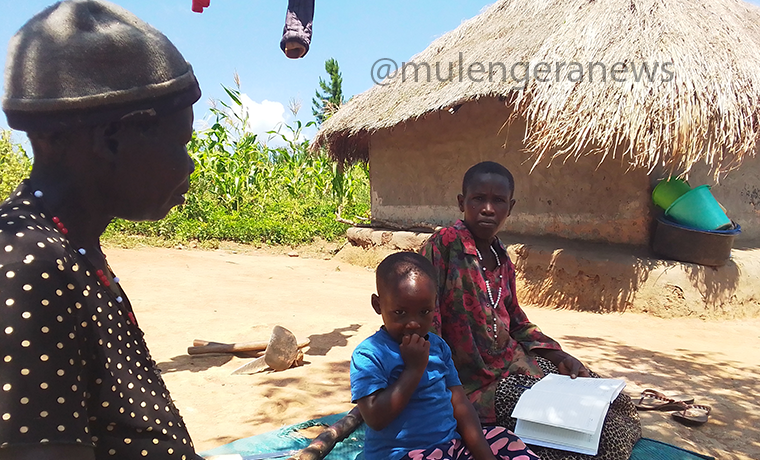
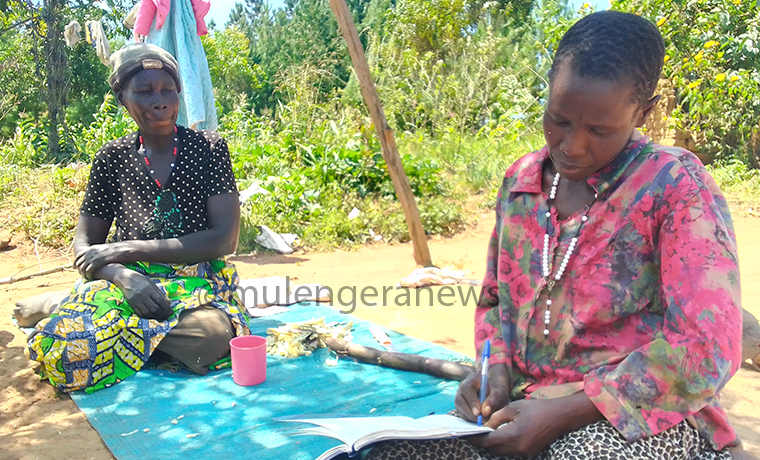
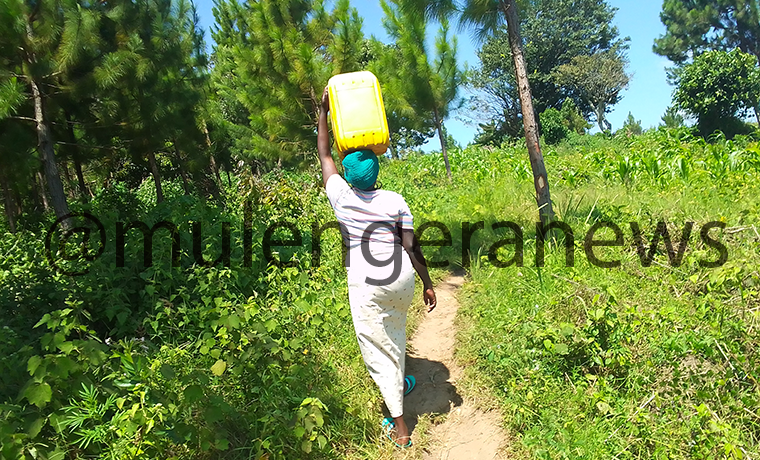
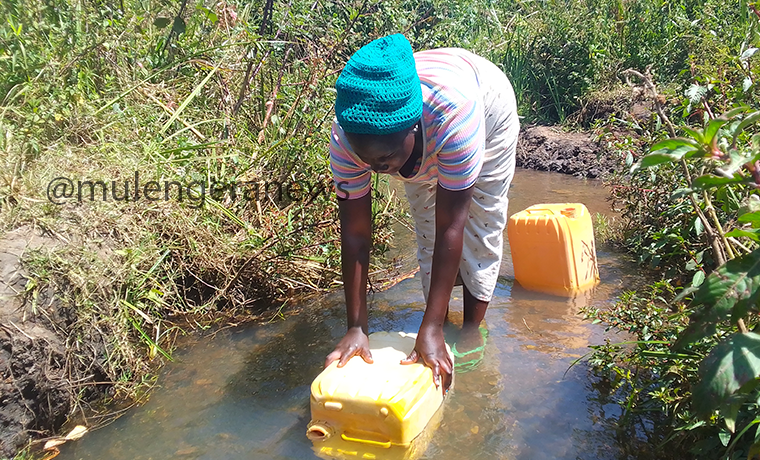
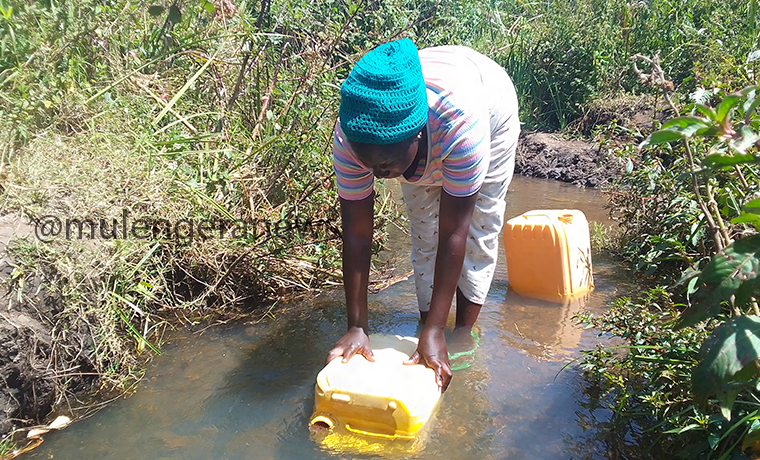
Yet, in nearby areas like Logiri Sub-County, many households continue to rely on unsafe water sources. Residents such as 23-year-old mother of two, Hellen Asibazuyo, still fetch water from Wachwachis Stream, a source shared with animals. This exposes families to waterborne diseases including typhoid, bilharzia, and diarrhea.

Her maternal aunt, 43-year-old teacher Lilian Bako, has witnessed generations struggle with these illnesses, particularly affecting children and the elderly, who are most vulnerable to the health risks posed by untreated water.

Building on the successes at Kampala Market and Ojibari, the Ministry of Water and Environment included the Adraka solar-powered water supply project as part of the same initiative. During implementation, contractors discovered that the water contained iron levels above the safe allowable limit. This required the development of a mechanism to remove excess iron, which was not part of the initial scope of work. Construction has been temporarily paused while the contractors await Ministry approval to proceed.
Project Engineer at Nexus Green, In Charge of West Nile Emmanuel Balwanyi explained that the mechanism is being designed to ensure safe water delivery before construction continues.
Local leaders have stressed the urgency of the Adraka project. Arua Chief Administrative Officer Emmanuel Soita Wamburu called for swift progress, emphasizing that communities are ready and eagerly awaiting access to clean water.


District Water Engineer Patrick Odongo noted that interventions in Agia Sub-County have increased safe water coverage from 72 to 92 percent, though overall district coverage remains at 61 percent.
Noel Muhangi, Senior Public Relations and Communication Officer at the Ministry of Water and Environment, highlighted that the successes at Kampala Market and Ojibari are just a fraction of the 450 solar-powered water supply and irrigation schemes being implemented nationwide. He emphasized that the Ministry is committed to expanding piped water access to all communities, while also supporting local government initiatives such as borehole drilling to complement national efforts.
These three projects including Adraka are part of a nationwide program user the directive of President Yoweri Museveni implemented by MWE through Nexus Green Limited, which is delivering 450 domestic water supply and irrigation schemes across Uganda. Lessons learned from Kampala Market and Ojibari are guiding solutions to technical challenges, including the iron filtration required at Adraka.
For residents like Asibazuyo and Bako, the Adraka project represents more than infrastructure—it is a lifeline. The successes at Kampala Market and Ojibari demonstrate the transformative potential of solar-powered water systems, offering hope and a tangible path toward Uganda’s goal of universal access to clean water by 2030. (For comments on this story, get back to us on 0705579994 [WhatsApp line], 0779411734 & 041 4674611 or email us at mulengeranews@gmail.com).