







By Ben Musanje
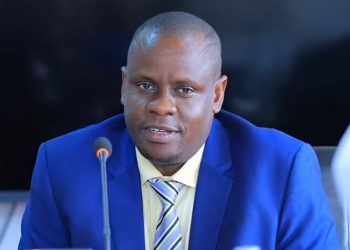
The Resident Judge of Kasese High Court, Justice Lawrence Tweyanze, has proposed a formal accreditation system for journalists covering crime scenes, arguing that specialized training and controlled access would strengthen collaboration between the media and criminal justice actors while protecting the integrity of investigations.
Justice Tweyanze, who previously served as the Resident Judge of Masaka High Court, said accredited journalists should undergo training on crime scene management, evidence preservation and legal procedures to enable them report accurately without interfering with investigations.
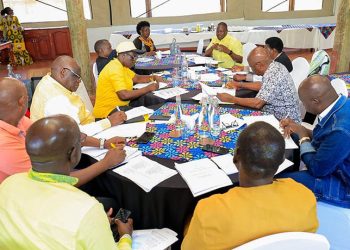
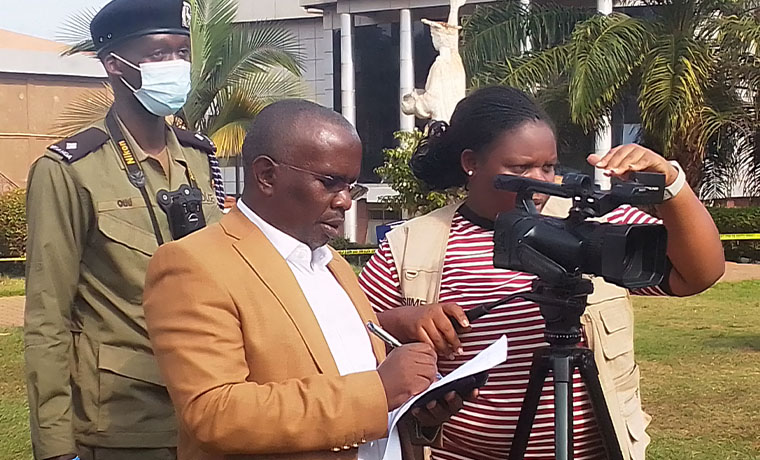
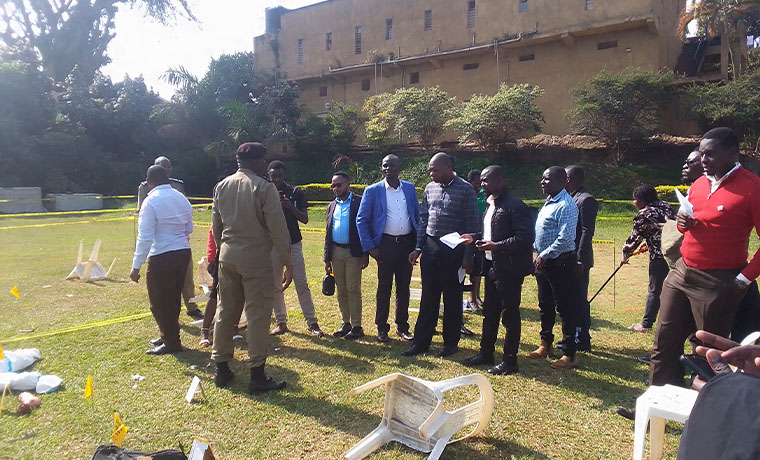
He made the proposal during a media engagement and training on responsible crime and justice reporting held at Silver Springs Hotel in Bugolobi, Kampala.

The one-day engagement was organized by the Directorate of Forensic Services of the Uganda Police Force in partnership with the GSP Secretariat, with support from the United Nations Office on Drugs and Crime (UNODC) Country Office in Uganda.

Justice Tweyanze said journalists occupy an important position in the justice system because they inform the public, promote accountability and shape public understanding of criminal matters. However, he noted that reporting from crime scenes requires a deeper appreciation of legal and investigative processes.
He said accreditation would help create a professional working relationship between journalists and law enforcement officers by ensuring that reporters accessing sensitive areas understand what is permitted and what could compromise investigations.
“Accreditation goes with training. They are not simply accrediting anybody. They are going to train you in what they want,” Justice Tweyanze told journalists.

He explained that trained journalists would become valuable partners to investigators because of their expertise in communication, photography and storytelling.
“You are better than even some of the police in journalism and photography. We want to tap into what you have picked,” he said.
The judge emphasized that police remain legally responsible for managing crime scenes, but cooperation with the media can help bridge the gap between investigations and public information.
“Whereas the police are exclusively managing the crime scene by law, there is a gap you can cover if there is very good collaboration between you and the police,” he said.
According to Justice Tweyanze, accredited journalists could be assigned designated areas at crime scenes where they can obtain accurate information and images without interfering with evidence collection.
He said the issue is not about restricting journalists but ensuring that everyone understands their role within the wider criminal justice process.
“The question is how close enough can we let you be without compromising the grand agenda of the investigation?” he said.
He warned that publishing sensitive images or information without proper consideration just like it done by most of the Tiktokers can affect court proceedings, compromise investigations and unfairly harm individuals.
The judge cited cases where publication of photographs involving suspects or witnesses can affect identification processes and other legal procedures.
“Picture of the judge is zero. Picture of the prosecutor may be okay. Picture of a witness, no,” he explained, emphasizing that journalists must understand legal boundaries.
He urged reporters to distinguish between public interest and public curiosity, noting that responsible journalism should protect both transparency and the rights of individuals involved in criminal cases.
Forensic Experts Demonstrate Why Crime Scene Access Matters
The call for specialized accreditation was reinforced by practical demonstrations from the Directorate of Forensic Services, where journalists were taken through the technical processes involved in crime scene management.
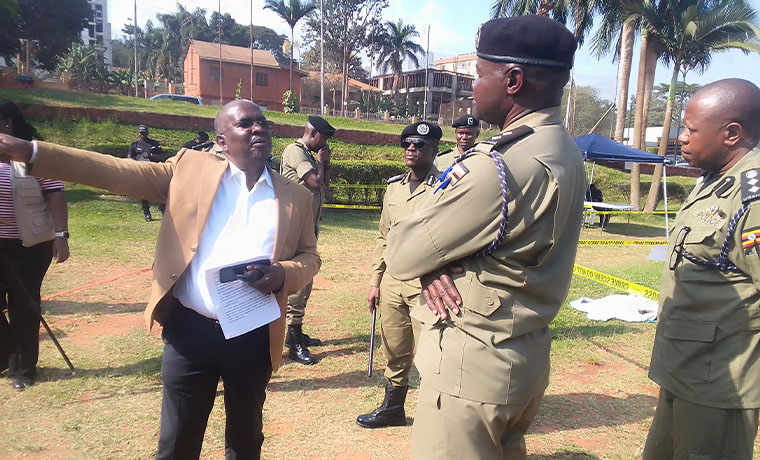
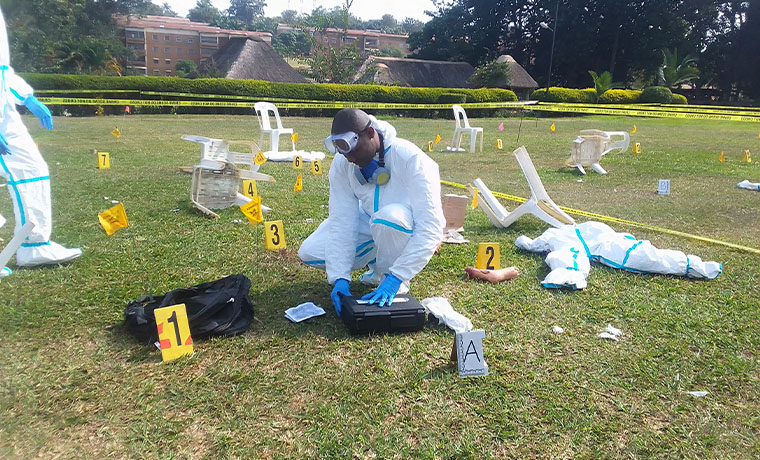
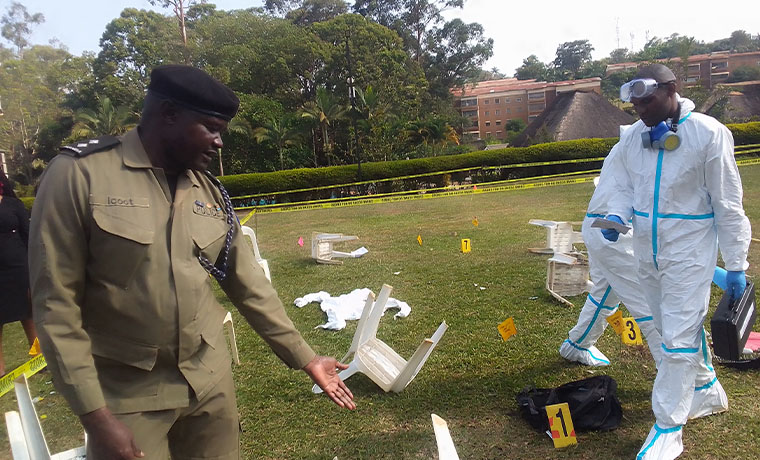
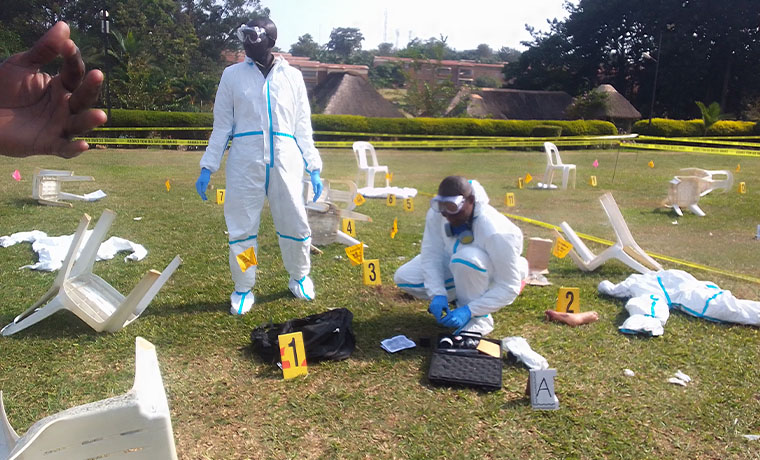
IP Robert Icoot, the Acting Head of Scenes of Crime in the Directorate of Forensic Services, guided journalists through a simulated crime scene exercise, demonstrating how investigators secure, document and process evidence.
He explained that crime scenes are carefully controlled environments where every movement matters because even minor interference can affect evidence.
“When something happens, the police is in charge,” IP Icoot explained, adding that crime scenes are managed through an incident command structure that ensures proper coordination among investigators, emergency responders and other authorized actors.
He introduced journalists to the concept of the incident command post, which serves as the coordination centre where information about the scene is managed and shared with relevant stakeholders.
According to IP Icoot, only personnel directly involved in processing evidence should access the restricted “hot zone” of a crime scene, while other stakeholders, including journalists, should operate from designated areas.
“You at least do your best. You have good cameras, you can zoom. But as you zoom, you also be mindful of what you should do and what you shouldn’t,” he told journalists.
He cautioned reporters against capturing images that could compromise investigations, particularly photographs showing the faces of suspects, witnesses or forensic officers working at the scene.
IP Icoot explained that revealing the identity of suspects before court processes are completed may affect investigations, including witness identification procedures.
“If someone has already appeared on television or print media, identification parade evidence can be affected,” he said.
He also demonstrated the use of modern forensic technology, including a 3D camera used by investigators to document crime scenes.
The equipment, he explained, enables investigators to preserve an accurate record of how a scene appeared before evidence is collected or circumstances change.
“Because we shall always want to see how did you find the scene,” he said.
IP Icoot further explained that forensic teams use strict procedures to protect evidence, including photography, sketching, packaging and maintaining entry records for everyone who accesses restricted areas.
He said evidence must never be moved before it is properly documented.
“Anything identified as evidence must never leave its location before it is fully documented,” he emphasized.
The forensic expert also took journalists through crime scene zoning, explaining that investigators divide scenes into different sections to ensure systematic searches and prevent evidence from being missed.
He demonstrated the role of evidence markers, entry logs and protective equipment used by investigators to avoid contamination.
IP Icoot said the purpose of these procedures is to ensure that evidence presented in court can withstand scrutiny and clearly show how it was collected and preserved.
Building a Professional Media-Police Partnership
Justice Tweyanze said the proposed accreditation system would help journalists become more effective partners in the criminal justice process while improving public confidence in investigations and court proceedings.
He encouraged media organizations to invest in specialized training for journalists covering crime, security and courts, saying modern reporting requires more than speed—it requires accuracy, context and understanding of legal processes.
He said responsible reporting protects victims, respects suspects’ rights and supports the work of investigators and courts.
The engagement concluded with calls for stronger cooperation between the media, police and judiciary to ensure that the public receives accurate information while the integrity of criminal investigations is maintained.
The training was part of broader efforts by the Uganda Police Force, the GSP Secretariat and UNODC to improve responsible crime reporting and strengthen collaboration between journalists and criminal justice institutions.(For comments on this story, get back to us on 0705579994 [WhatsApp line], 0779411734 & 041 4674611 or email us at mulengeranews@gmail.com).