







By Ben Musanje
African scientists and HIV advocates have called on governments across the continent to take greater ownership of HIV cure research, warning that Africa cannot afford to remain merely a testing ground for scientific breakthroughs while carrying the world’s largest HIV burden.
The call was made during the 2026 HIV Research Community Symposium, organized by HIV advocate Moses “Supercharger” Nsubuga in partnership with the Joint Clinical Research Centre (JCRC) and the Joint AIDS, TB and Malaria Association of Uganda (JABASA) and funded by the Africa HIV Cure Consortium (AHCC).
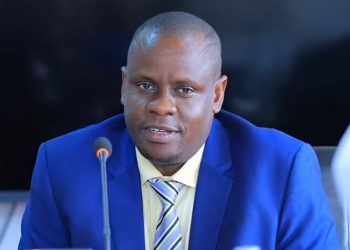
Dr. Albert Machinda, Co-Principal Investigator and Head of Secretariat of the Africa HIV Cure Consortium (AHCC), said Africa accounts for about 65 percent of people living with HIV globally, making it imperative for the continent to spearhead efforts to develop an HIV cure.

He described HIV cure research as a critical discussion for Africa, arguing that the continent’s disproportionate HIV burden should compel governments to demonstrate leadership by creating an enabling environment for scientists, communities and policymakers. According to him, governments should integrate HIV cure research into national strategic plans, strengthen research capacity and develop policies that position Africa as a leader in HIV cure science.

Dr. Machinda said policy reforms alone would not be sufficient without sustainable domestic funding. He noted that inadequate financing remains one of the greatest obstacles to advancing HIV cure research and urged governments to commit resources that would enable African researchers to drive scientific innovation.
He further argued that Africa should no longer wait for scientific breakthroughs from outside the continent but should instead position itself as an equal partner in developing future HIV cures. He said African countries should lead research initiatives, mobilize funding, strengthen scientific collaborations and actively involve communities in shaping the research agenda.
Reflecting on progress in HIV cure research, Dr. Machinda said there is reason for optimism because several people have already been cured of HIV under exceptional medical circumstances, demonstrating that a cure is scientifically possible. However, he explained that those cases remain individualized and cannot yet be applied at the population level.

He noted that researchers are making significant progress in understanding the virus, the body’s immune response and potential approaches to controlling or eliminating HIV. He expressed confidence that clinical trials evaluating new cure strategies are likely to expand in the coming years.
Despite this progress, Dr. Machinda observed that many promising HIV cure products are still being developed outside Africa. He stressed that the continent must strengthen partnerships with pharmaceutical companies, biotechnology firms and research institutions while ensuring African scientists play leading roles rather than serving only as research collaborators.
He also emphasized the importance of empowering communities to advocate for HIV cure research, arguing that informed citizens can influence governments to prioritize cure research, include it in national strategic plans and allocate adequate funding.
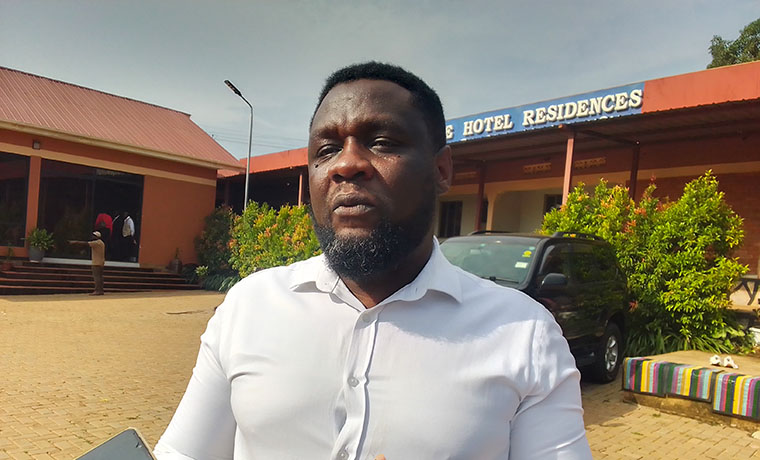
Dr. George Ssenyange, a research scientist at the Joint Clinical Research Centre (JCRC), said expanding access to antiretroviral therapy remains the most effective strategy for reducing new HIV infections while researchers continue searching for a cure.
He explained that ensuring everyone living with HIV has access to treatment and consistently takes their medication would significantly reduce transmission by suppressing the virus. Although cure strategies continue to advance, he cautioned that they may still take years before they become widely available, making adherence to treatment essential in the meantime.
Dr. Ssenyange noted that Uganda has made significant progress in rolling out antiretroviral therapy and said sustaining those efforts remains critical to controlling the epidemic while awaiting future curative therapies.
He also identified stigma as one of the major barriers preventing people from accessing HIV treatment. He argued that protecting patients’ privacy should remain a priority and expressed concern over dispensing HIV medicines alongside general outpatient services, saying such arrangements could discourage some patients from seeking treatment because of fear of stigma.
According to Dr. Ssenyange, the government should invest in confidential treatment spaces even as external donor funding declines. He maintained that uninterrupted access to treatment is essential because people whose viral load is fully suppressed are unable to transmit HIV, making treatment one of the country’s strongest prevention tools.
HIV advocate Moses “Supercharger” Nsubuga said that even if an HIV cure becomes available, Uganda would still need to sustain prevention interventions. He stressed that prevention programmes would continue to play a vital role in protecting communities and sustaining progress in the fight against HIV.
The symposium brought together researchers, healthcare professionals, advocates and community representatives to discuss the future of HIV cure research and strategies for strengthening African leadership in scientific innovation while reinforcing HIV prevention, treatment and community engagement. (For comments on this story, get back to us on 0705579994 [WhatsApp line], 0779411734 & 041 4674611 or email us at mulengeranews@gmail.com).