







By Aggrey Baba
“A hungry stomach has no ears,” they say, and for many women in Uganda’s urban settlements, hunger has become a cruel master, pushing them into desperate choices for survival.
A recent study has revealed that food insecurity, worsened by the COVID-19 pandemic, has fueled a sharp rise in HIV infections among vulnerable women.
The pandemic may be over for some, but for thousands of urban women, its scars remain. Job losses, lockdowns, and economic downturns wiped out informal jobs, leaving many with empty pockets and emptier stomachs.
With no stable income, some women turned to prostitution and long-term relationships not for love, but for survival. Others scavenged for food or engaged in risky activities, making them more vulnerable to HIV.

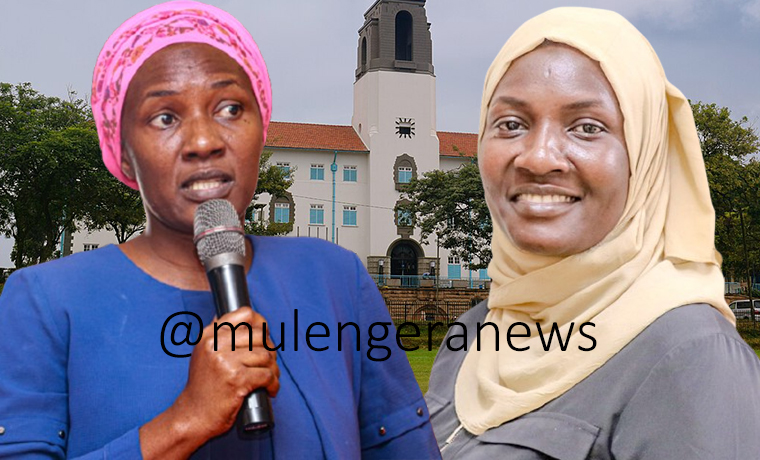
Dr. Susan Babirye, a researcher at Makerere University, explains that “Many women engaged in transactional sex because they had no other means to put food on the table. When economic hardship hits, survival becomes the priority, and safety takes a backseat.”

According to the study, conducted by Makerere University, the Uganda AIDS Commission, and Afrislum, women accounted for over 22,000 new HIV infections last year, twice as many as men. The pandemic didn’t just take jobs, but also forced many women into high-risk situations that continue to affect them long after the lockdowns ended.
“Even after five years, these women are still struggling,” Dr. Babirye adds. “While the rest of the world moves on, they remain trapped in the cycle of poverty and disease.”
The study found that nearly 20% of respondents lost their jobs, with many reporting extreme stress and loss of sexual desire due to unemployment-related anxiety. Yet, paradoxically, economic desperation pushed others into relationships that increased their HIV risk.
Uganda is struggling to meet the UNAIDS 95-95-95 targets by 2030. Despite progress, new infections remain high, with adolescent girls and young women making up 38% of new HIV cases in 2023.
Experts warn that without addressing economic hardship, Uganda may fail to curb the epidemic. Dr. Babirye urges policymakers to integrate economic empowerment programs into health initiatives.
“Health interventions must go hand in hand with financial support. We can’t fight HIV while ignoring poverty.”
Government officials, like Mondo Kyateka from the Ministry of Gender, acknowledge the need for stronger economic empowerment programs for women. NGOs such as Wise Choices for Uganda are now using the study’s findings to shape their projects, ensuring women have alternatives beyond survival sex.
“If we teach a woman how to fish, she will not need to beg for food,” says Joyce Matuka, director of Wise Choices for Uganda.
The battle against HIV is far from over, and if Uganda wants to win, it must fight hunger and poverty alongside the virus. (For comments on this story, get back to us on 0705579994 [WhatsApp line], 0779411734 & 041 4674611 or email us at mulengeranews@gmail.com).