




By Aggrey Baba
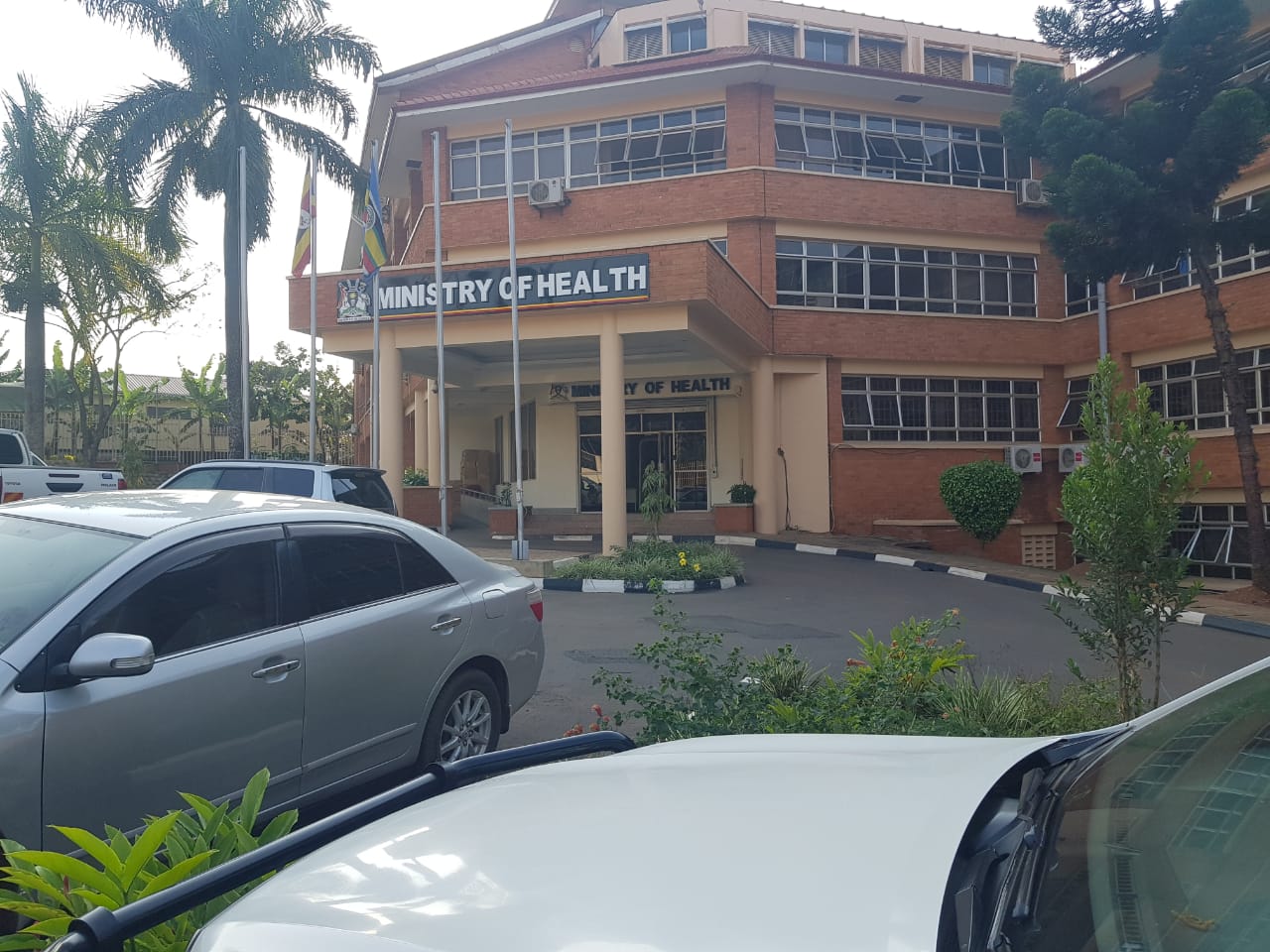
With a staggering UGX 1.776 trillion budget shortfall for the 2025/26 financial year, Uganda’s healthy sector on the brink of collapse, casting a long shadow over the future of healthcare in the country.
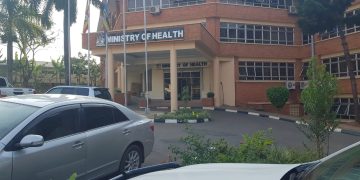
The Ministry of Health had requested UGX 3.2 trillion to fund crucial health programs, but the allocated budget is nowhere near sufficient, threatening to unravel services that are vital to the well-being of millions of citizens.
The parliamentary health committee, in its recent damning report, underscored the worrying consequences of this shortfall. A significant factor contributing to the gap is the withdrawal of funding from international donors, a situation exacerbated by previous decisions at the highest levels of leadership in the United States.
This has already created a UGX 604 billion gap in the financing of essential health programs, with critical areas like HIV/AIDS, malaria control, and tuberculosis treatment facing deep funding cuts that could leave thousands of Ugandans without the care they desperately need.
Dr. Joseph Ruyonga, the chairperson of the parliamentary health committee said, when addressing the situation, that “The impact of the withdrawal of support to health services is already taking a toll on our health budget, leaving us with a significant shortfall. Key services that are vital for the well-being of our citizens are lacking the necessary funding.” This stark warning echoes across the country, where the health system is already struggling with limited resources and underfunded services.
The lack of funding for basic services like human resource support, health information systems, and health care waste management paints a dark picture of the future.

But it’s the glaring gaps in funding for programs like HIV/AIDS (UGX 243.2 billion), malaria control (UGX 121 billion), and tuberculosis (UGX 60.2 billion) that truly signal the looming crisis.
The shortfall in resources threatens to cripple essential public health interventions, further endangering Uganda’s most vulnerable populations.
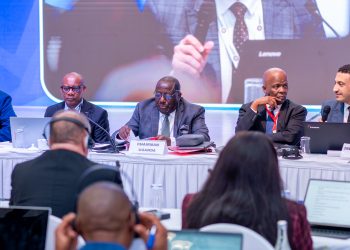
In Parliament, legislators raised sharp concerns about the illogical allocation of funds, and Deputy Speaker Thomas Tayebwa questioned the allocation of UGX 4 billion for cancer screening reagents, while no funds were set aside for the actual purchase of the cancer detection machines.
“How do you provide money for reagents for a PET machine when you haven’t budgeted for the machines themselves?” he asked, underscoring the absurdity of the situation.
The reality on the ground is just as concerning, and several ministers, including Hanifa Kawooya and Musa Ecweru, described the harrowing state of referral hospitals and the severe limitations of ambulance systems, with many health facilities unable to meet even the most basic needs of their communities.
The country’s health infrastructure is already overstretched, and this budget crisis threatens to push it past the point of no return.
In reaction, Parliament has urged Hon. Kasaija’s ministry to address the glaring inconsistencies in health budget allocations. The call for a more strategic and focused approach to health funding has never been more urgent.
Without an immediate and comprehensive reallocation of resources, Uganda risks a full-blown healthcare crisis, where the most vulnerable will bear The brunt of a system unable to provide even the most basic services.
The window for corrective action is closing, and without swift intervention, Uganda’s health sector could face an irreversible decline, leaving millions of citizens without the life-saving care they need. (For comments on this story, get back to us on 0705579994 [WhatsApp line], 0779411734 & 041 4674611 or email us at mulengeranews@gmail.com).