





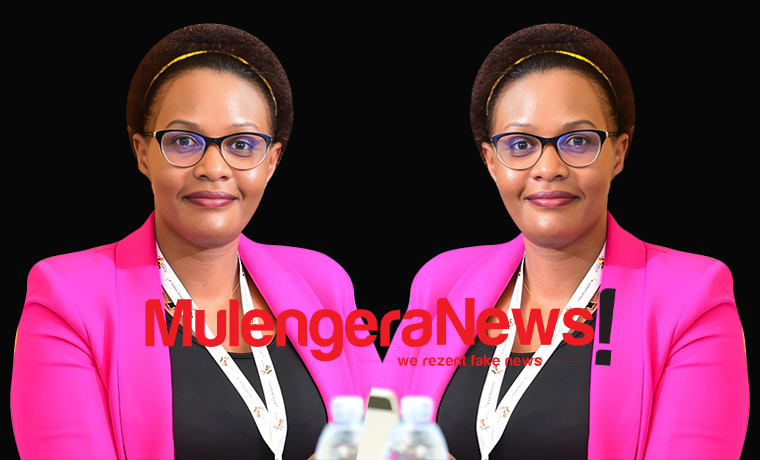
By Emma Belinda Were
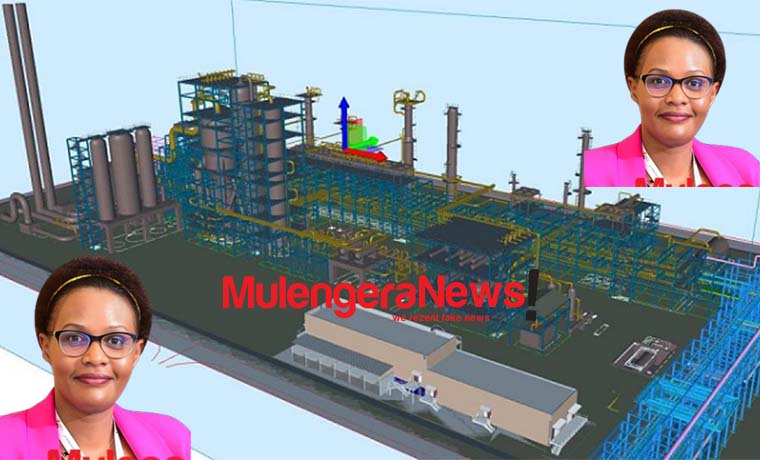
There are moments when an infrastructure project becomes bigger than concrete, steel and machinery from which it is built. The groundbreaking ceremony of the Dangote East African Petroleum Refinery in Lamu, Kenya is one such moment. With a planned capacity of 700,000 barrels of crude oil per day, the refinery represents not merely an investment in petroleum, but a potentially transformative step in Africa’s long-standing quest to add value to its resource and build a more integrated continental economy.
The ceremony attracted several African leaders, including President Kaguta Museveni of Uganda, the host H.E. William Ruto, H.E. Romuald Wadagni, President of the Republic of Benin, Jean-Lucien Kwassi Lanyo Savi de Tové of Togo and the Prime Minister of Federal Republic of Ethiopia, Abiy Ahmed Ali. Other notable dignitaries included the former president of Nigeria H.E. Olusegun Obasanjo and other high-profile guests representing African governments. In Lamu, the presidents and other dignitaries inspected construction machinery for the anticipated construction of the refinery.
The $16Bn investment will establish Lamu as a major energy and industrial hub in East Africa and once complete, this refinery is expected to supply refined petroleum products to East Africa, reducing reliance on imported fuel.

This ceremony comes days after President Museveni’s 82nd birthday, where he used his birthday message to renew his call for Africans to pursue what he described as three, unfinished historical missions, which are prosperity through an integrated Africa common market, strategic security through political integration and greater African Unity. His presence in Lamu, after his appeal for deeper economic and political integration, consequently carries a message beyond the ceremony itself.

Speaking at the ceremony, the President of Kenya, H.E. William Ruto, commended Museveni for being visionary. “I want to thank our father President Museveni, when we sat in that room with Aliko Dangote. It is your wisdom, encouragement and belief in our East Africa that brought us this far. Mzee, we don’t take your vision for granted,” Ruto said.
The project that is expected to take three years to complete, is expected to supply refined petroleum products to Kenya and neighboring markets including Uganda, Ethiopia, Tanzania, South Sudan, Rwanda, Burundi and the Democratic Republic of Congo. Its regional significance is, therefore, greater than the boundaries of Kenya. It speaks directly to the idea of an East African market in which infrastructure, capital, raw materials, jobs and consumers are connected across national borders.
As Uganda we are developing our petroleum resource, and government has invested heavily in infrastructure intended to move crude to international markets. Though Uganda is building a smaller refinery in Hoima, a major regional refining facility creates another dimension to our petroleum story.

In his speech, H.E. Museveni was grateful to be alive to witness the betrayal of Africa coming to an end. “I am happy to be alive and see the betrayal of Africa, which has been going on for the last 70 years coming to an end. Africa has been betrayed by leaders who have failed to study how a country can be developed,” he said.
Museveni went ahead to highlight how much Africa has been losing through exporting raw materials and why he advocates for value addition.
Like Museveni, Aliko Dangote also re-echoed President Museveni’s concerns about exporting our raw resource. “For too long our continent has been rich in resource, but poor in value creation and addition. We have exported crude oil and imported refined products; we have exported agricultural commodities and imported processed foods. I have been a firm believer that such a practice only leads to exporting our jobs and only importing poverty into our nations,” he said.
Dangote went ahead to assure the leaders present that Africa can build on a global scale and he brings his experience from Lekki to Lamu, not to replicate but rather take lessons learnt and build something bigger and better.
The Lamu refinery carries powerful African ownership. Dangote is extending his industrial footprint and has described the project as an African-led investment and regional governments have been offered a combined 30% stake in the project, creating jobs and support industries including petrochemical and bitumen.
It is important to note that individual countries often have smaller domestic markets, the reason President Museveni has often linked faster EAC integration with improved trade cooperation, infrastructure and other measures aimed at expanding regional economic opportunities.
What we witnessed in Lamu yesterday is the Africa that Pan-Africanism can make possible. African resources serving Africa and African businesses serving Africans. This refinery could become a symbol of an Africa moving from exporting raw materials to creating value, from fragmented markets to connected and from talking integration to building infrastructure that makes integration real.
This could be the most fitting context in which President Museveni could mark his eighty-second year, standing at the beginning of a project, whose very logic demonstrates the argument he has spent decades making. Africa’s prosperity is inseparable from Africa’s ability to integrate. Seen through the lenses, a refinery of Lamu’s scale could help change the equation in East Africa and is a great illustration on why African integration matters. The writer works with Uganda Media Centre. (For comments on this story, get back to us on 0705579994 [WhatsApp line], 0779411734 & 041 4674611 or email us at mulengeranews@gmail.com).