








By Ben Musanje
Relief has finally swept through communities in Kamwenge District after a giant stray elephant that had caused months of fear and destruction was captured and moved to safety in Kibale National Park.
The operation, carried out by the Uganda Wildlife Authority, brought an end to a tense situation that had left residents of Bukatu Village in Mpanga Parish living in constant fear for over five months.
The male elephant, weighing a massive 3,496 kilograms and believed to be about 20 years old, had been roaming freely in villages after straying from the national park in September 2025. During that time, it repeatedly invaded farms, destroying crops such as maize, bananas, cassava, pumpkins, and watermelons — key sources of food and income for local families.

Its presence sparked panic across several areas, including Nyabishekye Village, Mbuka II near River Mpanga, and parts of Kahunge Sub-county. Many residents were too afraid to move at night, fearing a deadly encounter with the huge animal.

After repeated cries for help from the community, UWA stepped in to handle what turned into a difficult and risky mission.
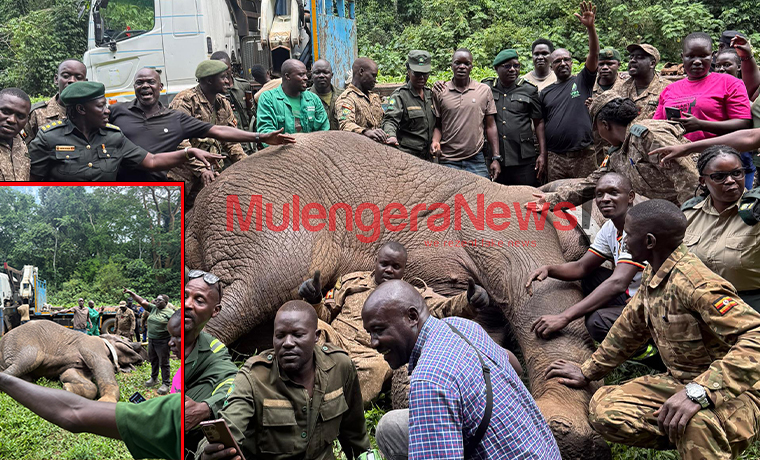
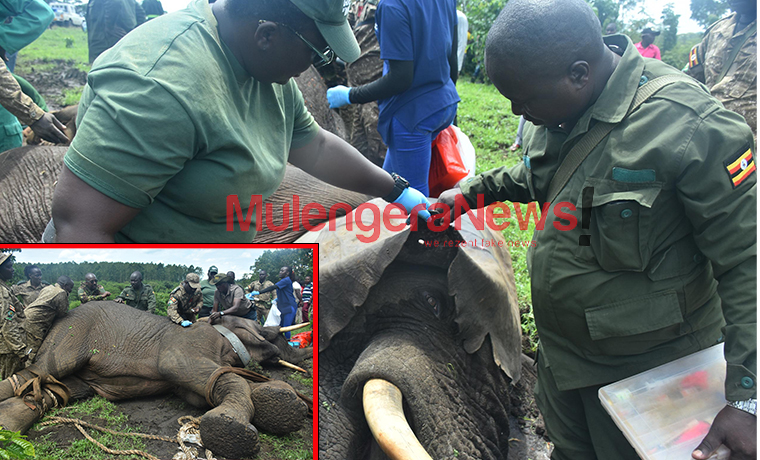
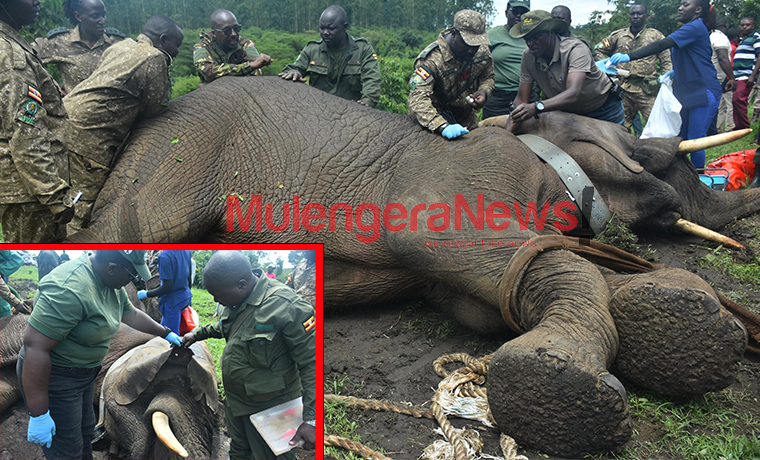
A skilled team of veterinary doctors led by Dr Victor Musiime, together with rangers and human-wildlife conflict experts, worked around the clock to track and control the elephant. The operation was far from easy. It took three sleepless nights of careful planning and dangerous tracking before the team could finally act.
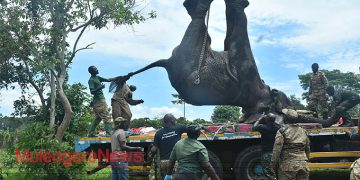
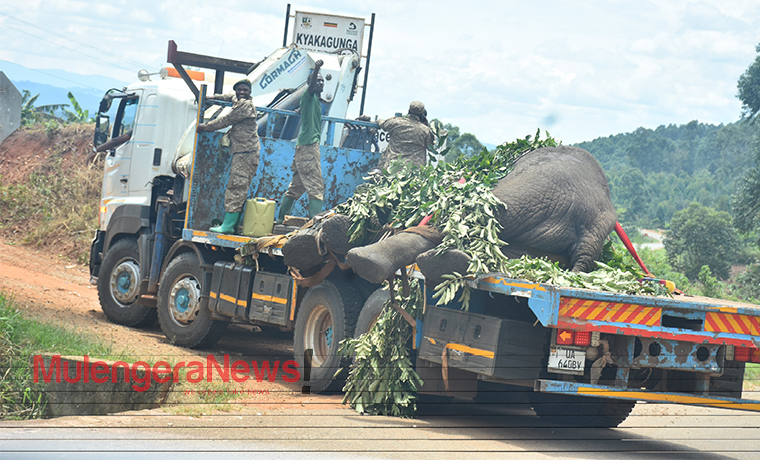
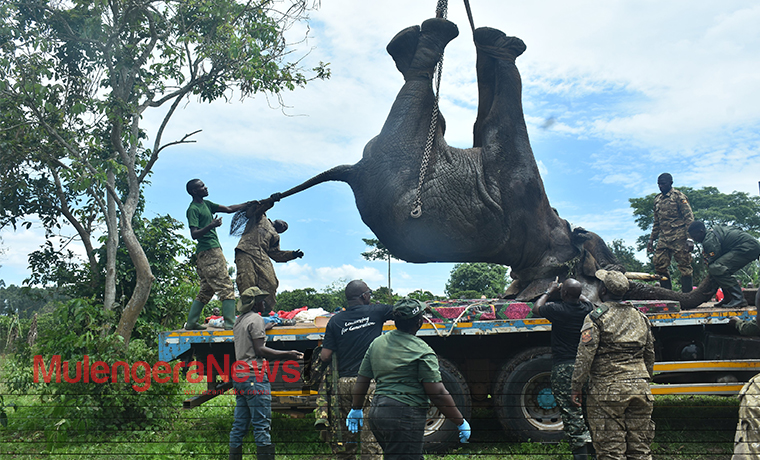
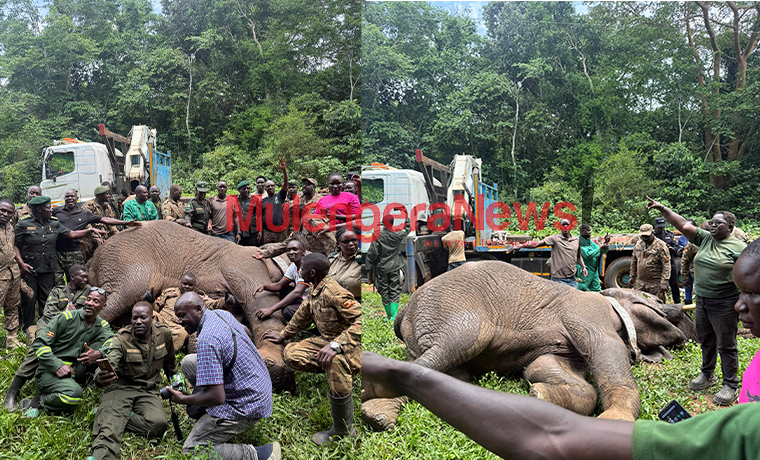
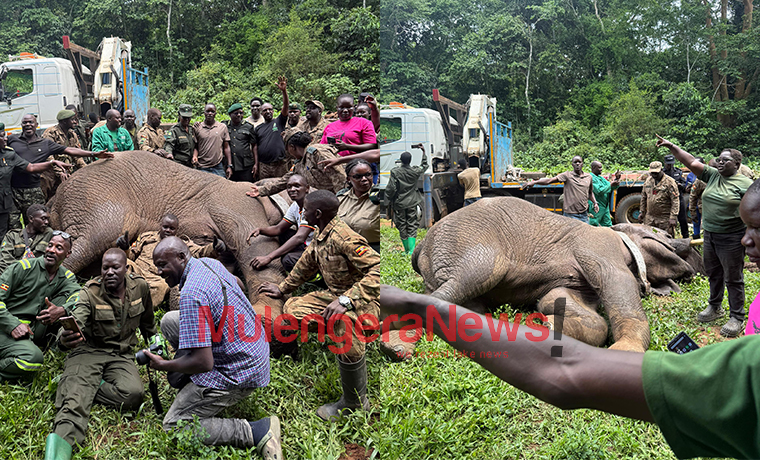
In a dramatic moment, the elephant was safely darted and sedated. The entire process, from bringing it down to transporting and releasing it, took more than four hours. Despite the risks, the team managed to complete the mission without harm to people or the animal.

The elephant was then moved to Mainaro in Dura Sub-county within Kibale National Park, where it now has space to live safely away from human settlements.
According to the Chief Warden of Kibale National Park, John Justice Tibesigwa, the job does not end with relocation. He warned that elephants are highly intelligent and can find their way back to places they once roamed.
To prevent this, the animal has been fitted with a GPS tracking collar. This technology will allow wildlife teams to monitor its movements closely and act quickly if it attempts to return to the villages.
The successful capture has been described as a major win for both community safety and wildlife conservation. UWA says the operation shows the importance of quick response and teamwork when dealing with dangerous human-wildlife conflicts.
For residents, the relief is overwhelming.
Local leader Selestini Ngabirano said the elephant had brought fear into the community, with many people living in constant worry and unable to carry out normal activities, especially at night. He thanked UWA for listening to their concerns and taking action to protect lives.
The long presence of the elephant had also raised fears of food shortages, as farms were repeatedly destroyed, leaving families struggling.
Now, with the animal safely back in the wild and under close watch, calm is slowly returning to the affected areas. Farmers are beginning to rebuild, and residents are regaining confidence to move freely again.
Even so, the incident has highlighted the ongoing challenge of human-wildlife conflict in Uganda, where growing communities continue to meet wild habitats. Authorities say they will remain alert and continue using modern technology like GPS tracking to prevent similar situations in the future.
For now, one thing is clear — a months-long nightmare has ended, and a frightened community can finally breathe again. (For comments on this story, get back to us on 0705579994 [WhatsApp line], 0779411734 & 041 4674611 or email us at mulengeranews@gmail.com).